

Microlearning apps for the classroom in 2025
by
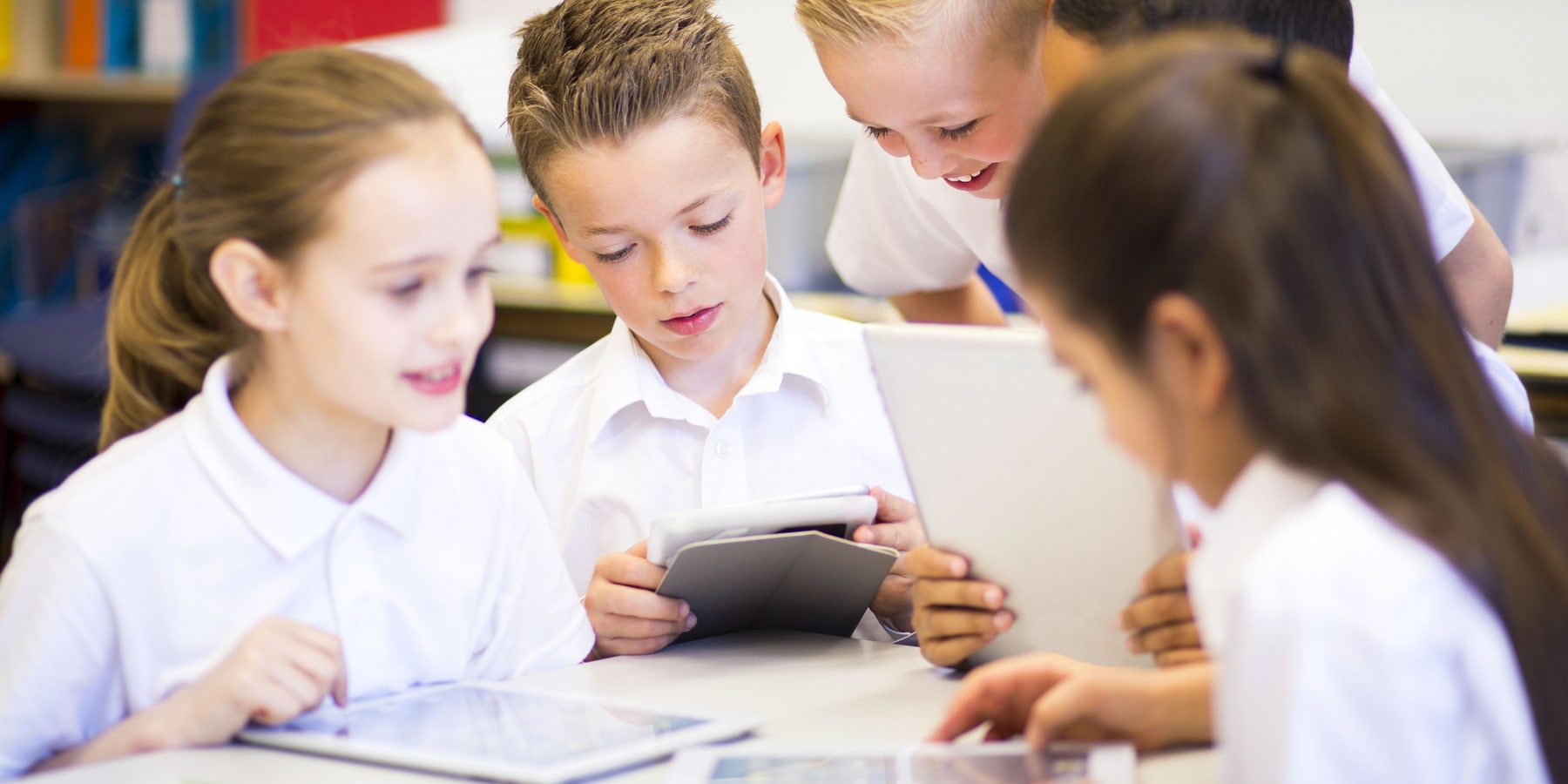
Great things come in small packages! Discover the tools to integrate microlearning in your classroom, and boost student engagement and performance.
Great things come in small packages – and many educators are adopting the ‘microlearning’ approach to teaching. Microlearning means breaking down concepts into chunks, and delivering them through short bursts of time. The idea is to improve students’ focus and reduce overwhelm.
Studies show that microlearning can positively affect knowledge acquisition, information retention, and critical thinking. The approach also helps students with short attention spans, or diverse learning needs.
Digital tools often go hand-in-hand with microlearning, because they can engage students quickly and deeply, delivering granular content in an interactive way, and supporting the fast and focused nature of microlearning.
Below we’ve put together a list of our favourite free microlearning apps in 2025, to maximise your students’ progress in little steps.
Benefits of microlearning
Microlearning has many advantages for both students and educators. It’s also an opportunity to bring dynamic, creative digital tools and platforms into the classroom. Some of the main benefits of microlearning include:
- Reducing cognitive overload among students
- Boosting information retention through repetition and bite-sized content
- Lowering screen fatigue by limiting exposure time without lowering learning value
- Flexible formats to personalise to students’ needs (i.e. time, location, type of work)
- Increasing motivation and self-efficacy among students
- Higher task completion rates compared to traditional teaching methods
- Learners can consume information at their own pace
The Assistant Dean of Digital Learning at NYU Tandon School of Engineering has even said that he sees “microlearning as being an approach to almost every part of continuous learning”.
Microlearning is also popular in workplaces to train employees and upskill staff. Close to 80% of organisations report using microlearning as part of their professional development strategies. So, it makes sense for young students to become familiar with microlearning so they’ll be confident when using it as a way of learning and developing their careers in the future.
Best microlearning apps for schools
Lightbot
Lightbot is a puzzle game that’s based on coding. It teaches young people programming logic as they play, including concepts like sequencing, overloading, procedures, recursive loops, and conditionals.
Users control a robot by dragging different commands (move forward, turn left etc.) into a sequence for the robot to follow. The more commands they add, the longer, and the more dynamic the robot’s movements are. The goal is to reach a blue coloured square in the robot’s path. Once users get there, they progress onto the next level, with the blue square becoming more complicated to reach.
The platform was designed by first-time coders who understand how to break down coding principles into small, easy-to-remember steps. The platform is used by tens of thousands of teachers around the world, and more than 20 million young people.
Power Maths
Power Maths comprises digital resources for students in Years 1 to 6 to nurture their confidence in maths. The resources are from Pearson International Schools, developed with White Rose Maths, and have been recently updated based on teacher’s feedback.
Power Maths is microlearning for both students and teachers. Your students can access e-textbooks and individual practice games to strengthen their maths knowledge. Meanwhile, you can use interactive teaching tools and lesson starters to deliver interesting maths tasks in easy-to-swallow chunks.
The package also has built-in assessments and tests, written by expert authors. You can therefore track your students’ results against age-related expectations and confirm that their microlearning has a macro outcome!
BBC Bitesize
BBC Bitesize has a host of targeted lessons and activities that align with the UK school curriculum for primary and secondary education. The platform is packed with videos, quizzes, and games that cover a range of subjects. Each lesson is typically 10 to 20 minutes long, and blends visual explanations with hands-on activities for students.
BBC Bitesize is effective at chunking segments together, so students don’t feel overwhelmed. It also has clear learning outcomes for each lesson, and has immediate practice opportunities for students to reinforce their understanding.
In a geography class, rather than covering all weather patterns and climate systems, you could ask students to follow the BBC Bitesize water cycle lesson. Here, they watch an animated video explaining evaporation from oceans and lakes, then they complete the interactive drag-and-drop activity labelling water cycle stages, and lastly they take a quiz testing their knowledge of vocabulary like evaporation, condensation, and precipitation. After, with this microlearning foundation, you can do a relevant science experiment together in person.
Nearpod
Nearpod is a presentation platform that teachers use for collaborative activities with students. With the tool, you share virtual presentations with features like polls and drawing boards to turn passive learning into dynamic student learning. Presentations can be short and powerful, to optimise microlearning and ensure you keep your students’ interest.
For example, in a maths class, you could build a presentation looking at adding fractions with the same denominator. The presentation could include:
- A video showing slices from different pizzas being added (e.g. 2/8 + 5/8)
- A drawing board where the teacher shows the process of adding fractions
- A class board where students demonstrate how they use the adding method
- A final poll asking how confident students feel completing fraction additions
Nearpod is particularly useful for teachers who want to carry out microlearning while maintaining the classroom community.
Bug Club
Bug Club is a reading programme from Pearson International Schools that fosters motivation among young readers. It has a vast online reading world for students to explore, ranging from fiction, non fiction and poetry.
In manageable steps, students can advance through different reading levels, giving them a sense of achievement while also defining a love of reading for leisure. The platform also has gamified elements to keep students engaged – quizzes, games, and rewards ensure that students are recognised for their incremental progress.
For students and educators who enjoy blended learning, there are physical books and reading materials that can be used in tandem with the digital Bug Club elements. As a result, students get familiar with microlearning both on a screen and right in their hands!
Microlearning with macro results
Microlearning is a smart response to modern classroom needs. Students’ attention spans are getting shorter, meanwhile tech literacy is becoming more important. With the right apps and intentional learning strategies for those apps, microlearning enhances students’ concentration, academic performance, and gives students more autonomy in education.
Not to mention, along the way, they get to have fun!
Further reading
Looking to load up more tech in the classroom? Read Active and passive screentime: How to prepare students for a digital world, An AI evaluation: What is and isn’t (yet) working in schools, and How to use AI to fuel students’ imaginations.

Grace Brennan
Grace Brennan is a journalist specialising in educational content, focused on current trends in education, innovative classroom practices, and strategies for engaging students in learning.