

Tools and tips to make the best classroom displays
by
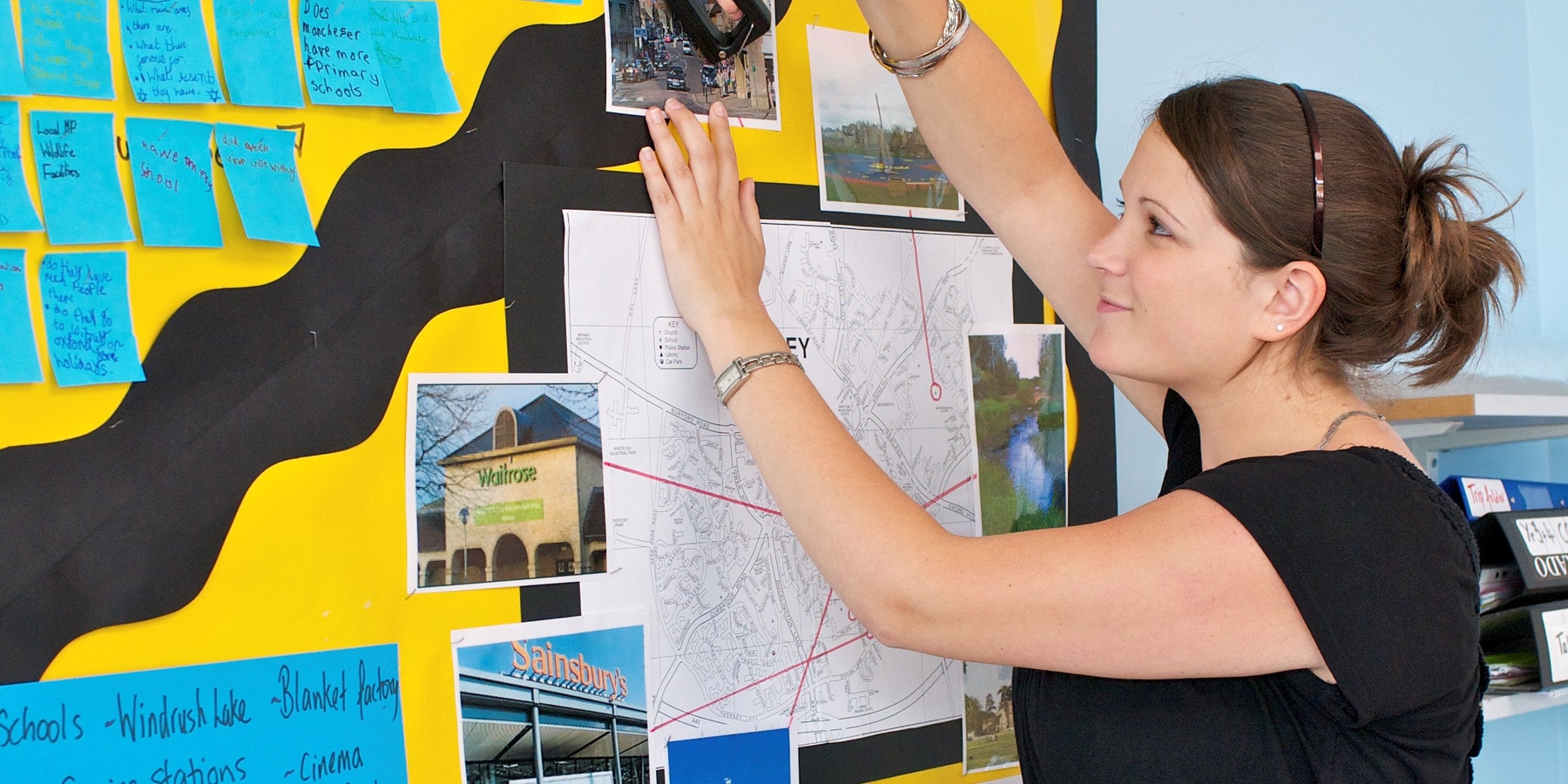
Make your classroom environment as creative as your students' minds! Follow these tips to make the best classroom displays.
Students and teachers spend the best part of each day in school. So, it’s important to create an environment that is stimulating without being overwhelming.
A well-designed physical space has a big impact on how both teachers and students engage with learning topics, as well as their motivation, and sense of belonging. Research shows that pleasant classroom aesthetics can inspire students to attend school enthusiastically and achieve academic success. Meanwhile, the school setting can affect teachers’ comfort levels, productivity and job satisfaction.
Everyone needs a healthy, happy environment in which to learn. Below, we’ve put together tips to make the best classroom displays, and ensure that your classroom inspires your students to do their best work!
Interactive learning walls
Classroom displays shouldn’t be stagnant. So, how can you make them into design features that students will interact with?
‘Question of the week’ could be a feature where you encourage students to think and engage with the display. Each week, you post an open-ended question on the board, and ask students to give their answers (in their own time) directly on the board. Your questions could be things like: ‘Can a character be both a hero and a villain?’, or ‘What would happen if gravity suddenly disappeared?’.
Try to use colourful and clear letters for the question, which should be positioned in the middle of the board. Then provide a box and a selection of sticky letters or post-it notes for students to write their responses on and attach to the board.
At the end of the week, set aside time to read through the answers as a class. A fun game could be to guess who wrote which response based on their opinion. This interaction with the display fosters classroom discussion, and prompts deeper thinking among students even when they’re not in a curated lesson. It also allows quieter students to share their thoughts in a low-pressure way.
Over time, the display board becomes a visual archive of student ideas, showcasing their personalities, intelligence, and curiosity.
Work spotlight
Showcasing your students’ work is a simple, yet powerful way to celebrate them and create a fun classroom display. For the biggest impact, spotlighting should be intentional and inclusive.
Start by giving the display a special title. For example, ‘Work we’re proud of’, or ‘Stars of the week’. Then, share snippets or full versions of students’ projects, with their names and picture (or something they feel comfortable representing them) next to it. Include a variety of works, from writing to art, maths tests to sports achievements.
You can deepen the personalisation by asking the students being celebrated to write a reflection or caption about their work. ‘I liked, I loved, I learned’ is a good template to get students’ feedback about what they enjoyed, what they felt most passionate about, and what their takeaway was during the work.
This kind of display gives students an incentive to produce excellent work, and it normalises the idea that everyone is capable of producing quality work.
Get more ideas to spur your students’ creativity.
Student voices and choices
The best way to engage students with your classroom displays is to let them have a say in it! You could designate a ‘student picks’ section of the display, where students contribute their favourite quotes, books, music or suggestions about things they want to learn. Alternatively, this section could focus on a topic that your students feel passionate about, like sustainability or whether school uniforms should be compulsory.
Add whiteboards to the display for students to write their opinions and recommendations. Depending on your budget, you could also set up a small film projection to run on the display, showing interviews with students, or showing videos that students have recorded about the theme. This gives the display a more dynamic design and quite literally puts students in the display.
You might also want to send out a survey at the beginning of the school year, asking students what kind of visuals help them engage with, and retain, information. Ask about trends or shows that they enjoy, to give you inspiration for colours, characters, and terminology to include in the display.
While the physical displays are important, this approach is more about making students feel included and respected. When they recognise that their voices influence the space where they learn, they take greater pride and ownership of their education.
Curriculum-themed corners
Your classroom displays can be an opportunity to bring textbooks to life. By allocating corners of the classroom to different parts of the curriculum, you give students a hands-on area to deepen their understanding.
Start with ‘Science investigation stations’, where you invite students to don their scientist hats. For example, you could put up a poster breaking down how magnets work. You could then have a basket of items attached to the display, and students have to guess if they’re magnetic or not. They could write their answers on a table on the display, and at the end of week, you can review together as a class.
A reading nook is another cool curriculum-themed display corner. Here, students can sit on beanbags and select from the classroom book display. They can then pin vocabulary cards to a shared board to tell others about new words they learned whilst reading. Or, students could write their own collective story, with each person adding a sentence to the board every time they visit, leading to a mixture of literary adventures and perspectives.
Learn more about setting up individual classroom libraries and reading nooks.
In another corner, make a timeline of key events from a particular age or group of people (e.g. the Tudors). You can use string and pegs, and print out photos or ask students to draw their interpretations of events to hang on the timeline. As you move through the curriculum, have students add more materials, to better make sense of how things unfolded. At the end of the term, you could take down all the items from the timeline and ask students to reapply them in full, testing their memory and comprehension of different events’ catalysts.
More than decoration
A great classroom display is more than decoration – it’s a learning tool and a doorway for your students to feel included. By spending time researching what your students resonate with, and baking that into your displays, you can customise your classroom and boost productivity.
Ultimately, more diverse displays help your students settle into learning every day, and allow you to tap into your creative streak!
Further reading
Discover more ways to add interest to your classroom. Learn about the impact of colour, lighting and a flexible layout in creating a stimulating class environment and find out how to bring nature into the classroom with greenhouse techniques.

Grace Brennan
Grace Brennan is a journalist specialising in educational content, focused on current trends in education, innovative classroom practices, and strategies for engaging students in learning.