

Tackling the loneliness epidemic: How to encourage young people to socialise
by
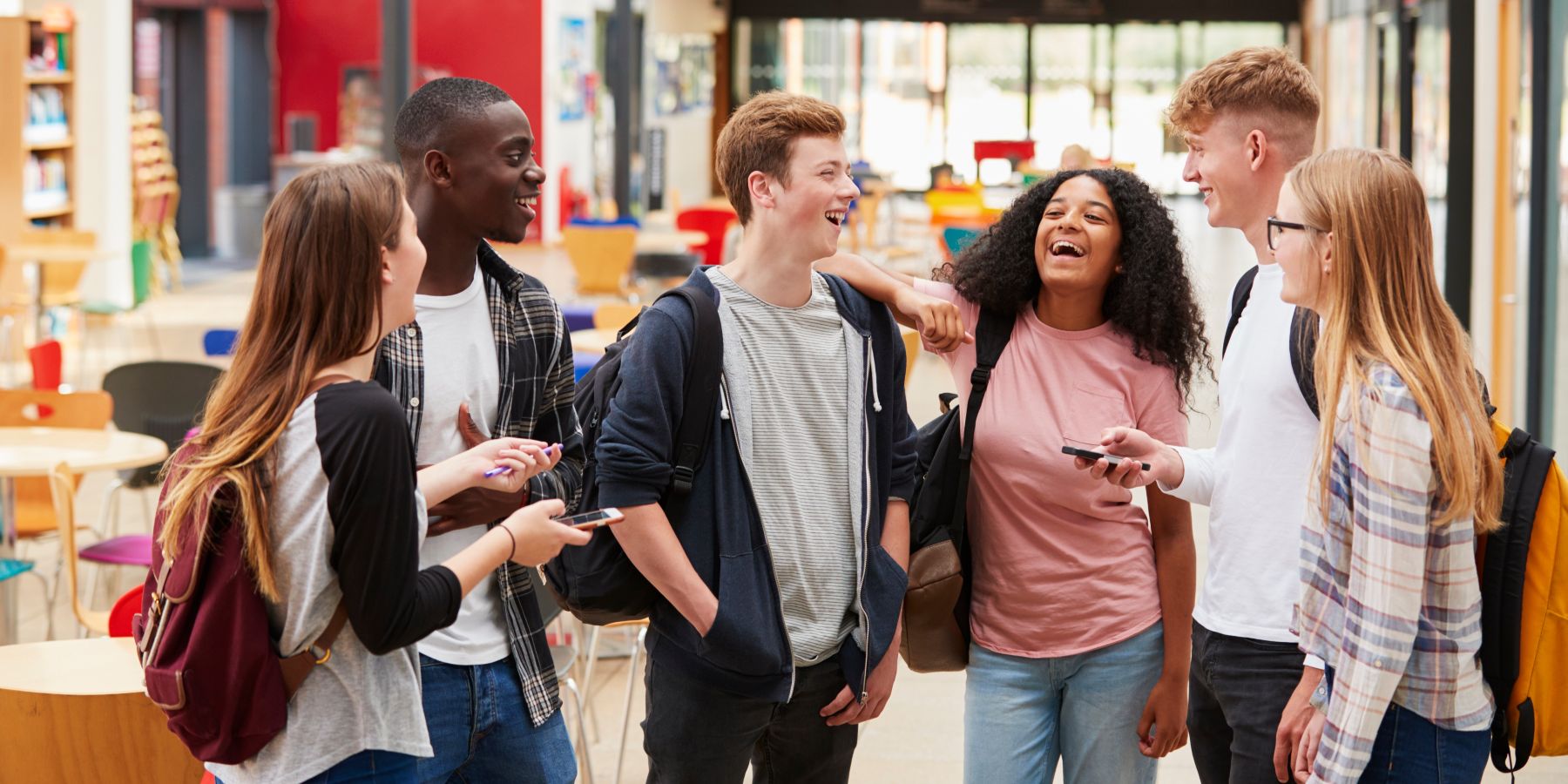
Discover how your school can help tackle the loneliness epidemic by creating supportive environments that build connection and belonging among students.
The phrase ‘loneliness epidemic' has been circulating more and more lately. Loneliness affects people of all ages, but it’s young people who seem to be struggling the most right now. People aged between 16-29 are over two times more likely to report feeling lonely often or always, compared to people over 70.
There are plenty of reasons for the epidemic. Young people have faced huge social and technological shifts, and at school, they have to deal with academic pressure. Not to mention, the COVID-19 pandemic physically separated many young people from their social groups, and has had a lasting negative impact on friendship- and confidence-building.
Tackling the loneliness epidemic means creating spaces where students feel seen, supported and connected. Schools can play a huge role in helping young people learn how to deal with loneliness and create lasting relationships – both in and outside the classroom.
Foster connection in daily practices
Preventing youth loneliness starts with the everyday routines and interactions that shape classroom life. Simple, consistent practices can make a big difference.
1. Create regular opportunities for sharing
Weekly activities such as check-in circles, peer appreciation moments or short sessions where students share interests can help them see each other as individuals, not just classmates. Even five minutes at the start or end of a lesson can strengthen relationships and build empathy within the group.
2. Be strategic with seating and grouping
It’s easy for social cliques to form, especially during adolescence. Thoughtful seating plans and rotating groups can help mix friendships and ensure that no-one is left out. Pair quieter students with welcoming peers to encourage new connections and break down barriers.
3. Teach communication and empathy explicitly
While some students develop social and emotional skills naturally, others need more direct guidance. Building communication, active listening, empathy and conflict resolution into lessons gives students essential life skills to connect with others.
4. Make space for fun and informal interaction
Not every moment in school needs to be academic. Scheduling in light-hearted activities helps students relax, collaborate and interact with classmates they might not usually talk to. When students laugh and play together, they’re more likely to feel part of a community.
Create community beyond classrooms
While the classroom is a key space for building connection, students also need opportunities to form relationships beyond this setting. Schools that encourage a rich social life help students find belonging outside of their academic success.
1. Offer a range of clubs and activities
A varied mix of extracurricular options allows students to connect through shared interests and discover new passions. Academic, creative and athletic clubs all appeal to different personalities and talents, and so give everyone a chance to find ‘their people’ and feel part of something bigger.
2. Keep participation accessible and welcoming
To genuinely tackle the loneliness epidemic, your activities have to be inclusive. Avoid auditions or trials – instead, emphasise participation, teamwork and enjoyment over competition. This approach takes pressure or self-consciousness out of the picture, and encourages hesitant students to take part.
3. Build structured peer support
Introduce buddy systems, cross-age mentoring or peer support networks to create bridges between social groups. Your older students can model positive relationships and offer reassurance to younger ones, and students who struggle socially can get guidance from someone in their context who understands the school environment.
4. Give students ownership
Empowering students to create their own clubs or social groups gives them a voice in shaping their community. When activities reflect what young people truly care about – from film and debate clubs to sustainability projects – they can view their participation as a sense of purpose. They’re therefore more likely to develop self-esteem and bond with others who share that purpose.
Make shared spaces and unstructured time
Much of school life happens in the corridors, canteens and playgrounds, where students navigate friendships and social norms. These unstructured moments can build community or deepen isolation, so it’s essential to shape them carefully.
1. Create welcoming common spaces
Physical spaces influence how students interact. Comfortable seating, quiet conversation corners or inviting outdoor spots allow your students to linger and chat. Simple touches like movable seating can transform impersonal areas into social hubs too.
2. Support positive use of break time
Completely unstructured social time can be overwhelming for some students. Try to offer low-pressure activities during breaks, such as games, art stations or music sessions, for students to join in and connect without feeling forced.
3. Notice and respond with empathy
Teachers and support staff can recognise the subtle signs of social isolation – students who consistently eat alone or spend breaks on the edge of the group. Discuss these observations with your colleagues and come up with gentle gestures to include students. This could include pairing a student with a friendly peer or inviting the student to help with a group task.
Encourage socialising outside of school hours
Building connections doesn’t stop when the school bell rings. Relationships and activities after school are just as important for combatting youth loneliness. Here’s how to link your students with opportunities that extend their social worlds.
1. Connect with the wider community
Encourage students to take part in youth groups, sports clubs or volunteer organisations to build friendships based on shared interests and values. They can also nurture connections that aren’t tied to their school peers.
2. Talk about healthy online socialising
Today’s young people socialise both on and offline. Rather than discouraging digital interaction completely, discuss how to use online platforms to enhance (not replace) in-person friendships. Helping students set boundaries and recognise when online time feels draining supports healthier habits.
3. Encourage family connection
Family routines can be a powerful buffer against loneliness. Talk to students about the importance of families spending time together. Whether shared meals, walks or inviting friends over – these activities help young people maintain stable, supportive relationships at home.
Not only does family time reduce loneliness, research shows that open family communication minimises negative effects on wellbeing that can come from excessive phone or computer use.
An opportunity to come together
The loneliness epidemic is complex and deep. To address it requires an intentional and a collective effort from everyone in the school community. It’s not about a one-off activity or a wellbeing week – change will come from creating environments where connection is part of the everyday rhythm of school life.
Schools are a place where young people regularly come together. Teaching students how to connect – with others, their communities and with themselves – is just as important as any academic goal. When schools prioritise connection and compassion, we help young people establish the relationships and skills they need to have happier, healthier lives.
Further reading
Find more strategies to support students’ wellbeing. Read World Mental Health Day 2024: How to talk to students about feelings and wellbeing, Happy classrooms: what teachers can learn from the world’s happiest children and How to support students with anxiety.

Grace Brennan
Grace Brennan is a journalist specialising in educational content, focused on current trends in education, innovative classroom practices, and strategies for engaging students in learning.