

The distraction dilemma: How your students still learn with selective attention
by
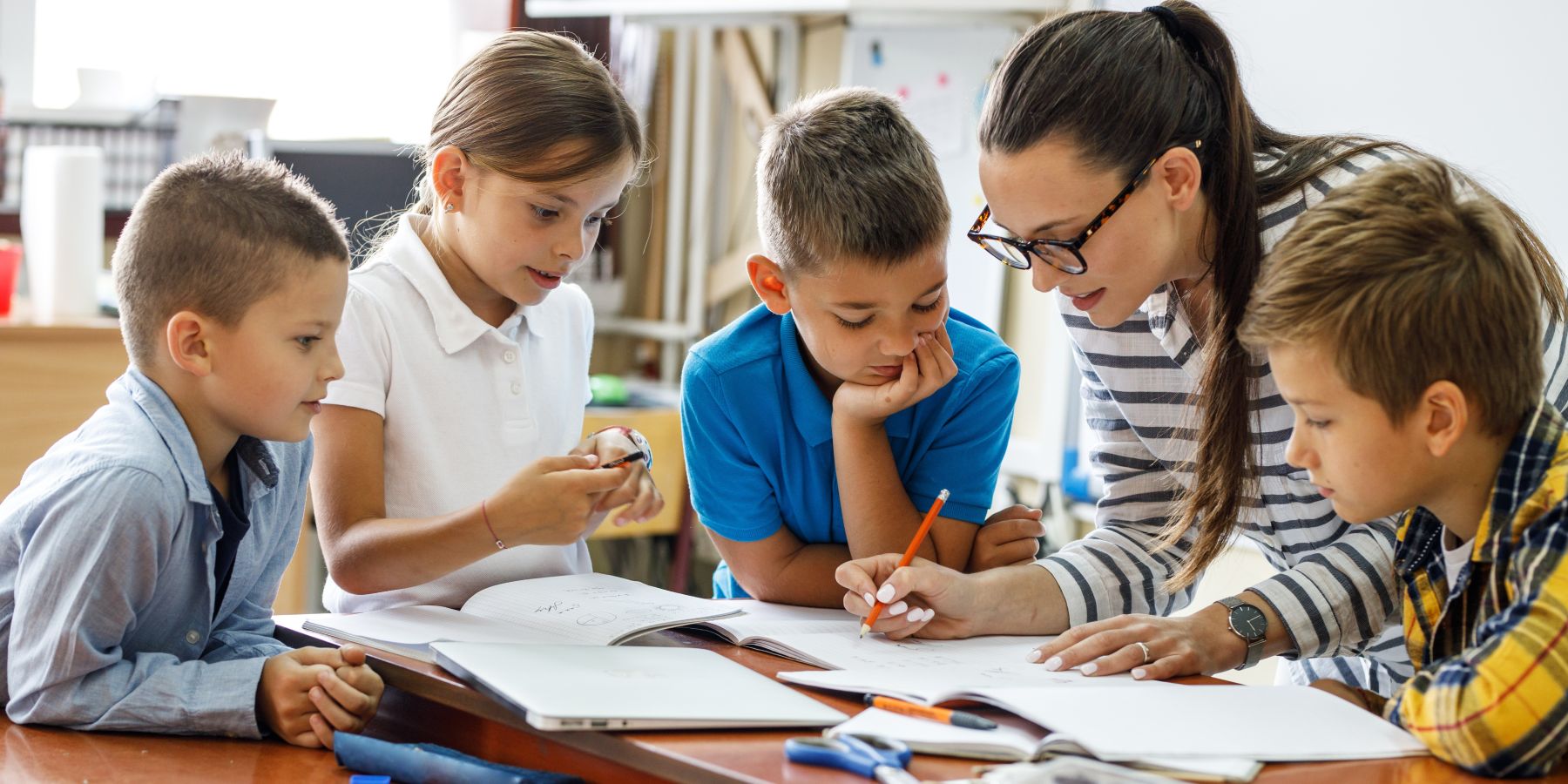
Discover how selective attention helps some students learn, and get practical strategies for managing a flexible, respectful classroom.
As international school educators, you've probably all had that moment – you’re explaining a tricky concept in class and notice a student gazing out of the window or fiddling with a pen. You naturally assume they are miles away, until you ask a question and they answer it perfectly. How can they seem so distracted yet still absorb what’s going on?
Cognitive science offers us insight. The phenomenon is known as selective attention – the brain’s way of tuning into certain pieces of information while filtering out other ‘noise’. In other words, even when students appear unfocussed, their minds can still be processing and storing relevant input. What’s more, selective attentiveness allows them to switch rapidly between what they’re listening to and what they are doing – meaning they can continue to learn quietly in the background.
Interestingly, some ‘distracted’ behaviours may actually help certain students manage their focus and process information more deeply. Teachers therefore have a delicate balance to strike: how can you allow for natural variations in attention without letting the classroom descend into chaos?
In this article, we’ll look at what selective attention is, why it’s more complex than it seems, and how you can create a classroom environment that respects different ways of learning while maintaining structure and respect.
Understanding selective attention and learning
As a teacher, you already know that not all students focus in the same way. Some sit upright and track your every move, while others listen best while rocking in their chair. A few need to keep their hands busy by twisting their hair or tapping a pen. At first glance, these differences may look like varying levels of engagement, but often they reflect different attention styles rather than interest.
The truth is that attention isn’t a one-size-fits-all behaviour. Studies show that students with more active nervous systems might need movement to keep their minds alert. Meanwhile, others find that absolute stillness is the only way they can focus. There are also the auditory processors who look anywhere but at the teacher, and they still catch all the key details.
From a cognitive perspective, other research shows that behaviours like doodling or subtle fidgeting can help students regulate their cognitive load. By occupying part of the brain with something repetitive, they free up mental space to take in more complex information. It’s counterintuitive, but sometimes the more a student appears to not be paying attention, the more effectively their brain is organising the information you’re giving them.
What looks like disengagement on the surface may be a way for students to protect their focus – it can prevent mental fatigue, keep anxiety at bay or pace their thinking so they can follow a challenging explanation. Understanding these differences is the first step in managing so-called distracted students in a way that honours how they learn best.
The difference between productive and disruptive inattention
Of course, not every off-task behaviour is a sign of clever cognitive processing. The challenge for teachers is distinguishing between productive inattention and the kind that genuinely disrupts learning – for the student as well as everyone around them.
Productive inattention is easier to spot once you know what you’re looking for. These are the moments when a student’s eyes may be elsewhere, or their hands are busy doodling, yet they can still respond thoughtfully when you bring them into the discussion. Students complete tasks with reasonable accuracy, contribute when asked, and show that they are tracking the learning, even if it’s not in the way we might traditionally expect. These behaviours reflect a student using selective attention to their advantage.
Genuine disengagement, though, may show up through patterns of behaviour rather than one-off moments. A student who consistently can’t answer questions, shows gaps in understanding, or drifts further off-task over time is likely not processing learning effectively. The difference is in the outcomes. If the learning isn’t sticking, the inattention isn’t working for them.
It’s also important to distinguish between personal attention strategies and behaviours that affect others’ learning. Quiet fidgeting or adjusting their seating position might be what a student needs. But talking across the room, frequently standing up, tapping loudly, or roaming around are behaviours that erode the focus of the entire class.
Not every wandering gaze is a problem – sometimes it’s a strategy. But when inattention becomes contagious or blocks learning, that’s when it needs to be addressed.
Flexible yet structured classrooms
Creating a classroom that supports different attention needs requires building a flexible environment based on very clear behavioural expectations. Students need to know where the boundaries are: respect for others, staying safe, completing the work and not interfering with anyone else’s learning are non-negotiable. Within that framework, you can offer choice in how students engage. This balance helps students feel trusted while keeping the room calm and purposeful.
One practical way to support varied attention styles is to make room for sensory-friendly tools. Simple things like silent fidget tools or textured objects can help restless students stay regulated without distracting others. If you have the space and resources, standing desks or wobble cushions are brilliant options to allow students to move just enough to maintain focus while staying in their workspace.
Or, try incorporating structured movement breaks through the day – this can work wonders for those who need to reset their attention before diving back into learning.
The layout of your classroom can also make a big difference. You could test out organising your space into distinct attention zones, such as:
- A quiet corner for students who need stillness and minimal visual noise
- A collaborative area for group work or active learning tasks
- A flexible seating zone with options like beanbags or varying table heights.
When students can choose an environment that matches their attention needs, you’ll often find they settle faster and stay focused longer.
Making space for the way students really pay attention
Navigating selective attention in a real classroom is an ongoing process of observation, experimentation and adjustment. What works perfectly for one group may not with the next, and even the same students will shift in their needs throughout the term.
By building a classroom that is both flexible and clearly structured, you make room for the science of how attention works, along with the practical realities of teaching big groups of children and teenagers. When you balance order and understanding, you create a classroom where every student – from the doodler to the deep-focuser – has the space to learn in the way their brain does best.
Further reading
Discover other tips to engage your students more deeply in the classroom. Read Why it’s important to practise active listening with your students, How to support students with anxiety and How to achieve gender equality in classroom participation.

Grace Brennan
Grace Brennan is a journalist specialising in educational content, focused on current trends in education, innovative classroom practices, and strategies for engaging students in learning.