

Opening doors: combining the Italian state curriculum with Pearson Edexcel International GCSEs
by
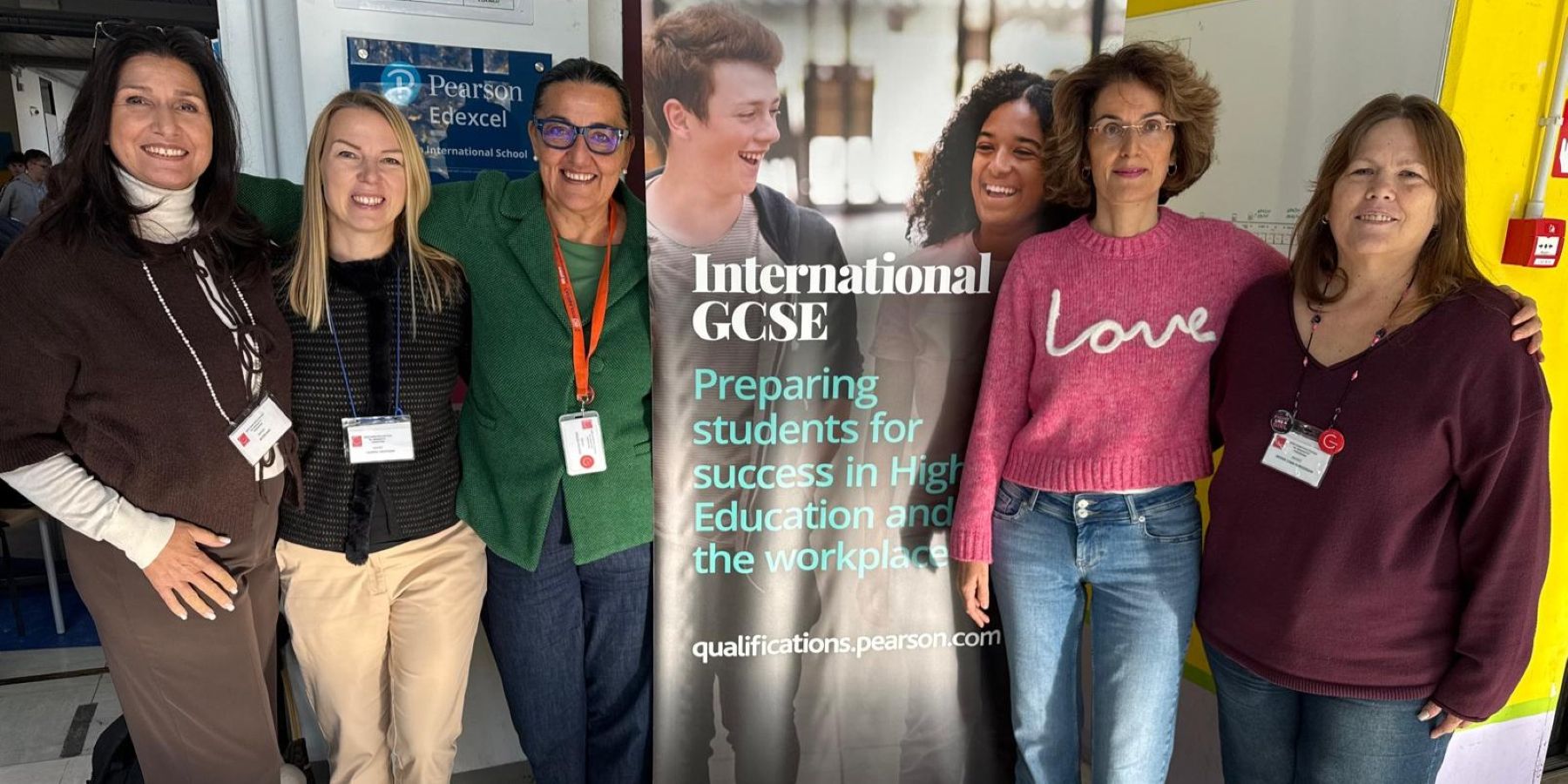
Liceo Michelangelo Grigoletti is a state school in Pordenone, in north-east Italy, serving around 1,300 students aged 14 to 18. Exams Officer and Head of International Project Cristiana Ziraldo explains their dual curriculum approach and her advice for other schools considering a similar pathway.
At a glance
School: Liceo Scientifico Statale Michelangelo Grigoletti
Location: Pordenone, Friuli Venezia Giulia, Italy
School type: State upper secondary school (liceo) with three strands: Scientific, Applied Sciences and Modern Languages
Age range: 14 to 18
School enrolment: Approximately 1,300 students
Dual curriculum model: The Italian national curriculum runs alongside Pearson Edexcel International GCSEs. International GCSE English as a Second Language is taught in the morning timetable in the first two years; further International GCSE subjects are offered as two-year afternoon courses.
International GCSE subjects: English as a Second Language, Business, Literature, Mathematics and Biology
Exam series: May or October (English as a Second Language)
Introducing International GCSEs to a state school model
As a state school, Liceo Grigoletti follows the Italian national curriculum and has introduced Pearson Edexcel International GCSEs around it, embedded in the school day where subject objectives align and offered as an optional afternoon study where they do not.
By embedding International GCSE English as a Second Language into the school day and offering further International GCSE subjects as afternoon courses, the school has strengthened English-medium learning, broadened subject choice and given students a more international pathway.
Exams Officer and Head of International Project Cristiana Ziraldo explains how the model works within the Italian state system, shares candid lessons about what it takes to sustain it, and offers her advice for other schools considering a dual curriculum approach.
Why choose a dual curriculum?
Before introducing International GCSEs, the school was already committed to English-medium learning. Its scientific strand includes a “CLIL class” (Content and Language Integrated Learning), which students join by passing a selective test in English, Biology and Mathematics. In this class, most subjects are taught partly in English, rising progressively from around 10% in the first year to around 40% in the fourth and fifth years.
Cristiana explains that the school introduced Pearson Edexcel International GCSEs for three main reasons:
To strengthen English-medium learning: International GCSEs build on the school’s CLIL approach and give more students the opportunity to learn through English.
To broaden subject choice: International GCSEs allow the school to offer subjects that are not normally part of the liceo syllabus, such as Business.
To provide an international pathway: Students gain a more international route alongside their Italian studies.
What the dual curriculum looks like in practice
Unlike private institutions, Italian state schools must follow the national syllabus. Liceo Grigoletti has therefore designed a two-tier model that works within these rules:
International GCSE within the school day: Cristiana has found that the International GCSE English as a Second Language fits the subject objectives for the first two years of Italian secondary school, so it can be taught in the morning timetable. Students in three strands – the scientific CLIL class, Applied Sciences and Modern Languages – study it for their first two years and sit the exam in the May or October series.
Afternoon International GCSE courses: Further International GCSEs – Business, Literature, Mathematics and Biology – are taught in the afternoon as two-year courses, offered every two years.
Flexible, demand-led provision: Courses run depending on the number of interested students and the availability of teachers. Students are selected by age; for example, 14-year-olds do not take Business or Literature.
Two approaches to one subject: Students experience two different approaches to studying the same subject, which Cristiana describes as a stimulating challenge for both teachers and students.
Overcoming dual curriculum challenges
Running two curricula side by side in a state school is demanding, and Cristiana is candid about what it takes. What the school has learned and the experience she shares below offers valuable lessons for other schools.
- Staff capacity: Teachers are full time, and the dual curriculum involves a lot of extra work, so it is not appealing to all colleagues. The programme needs the full support of the head teacher and colleagues and works best where the Exams Officer does not have a full-time teaching timetable.
- Exam logistics: Most exams take place in the morning, when staff are teaching, and the school has no room reserved for International GCSE exams. This means exam rooms and invigilators need to be allocated and planned for well in advance, and invigilators need training.
- Exams Officer workload: The Exams Officer organises teaching colleagues, student exam entries, exam paper courier bookings, communication with families and students, invigilator training, record-keeping and their own training. Involving more people in your school to share this load helps make the dual curriculum model sustainable
- Finding information: Pearson’s website is rich in information but not always easy to navigate, especially for non-native English speakers. To get around this, Cristiana contacts Pearson Support by email and draws on experienced Exams Officers when she needs help.
- Student time and travel: Afternoon courses add to students’ already demanding morning workload, and some students at the school live outside the city with journeys of up to an hour home. This affects how many students can take part in International GCSE classes at Liceo Grigoletti.
- Launch time: Launching the dual curriculum took several years. Cristiana recommends schools wanting to do the same seek support from an experienced International GCSE Exams Officer in the same region from the outset.
Explaining the value to students and families

Cristiana has created a dedicated International GCSE webpage for Liceo Grigoletti's students and families. At the school’s Open Days, held three times a year, she is at the front desk giving information to parents and students. The school also shares video testimonials from students on its International GCSE website.
The key message she shares with families is that an International GCSE qualification in core subjects gives their children more opportunities for the future.
Banner image: From left to right - Kim Buosi (ESL), Anastasiia Kalinina (Business), Cristiana Ziraldo (Exam Officer and ESL), Sonia Della Libera (ESL), Deena Lynn Furgerson (ESL)
Second image: From left to right - Cristiana Ziraldo (Exam Officer and ESL), Dalisa Poletto (Biology), Agnese Cadel (Mathematics)
Proof points: the impact so far
“Students appreciate the offer of the courses and are highly motivated: their confidence is boosted and they certainly get the chance of dealing with two different approaches in the study of the same subject.” explains Cristiana.
The dual curriculum is embedded across the school: Students in three strands – the scientific CLIL class, Applied Sciences and Modern Languages – study International GCSE English as a Second Language in their first two years.
It provides students with a broader subject choice: Five International GCSE subjects are available, including Business, which is not generally part of the liceo syllabus.
Students feel confident and motivated: Students appreciate the courses and are highly motivated, and their confidence is boosted by studying International GCSEs alongside the Italian national curriculum.
Growing parent interest: Parents are increasingly interested because they see that an International GCSE qualification in core subjects gives their children more opportunities.
Stronger progression: International GCSEs have helped students with their university pathways and English-medium learning.
Greater visibility: Offering an International GCSE pathway with Pearson Edexcel has given the school more visibility and publicity in its community.
Advice for schools considering a dual curriculum
Cristiana’s advice to other schools considering adding an International GCSE pathway alongside their local curriculum is as follows:
Secure leadership support first. Make sure the head teacher fully supports the programme and, ideally, that the Exams Officer does not have a full-time teaching timetable.
Build buy-in across the staff. The project needs to be supported and seen as valuable by colleagues, with more people helping to promote it.
Find a regional mentor. Connect with an experienced International GCSE Exams Officer in your region before you start.
Plan exam logistics early. Think ahead about exam rooms, invigilators and how morning exam sessions will fit around teaching.
Use the support available. Contact Pearson Support and build a network of fellow Exams Officers to help you find answers quickly.
Consider students’ time. Take account of students’ existing workload and travel times when planning courses outside the main school day.
What’s next for Liceo Grigoletti
Cristiana would like to see more students attending the afternoon International GCSE courses. She recognises the barriers – a demanding morning workload and long journeys home for some students – and the school continues to promote the pathway to students and families. “More opportunities for students, stimulating challenges both for teachers and students!”
Learn more
Choosing a dual curriculum approach gives learners the best of both worlds: a strong connection to their national curriculum and a clear route to globally recognised international qualifications. Learn more about how we can support your dual curriculum approach.