

The best of both worlds: combining the Zambian curriculum with Pearson Edexcel International GCSEs
by
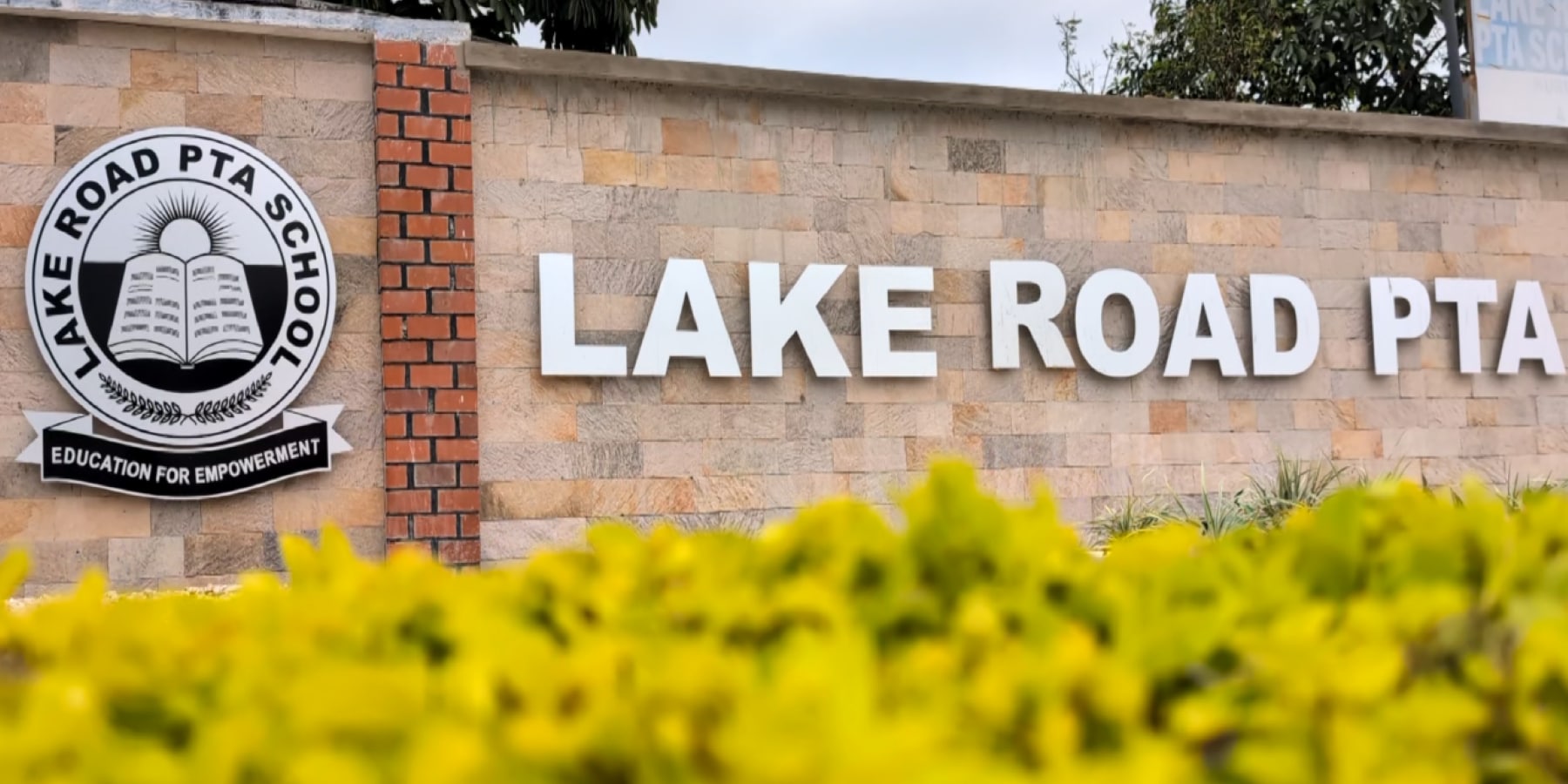
Lake Road PTA International School in Lusaka provides learners with a strong grounding in Zambia's national curriculum and a clear route to globally recognised qualifications.
At a glance
School: Lake Road PTA International School
Location: Lusaka, Zambia
Age range: Kindergarten to senior secondary, with three to four classes per year group.
School enrolment: Over 1,000 students, of whom approximately 500 are in senior secondary
Dual curriculum model: The Zambian national curriculum is delivered alongside Pearson Edexcel International GCSEs in separate, parallel classes
International GCSE subjects: Subjects offered include Biology, Chemistry, Physics, Mathematics, English, ICT, Business, French, Accounting, Commerce and Geography
Exam series: October/November, aligned with the national examination calendar
Co-curricular activities: Physical Education, sports and clubs
An effective and affordable dual curriculum pathway
Since introducing Pearson Edexcel International GCSEs alongside the Zambian curriculum, the school has built an effective and affordable dual pathway for its students. It aligns with the national examination calendar, draws on existing teaching staff, and provides access to universities in Zambia and abroad.
Exams Officer and International GCSE Coordinator Francis Musonda explains how the model works and what the school has learned so far, and offers advice to other schools considering a dual curriculum approach.
Why choose a dual curriculum?
Lake Road PTA School has a long history in international education. It first offered an international curriculum in 1988, but within a decade rising costs, especially exam and service fees charged in sterling, led the school to switch to the Zambian national curriculum only. However, families continued to request an international option, and some students required international qualifications in order to study abroad. The school therefore reconsidered offering an international curriculum and chose Pearson Edexcel to reintroduce an international pathway alongside the Zambian national curriculum.
Francis explains the school chose Pearson Edexcel International GCSEs for four main reasons:
Affordability and flexibility: Pearson Edexcel's examination fees are affordable for families, which was essential given that exchange rates make costs in sterling high.
Global recognition: "Pearson is known worldwide. If someone presents a qualification certificate with that logo, there's no need for further explanation."
A quicker route to advanced study: The International GCSE is taught over two years, providing learners with a clear pathway to International A levels and university.
Choice for families: Some students seek an internationally benchmarked alternative alongside the Zambian curriculum, particularly if they intend to study abroad.
What the dual curriculum looks like in practice
Lake Road uses a parallel-stream model. The Zambian curriculum runs from primary to senior secondary. International GCSE students are taught in their own classes and sit separate exams. Most students follow the Zambian national curriculum through primary and part of lower secondary, then move on to the International GCSE route. Francis adds that many International GCSE students also join from other schools because they specifically seek an international qualification.
In practice, Francis explains that this parallel-stream system works because:
Shared subjects make delivery easier: International GCSE subjects such as mathematics, English, ICT, business, French and geography are also taught in the Zambian national curriculum. This means that content overlaps and that existing teachers can teach both routes.
The calendars align: The school runs a three-term year. International GCSEs are taught over six terms: Year 1 covers the first three and Year 2 the final three. Students sit exams in the October/November series, alongside their national final exams.
It builds on strong foundations: "What we have here is similar to what you have at International GCSE, so it lays a good foundation for them," says Francis. The national curriculum gives students a solid base for the move to the International GCSE.
Overcoming common dual curriculum challenges
Running two curricula side by side is not without its challenges, but Lake Road's practical approach offers useful lessons for other schools.
- Curriculum alignment: The school began with subjects that are also offered in the national curriculum, which allowed for shared content, familiar teaching approaches and reduced staff training requirements. Pearson's online teacher training and resources further made teacher preparation easier and more cost-effective than in-person training would have been.
- Timetabling: Students on each route are taught in separate classes. The two-year International GCSE programme integrates readily into the school's three-term year, allowing each route to maintain its own timetable.
- Assessment windows: The school uses the October/November examination series, so most international and national examinations take place at the same point in the year. Some practical subjects, such as art and design & technology, are available only in the May/June series, which limits subject choice. However, Francis is pleased that more subjects have since been added to the October/November series, giving students a wider range of options.
- Preparing for applied exam questions: International GCSE examinations emphasise the application of knowledge, a style that differs from that of the national examinations. The school now develops examination technique using past papers, mark schemes and examiner reports provided by Pearson. Encouragingly, results have improved from one cohort to the next as teachers have gained experience.
- Building awareness with families: Many local families were more familiar with other international qualifications than with Pearson Edexcel. The school therefore explains that Pearson Edexcel International GCSEs are equivalent, internationally recognised qualifications, shares Pearson information and its own research, and draws attention to former students who are now studying at university in Zambia and abroad.
Planning a coherent learner journey
Lake Road plans its curriculum as one connected journey from the early years to university, not as two separate programmes:
Kindergarten and primary: Learners build a strong base in the Zambian national curriculum. The school plans to introduce Pearson Edexcel iPrimary from Grade 4 so pupils meet international content earlier.
Lower secondary: Shared content across the two curricula prepares students to move on to an international pathway if they choose to do so.
International GCSE (two years, six terms): Students take Pearson Edexcel International GCSEs in separate classes and sit exams in the October/November series.
Advanced study and university: Students can progress to Pearson Edexcel A levels, which are recognised by the University of Zambia, and then to universities in Zambia or abroad.
Francis explains that this model is also consistent with national reform. Zambia's curriculum is moving to four years of secondary education followed by two years of advanced level before university. This mirrors the International GCSE and A level route and makes the two pathways easier to align.
Proof points: the impact so far
A growing international route: Around 25 students are currently on the International GCSE route, with 14 in Year 1 and about 10 in Year 2. Many joined Lake Road specifically for this pathway.
International progression: Most International GCSE graduates have gone on to study abroad. One former student is now studying in India with sponsorship.
Recognition at home: Pearson Edexcel qualifications are recognised by the University of Zambia. A private university in Zambia admitted a recent Lake Road International GCSE student after confirming his qualification with the school.
Improving results: Each cohort has performed better than the previous one, as teachers have become more familiar with the qualification and make full use of Pearson's assessment resources.
Responsive support: "Whenever we have a problem, if I just contact customer service and there's prompt feedback," says Francis. He also praises the school's local Pearson consultant.
"Some of our students are studying in local universities, so we use them as examples. People see that it is true – it's working." says Francis.
Advice for schools considering a dual curriculum
Francis offers the following advice to other schools considering adding an international track to their national curriculum:
Start with shared subjects. Begin with subjects already taught in your national curriculum so you can use your existing teachers and overlapping content.
Plan around the exam calendar. Choose the exam series that best fits your national exams and school terms, and check which subjects are offered in that series before setting your options.
Prepare for the assessment style early. Use past papers, mark schemes and examiner reports from the start of the course so students practise applying their knowledge, not just covering the content.
Explain to families clearly and with evidence. Explain that the qualification is internationally recognised and share real stories of former students' progression.
Plan the whole journey. Think about how learners will reach the international route, for example by introducing international content in primary school, and where they will go afterwards.
Use the support available. Make full use of Pearson Edexcel's online training, free online resources and your Pearson regional team.
What is next for Lake Road
Lake Road plans to introduce Pearson Edexcel iPrimary from Grade 4, so that more learners can move smoothly on to the International GCSE route and numbers can grow over time. Francis, who is already an experienced local examiner, also wants to bring international examining expertise into the school to help teachers and students understand better what exams require.
"Education is priceless. No matter the expense, you are getting a lifetime of empowerment – so you just have to go for it." says Francis.
Learn more about Lake Road in their prospectus.
Learn more
Choosing a dual curriculum approach gives learners the best of both worlds: a strong connection to their national curriculum and a clear route to globally recognised international qualifications. Learn more about how we can support your dual curriculum approach.