Pearson+ LogoPearson+ Logo
Ch. 14 The Origin of Species
Taylor - Campbell Biology: Concepts & Connections 10th Edition
Taylor, Simon, Dickey, Hogan10th EditionCampbell Biology: Concepts & ConnectionsISBN: 9780136538783Not the one you use?Change textbook
Chapter 14, Problem 19

The red wolf, Canis rufus, which was once widespread in the southeastern and south central United States, was declared extinct in the wild by 1980. Saved by a captive breeding program, the red wolf has been reintroduced in areas of eastern North Carolina. The current wild population is estimated to be about 100 individuals. It is presently being threatened with extinction due to hybridization with coyotes, Canis latrans, which have become more numerous in the area. Red wolves and coyotes differ in terms of morphology, DNA, and behavior, although these differences may disappear if interbreeding continues. Although the red wolf has been designated as an endangered species under the Endangered Species Act, some people think that its endangered status should be withdrawn and resources should not be spent to protect what is not a 'pure' species. Do you agree? Why or why not?

Verified step by step guidance
1
Identify the key biological concepts involved in the problem, such as species conservation, hybridization, and the definition of a 'pure' species.
Consider the ecological role of the red wolf in its habitat and how its extinction or hybridization with coyotes might impact the ecosystem.
Evaluate the genetic aspects of the red wolf and coyote populations, focusing on the significance of maintaining genetic diversity and distinct species.
Reflect on the ethical considerations of wildlife conservation, including the human responsibility to preserve species and the implications of withdrawing protection.
Formulate a well-rounded opinion based on biological principles, ecological impact, genetic integrity, and ethical considerations regarding whether the endangered status of the red wolf should be maintained.

Verified video answer for a similar problem:

This video solution was recommended by our tutors as helpful for the problem above.
Video duration:
52s
Was this helpful?

Key Concepts

Here are the essential concepts you must grasp in order to answer the question correctly.

Endangered Species Act

The Endangered Species Act (ESA) is a key piece of U.S. legislation aimed at protecting species at risk of extinction and their habitats. It provides a framework for the conservation of threatened and endangered plants and animals, allowing for the designation of critical habitats and recovery plans. The act emphasizes the importance of preserving biodiversity and the ecological roles of various species, regardless of their genetic purity.
Recommended video:
Guided course
04:32
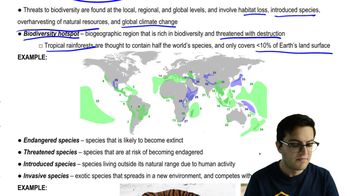
Biodiversity Hotspots and Endangered Species

Hybridization

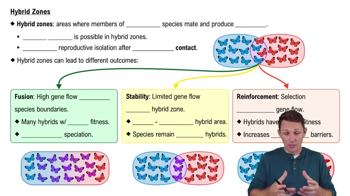
Hybridization refers to the process where two different species interbreed, producing offspring that may possess traits from both parent species. In the case of the red wolf and coyote, hybridization poses a significant threat to the genetic integrity of the red wolf population. This can lead to the dilution of unique species characteristics, potentially resulting in the loss of distinct species over time.
Recommended video:
04:38
Hybrid Zones

Conservation Biology

Conservation biology is a multidisciplinary field focused on the study and preservation of biodiversity. It encompasses the management of species, ecosystems, and genetic diversity to prevent extinction and promote sustainable practices. The field addresses the challenges posed by habitat loss, climate change, and human activities, advocating for strategies that balance ecological health with human interests.
Recommended video:
Guided course
03:56
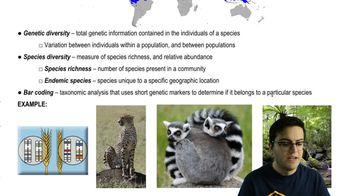
Conservation Biology and Biodiversity