Pearson+ LogoPearson+ Logo
Ch. 16 - Genomics: Genetics from a Whole-Genome Perspective
Sanders - Genetic Analysis: An Integrated Approach 3rd Edition
Sanders3rd EditionGenetic Analysis: An Integrated ApproachISBN: 9780135564172Not the one you use?Change textbook
Chapter 16, Problem B.14c

Select one of the hereditary conditions from either the RUSP core conditions list or the RUSP list of secondary conditions and do some online research to find the following information:
The symptoms and consequences of the condition if it is not treated.

Verified step by step guidance
1
Identify a hereditary condition from the Recommended Uniform Screening Panel (RUSP) core or secondary conditions list. These are genetic disorders commonly screened for in newborns.
Research the selected condition using reliable genetics and medical resources such as genetics databases, medical journals, or trusted health websites to gather detailed information.
Focus on understanding the symptoms that manifest in individuals affected by the condition, especially those that appear if the condition remains untreated.
Investigate the potential consequences or complications that can arise from the untreated condition, including impacts on development, organ function, or overall health.
Summarize the findings clearly, emphasizing the importance of early detection and treatment to prevent or mitigate these symptoms and consequences.

Verified video answer for a similar problem:

This video solution was recommended by our tutors as helpful for the problem above.
Video duration:
1m
Was this helpful?

Key Concepts

Here are the essential concepts you must grasp in order to answer the question correctly.

Newborn Screening and the RUSP

The Recommended Uniform Screening Panel (RUSP) is a list of core and secondary conditions that newborns are routinely screened for in the United States. These conditions are selected based on their severity, treatability, and the availability of effective screening tests. Understanding the RUSP helps identify which hereditary conditions are prioritized for early detection to prevent serious health outcomes.
Recommended video:
Guided course
09:32
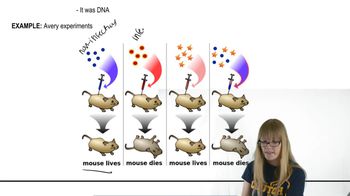
History and Experiments

Hereditary Conditions and Genetic Inheritance

Hereditary conditions are genetic disorders passed from parents to offspring through genes. These conditions can be inherited in various patterns such as autosomal dominant, autosomal recessive, or X-linked. Recognizing the inheritance pattern is essential for understanding the risk of occurrence and the biological basis of the condition.
Recommended video:
Guided course
27:36
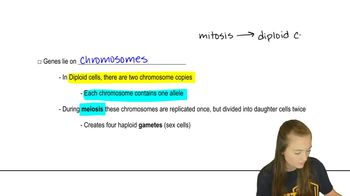
Diploid Genetics

Symptoms and Consequences of Untreated Genetic Disorders

Many hereditary conditions cause specific symptoms and health problems that worsen if untreated. Early diagnosis through newborn screening allows timely intervention to prevent severe consequences like developmental delays, organ damage, or death. Knowing the untreated progression highlights the importance of screening and treatment.
Recommended video:
Guided course
03:45
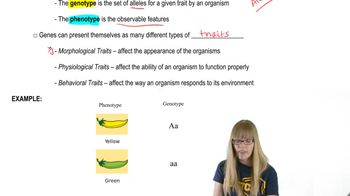
Descriptive Genetics