Pearson+ LogoPearson+ Logo
Ch.25 Protein and Amino Acid Metabolism
McMurry - Fundamentals of GOB 8th Edition
McMurry8th EditionFundamentals of GOBISBN: 9780134015187Not the one you use?Change textbook
Chapter 25, Problem 53

Why might it be a bad idea to take large quantities of a single amino acid dietary supplement?

Verified step by step guidance
1
Understand that amino acids are the building blocks of proteins, and the body requires a balanced intake of all essential amino acids to function properly.
Recognize that taking large quantities of a single amino acid can disrupt the balance of amino acids in the body, potentially leading to competition for absorption in the small intestine.
Consider that an imbalance in amino acid levels can interfere with the synthesis of proteins and other important molecules, as the body may lack sufficient quantities of other amino acids needed for these processes.
Acknowledge that excessive intake of a single amino acid could lead to side effects or toxicity, depending on the specific amino acid and its metabolic pathways.
Conclude that it is generally better to consume a balanced diet or consult a healthcare professional before taking large quantities of any single amino acid supplement.

Verified video answer for a similar problem:

This video solution was recommended by our tutors as helpful for the problem above.
Video duration:
4m
Was this helpful?

Key Concepts

Here are the essential concepts you must grasp in order to answer the question correctly.

Amino Acids

Amino acids are organic compounds that serve as the building blocks of proteins. There are 20 standard amino acids, nine of which are essential, meaning they must be obtained through diet. Each amino acid plays a unique role in bodily functions, including muscle repair, hormone production, and neurotransmitter synthesis.
Recommended video:
Guided course
3:03
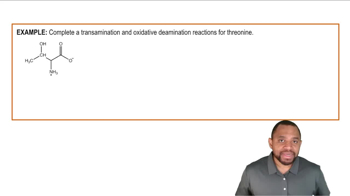
Amino Acid Catabolism: Amino Group Example 2

Nutrient Imbalance

Taking large quantities of a single amino acid can lead to nutrient imbalance, where the excess of one amino acid may inhibit the absorption or utilization of others. This can disrupt the delicate balance required for optimal protein synthesis and overall metabolic function, potentially leading to deficiencies in other essential amino acids.
Recommended video:

Toxicity and Side Effects

Excessive intake of certain amino acids can result in toxicity and adverse side effects. For example, high doses of specific amino acids may cause gastrointestinal distress, affect kidney function, or lead to imbalances in neurotransmitter levels, which can impact mood and cognitive function. Therefore, moderation is key in dietary supplementation.
Recommended video:
Guided course
04:38
Solubility: Temperature Effect Concept 1