Ch.1 Matter and Measurements
McMurry - Fundamentals of General, Organic, and Biological Chemistry 8th Edition
McMurry8th EditionFundamentals of General, Organic, and Biological ChemistryISBN: 9780134015187당신이 사용하는 게 아니라요?교과서 변경
1장, 문제 54

What is the difference between a physical quantity and a number?

검증된 단계별 안내
1
A physical quantity is a measurable property of matter or energy that includes both a numerical value and a unit of measurement (e.g., 5 meters, 10 kilograms). It provides context and meaning to the number by specifying what is being measured.
A number, on the other hand, is a mathematical value that represents a count, quantity, or position but does not inherently include a unit or context (e.g., 5, 10).
Physical quantities are essential in science because they allow us to describe and compare measurements in a standardized way, using units from systems like SI (International System of Units).
For example, the number '5' alone does not convey much information, but '5 meters' specifies a length, making it a physical quantity.
In summary, the key difference is that a physical quantity combines a number with a unit to provide meaningful information about a measurement, while a number is just a standalone value without context.

비슷한 문제에 대한 검증된 영상 답변:

이 영상 해법은 위 문제에 도움이 된다고 튜터들이 추천한 것입니다.
영상 길이:
5m
도움이 되었나요?

주요 개념

질문에 올바르게 답하기 위해 반드시 이해해야 하는 핵심 개념들은 다음과 같습니다.

Physical Quantity

A physical quantity is a property of a physical system that can be measured and expressed numerically. It consists of a numerical value and a unit of measurement, such as length (meters), mass (kilograms), or time (seconds). Physical quantities are essential in science and engineering as they provide a way to quantify and compare different phenomena.
추천 영상:
가이드 코스
02:54
Physical Properties Concept

Number

A number is a mathematical object used to count, measure, and label. It can represent a quantity but does not inherently include any information about units or physical context. Numbers can be whole, fractional, or irrational, and they serve as the foundation for arithmetic and algebra, allowing for calculations and comparisons without reference to physical properties.
추천 영상:
가이드 코스
03:13
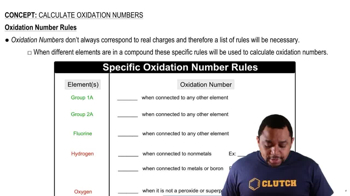
Calculate Oxidation Numbers

Units of Measurement

Units of measurement are standardized quantities used to express physical quantities. They provide a context for interpreting numbers, ensuring that measurements are understood universally. For example, the meter is a unit for measuring length, and without specifying a unit, a number like '5' could refer to anything, making it ambiguous. Units are crucial for clarity in scientific communication.
추천 영상:
가이드 코스
02:52
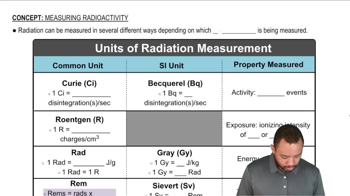
Measuring Radioactivity Concept 1