Ch.12 Introduction to Organic Chemistry: Alkanes
McMurry - Fundamentals of General, Organic, and Biological Chemistry 8th Edition
McMurry8th EditionFundamentals of General, Organic, and Biological ChemistryISBN: 9780134015187당신이 사용하는 게 아니라요?교과서 변경
12장, 문제 64b

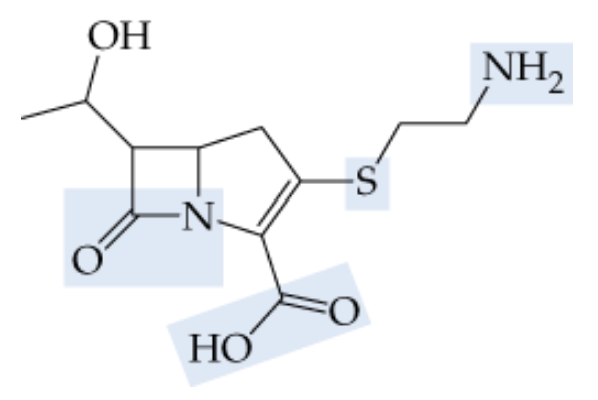
Identify the indicated functional groups in the following molecules:
b. Thienamycin, an antibiotic
Chemical structure of thienamycin with highlighted functional groups including hydroxyl, amine, and sulfonyl groups.

검증된 단계별 안내
1
Step 1: Understand the problem. The task is to identify the functional groups present in the molecule Thienamycin, an antibiotic. Functional groups are specific groups of atoms within molecules that are responsible for the characteristic chemical reactions of those molecules.
Step 2: Analyze the structure of Thienamycin. Look at the molecular structure provided in the image. Identify distinct regions of the molecule where functional groups are present. Common functional groups include hydroxyl (-OH), amine (-NH2), carboxylic acid (-COOH), ketone (C=O), and others.
Step 3: Identify the heterocyclic ring. Thienamycin contains a sulfur-containing heterocyclic ring, which is a thiophene derivative. This is a key structural feature of the molecule.
Step 4: Look for other functional groups. Examine the molecule for additional functional groups such as an amine group (-NH2), which is common in antibiotics, or a carboxylic acid group (-COOH), which may contribute to the molecule's acidity.
Step 5: Summarize the identified functional groups. Based on the analysis, list all the functional groups present in Thienamycin, ensuring you describe their locations within the molecule (e.g., 'primary amine attached to...').

비슷한 문제에 대한 검증된 영상 답변:

이 영상 해법은 위 문제에 도움이 된다고 튜터들이 추천한 것입니다.
도움이 되었나요?

주요 개념

질문에 올바르게 답하기 위해 반드시 이해해야 하는 핵심 개념들은 다음과 같습니다.

Functional Groups

Functional groups are specific groups of atoms within molecules that are responsible for the characteristic chemical reactions of those molecules. They determine the properties and reactivity of organic compounds. Common functional groups include hydroxyl (-OH), carboxyl (-COOH), and amine (-NH2), each influencing the behavior of the molecule in biological systems.
추천 영상:
가이드 코스
1:11
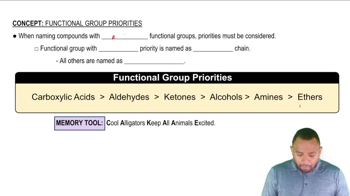
Functional Group Priorities Concept 1

Thienamycin Structure

Thienamycin is a beta-lactam antibiotic that contains a thiazolidine ring and a beta-lactam ring, which are crucial for its antibacterial activity. Understanding its structure helps in identifying the functional groups present, such as the amide and thiazole groups, which contribute to its mechanism of action against bacterial cell walls.
추천 영상:
가이드 코스
1:01
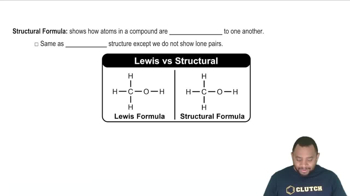
Structural Formula Concept 2

Antibiotic Mechanism of Action

Antibiotics like thienamycin work by inhibiting the synthesis of bacterial cell walls, leading to cell lysis and death. The presence of specific functional groups in thienamycin allows it to bind to penicillin-binding proteins (PBPs), disrupting the normal function of these proteins and effectively combating bacterial infections.
추천 영상:
가이드 코스
2:39
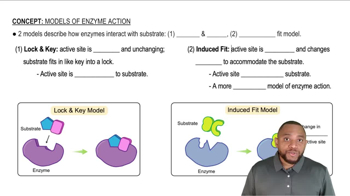
Models of Enzyme Action Concept 1