Compare the structures of vitamin A and vitamin C. Which one is water-soluble and which is fat-soluble? What structural features does each have that make one water-soluble and the other fat-soluble?
Ch.19 Enzymes and Vitamins
McMurry8th EditionFundamentals of General, Organic, and Biological ChemistryISBN: 9780134015187당신이 사용하는 게 아니라요?교과서 변경
19장, 문제 21
Vitamins are a diverse group of compounds that must be present in the diet. List four functions of vitamins in the body.
검증된 단계별 안내1
Vitamins act as coenzymes or cofactors, which are molecules that assist enzymes in catalyzing biochemical reactions. For example, vitamin B-complex vitamins are essential for energy metabolism.
Vitamins play a role in maintaining healthy vision, skin, and immune function. For instance, vitamin A is crucial for vision and immune system support.
Vitamins are involved in the synthesis and repair of tissues. For example, vitamin C is necessary for the production of collagen, a protein that helps maintain the structure of skin, blood vessels, and connective tissues.
Vitamins help protect the body from oxidative damage. For instance, vitamins like vitamin E and vitamin C act as antioxidants, neutralizing free radicals that can damage cells and tissues.

비슷한 문제에 대한 검증된 영상 답변:
이 영상 해법은 위 문제에 도움이 된다고 튜터들이 추천한 것입니다.
영상 길이:
1m도움이 되었나요?
주요 개념
질문에 올바르게 답하기 위해 반드시 이해해야 하는 핵심 개념들은 다음과 같습니다.
Essential Nutrients
Vitamins are classified as essential nutrients, meaning they are necessary for various bodily functions but cannot be synthesized in sufficient quantities by the body. They must be obtained through diet, highlighting their importance in maintaining health and preventing deficiencies.
추천 영상:
가이드 코스
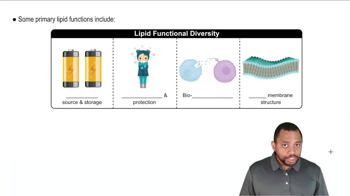
Intro to Lipids Concept 2
Biochemical Functions
Vitamins play critical roles in biochemical processes, including acting as coenzymes or precursors for enzyme function. For example, B vitamins are vital for energy metabolism, while vitamin K is essential for blood clotting, illustrating their diverse roles in maintaining physiological balance.
추천 영상:
가이드 코스
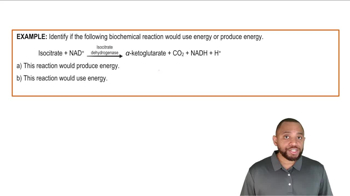
Energy Production In Biochemical Pathways Example 1
Antioxidant Properties
Certain vitamins, such as vitamins C and E, function as antioxidants, protecting the body from oxidative stress caused by free radicals. This protective role is crucial for reducing the risk of chronic diseases and supporting overall cellular health.
추천 영상:
가이드 코스
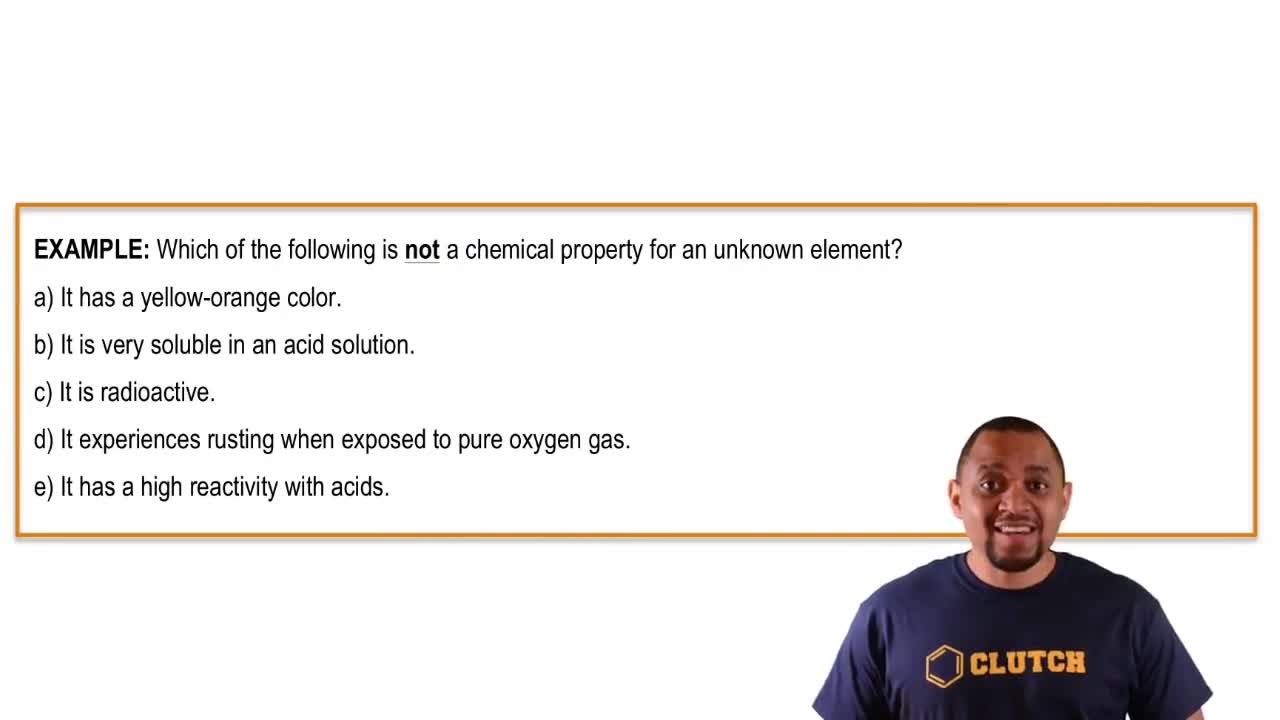
Chemical Properties Example 1
관련 실천
교과서 질문
30
views
교과서 질문
Based on the structure shown for retinol (vitamin A) and the names of the two related forms of vitamin A, retinal and retinoic acid, what do you expect to be the structural differences among these three compounds?
750
views
교과서 질문
Answer questions (a)–(e) concerning the following reaction:
b. Since hydrogens are removed, the enzyme belongs to what subclass of the enzyme class from part (a)?
1064
views
교과서 질문
Which vitamin provides us with each of the following?
b. Coenzyme A
1209
views
교과서 질문
Answer questions (a)–(e) concerning the following reaction:
a. The enzyme involved in this reaction belongs to what class of enzymes?
905
views
교과서 질문
Answer questions (a)–(e) concerning the following reaction:
c. What is the substrate for the reaction as written?
1163
views