뒤로
뒤로
문제 38a
Name an enzyme that acts on each molecule.
a. Amylose
문제 38c
Name an enzyme that acts on each molecule.
c. DNA
문제 39a
Name an enzyme that acts on each molecule.
a. Lactose
문제 39c
Name an enzyme that acts on each molecule.
c. RNA
문제 42c
What classes of enzymes would you expect to catalyze the following reactions?
c.
문제 44b
What kind of reaction does each of these enzymes catalyze?
b. A transmethylase
문제 44c
What kind of reaction does each of these enzymes catalyze?
c. A reductase
문제 47
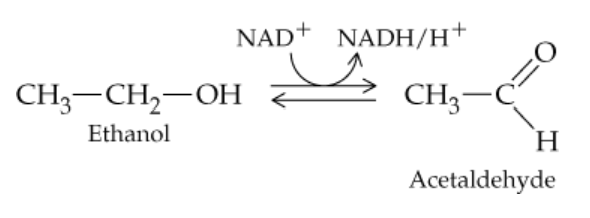
Alcohol dehydrogenase (ADH) catalyzes the following reaction. To what class of enzymes does ADH belong?
문제 48
What is the difference between the lock-and-key model of enzyme action and the induced-fit model?
문제 49
Why is the induced-fit model a more likely model than the lock-and-key model?
문제 52
How do you explain the observation that pepsin, a digestive enzyme found in the stomach, has a high catalytic activity at pH 1.5, while trypsin, an enzyme of the small intestine, has no activity at pH 1.5?
문제 56a
What general effects would you expect the following changes to have on the rate of an enzyme-catalyzed reaction for an enzyme that has its maximum activity at body temperature (about 37°C)?
a. Raising the temperature from 37°C to 70°C
문제 56c
What general effects would you expect the following changes to have on the rate of an enzyme-catalyzed reaction for an enzyme that has its maximum activity at body temperature (about 37°C)?
c. Adding an organic solvent, such as methanol
문제 57c
What general effects would you expect the following changes to have on the rate of an enzyme-catalyzed reaction for an enzyme that has its maximum activity at body temperature (about 37°C)?
c. Adding an oxidizing agent, such as hydrogen peroxide
문제 58b
The text discusses three forms of enzyme inhibition: uncompetitive inhibition, competitive inhibition, and irreversible inhibition.
b. What kinds of bonds are formed between an enzyme and each of these three kinds of inhibitors?
문제 59a
What kind of inhibition (uncompetitive, competitive, or irreversible) is present in each of the following:
a. Penicillin is used to treat certain bacterial infections. Penicillin is effective because it binds to the enzyme glycopeptide transpeptidase and does not dissociate.
문제 59c
What kind of inhibition (uncompetitive, competitive, or irreversible) is present in each of the following:
c. The antibiotic deoxycycline inhibits the bacterial enzyme collagenase, slowing bacterial growth. Deoxycycline does not fit into the active site of collagenase and binds elsewhere on the enzyme.
문제 63
One mechanism by which lead exerts its poisonous effect on enzymes can be stopped by chelation therapy with EDTA. Describe this type of lead poisoning and explain why it is reversible.
문제 64
The meat tenderizer used in cooking is primarily papain, a protease enzyme isolated from the fruit of the papaya tree. Why do you suppose papain is so effective at tenderizing meat?
문제 66
Why do allosteric enzymes have two types of binding sites?
문제 69
What are the cellular advantages to feedback inhibition?
문제 71
Activation of a zymogen is by covalent modification. How might phosphorylation or dephosphorylation (also covalent modification) modify an enzyme to make it more active (or more inactive)?
문제 74
What criteria make a compound a vitamin?
문제 75
What is the relationship between vitamins and enzymes?
문제 76
Why is daily ingestion of vitamin C more critical than daily ingestion of vitamin A?
문제 78
Why is it important that the macronutrients calcium and phosphorus be ingested in approximately equal amounts?
문제 80
Look up the structures of vitamin C and vitamin E on the Web, and identify the functional groups in these vitamins.
문제 81
What is the relationship between vitamin A and β-carotene?
문제 83
How can you distinguish between a competitive inhibitor and an uncompetitive inhibitor experimentally?
문제 84
What is the activation energy for a reaction? Why is activation energy necessary?