Ch.22 Carbohydrate Metabolism
McMurry - Fundamentals of General, Organic, and Biological Chemistry 8th Edition
McMurry8th EditionFundamentals of General, Organic, and Biological ChemistryISBN: 9780134015187당신이 사용하는 게 아니라요?교과서 변경
22장, 문제 23b

Glucose 6-phosphate is in a pivotal position in metabolism. Depending on conditions, glucose 6-phosphate follows one of several pathways. Under what conditions do the following occur?
b. Hydrolysis to free glucose

검증된 단계별 안내
1
Understand the role of glucose 6-phosphate: Glucose 6-phosphate is a phosphorylated glucose molecule that serves as an intermediate in various metabolic pathways, including glycolysis, gluconeogenesis, and the pentose phosphate pathway.
Recognize the process of hydrolysis: Hydrolysis is a chemical reaction where a water molecule is used to break a bond. In this case, the phosphate group is removed from glucose 6-phosphate, resulting in free glucose and inorganic phosphate.
Identify the conditions for hydrolysis to free glucose: Hydrolysis of glucose 6-phosphate to free glucose typically occurs in the liver and kidneys. This process is catalyzed by the enzyme glucose-6-phosphatase, which is present in these organs.
Relate to physiological conditions: The hydrolysis to free glucose occurs when the body needs to maintain blood glucose levels, such as during fasting or between meals. This is part of the gluconeogenesis or glycogenolysis pathways, where glucose is released into the bloodstream to provide energy to other tissues.
Summarize the key point: Hydrolysis of glucose 6-phosphate to free glucose occurs under conditions where the body requires glucose to be released into the bloodstream, such as during low blood sugar levels or energy demand, and is facilitated by the enzyme glucose-6-phosphatase in specific tissues.

비슷한 문제에 대한 검증된 영상 답변:

이 영상 해법은 위 문제에 도움이 된다고 튜터들이 추천한 것입니다.
영상 길이:
6m
도움이 되었나요?

주요 개념

질문에 올바르게 답하기 위해 반드시 이해해야 하는 핵심 개념들은 다음과 같습니다.

Glucose 6-Phosphate Metabolism

Glucose 6-phosphate (G6P) is a key intermediate in several metabolic pathways, including glycolysis and the pentose phosphate pathway. It can be converted into glucose through hydrolysis, which is essential for maintaining blood sugar levels. Understanding the role of G6P in metabolism helps clarify how the body regulates energy production and storage.
추천 영상:
가이드 코스
2:07
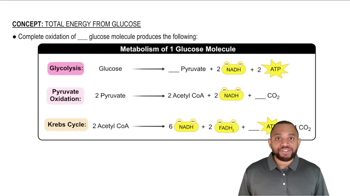
Total Energy From Glucose Concept 1

Conditions for Hydrolysis

The hydrolysis of glucose 6-phosphate to free glucose primarily occurs in the liver and is stimulated by the hormone glucagon during fasting or low blood sugar conditions. This process is facilitated by the enzyme glucose-6-phosphatase, which is present in the liver but absent in most other tissues, allowing the liver to release glucose into the bloodstream when needed.
추천 영상:
가이드 코스
1:07
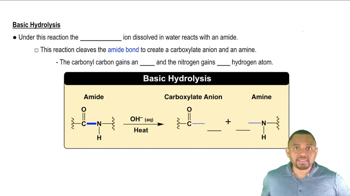
Basic Hydrolysis Concept 2

Hormonal Regulation

Hormonal regulation plays a crucial role in determining the fate of glucose 6-phosphate. Insulin promotes the conversion of glucose to G6P for storage as glycogen, while glucagon and epinephrine stimulate its hydrolysis to free glucose during periods of energy demand. This balance between hormones ensures that glucose levels remain stable in the body.
추천 영상:
가이드 코스
2:57
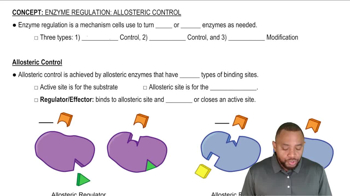
Allosteric Control Concept 1