Ch.22 Carbohydrate Metabolism
McMurry - Fundamentals of General, Organic, and Biological Chemistry 8th Edition
McMurry8th EditionFundamentals of General, Organic, and Biological ChemistryISBN: 9780134015187당신이 사용하는 게 아니라요?교과서 변경
22장, 문제 23d

Glucose 6-phosphate is in a pivotal position in metabolism. Depending on conditions, glucose 6-phosphate follows one of several pathways. Under what conditions do the following occur?
d. Glycogenesis

검증된 단계별 안내
1
Understand the term 'Glycogenesis': Glycogenesis is the process of synthesizing glycogen from glucose molecules. It occurs primarily in the liver and muscle cells and serves as a way to store glucose for later use.
Identify the role of glucose 6-phosphate: Glucose 6-phosphate is an intermediate in carbohydrate metabolism. It can be converted into glucose 1-phosphate, which is a precursor for glycogen synthesis during glycogenesis.
Determine the conditions for glycogenesis: Glycogenesis occurs when there is an excess of glucose in the bloodstream, such as after a meal. This is because the body needs to store the surplus glucose as glycogen for future energy needs.
Explain the hormonal regulation: Glycogenesis is stimulated by the hormone insulin, which is released by the pancreas in response to high blood glucose levels. Insulin activates enzymes like glycogen synthase, which catalyzes the formation of glycogen from glucose.
Summarize the metabolic context: Glycogenesis is favored in anabolic (energy-storing) conditions, such as during the fed state, when the body has sufficient energy and glucose availability to store as glycogen.

비슷한 문제에 대한 검증된 영상 답변:

이 영상 해법은 위 문제에 도움이 된다고 튜터들이 추천한 것입니다.
영상 길이:
6m
도움이 되었나요?

주요 개념

질문에 올바르게 답하기 위해 반드시 이해해야 하는 핵심 개념들은 다음과 같습니다.

Glycogenesis

Glycogenesis is the biochemical process of converting glucose into glycogen for storage, primarily in the liver and muscle tissues. This process occurs when there is an excess of glucose in the bloodstream, typically after meals, and is stimulated by insulin. Glycogenesis helps maintain blood sugar levels and provides a readily available energy source during periods of fasting or increased energy demand.

Insulin Regulation

Insulin is a hormone produced by the pancreas that plays a crucial role in regulating glucose levels in the blood. After eating, insulin is released in response to rising blood glucose levels, promoting the uptake of glucose by cells and stimulating glycogenesis. Understanding insulin's role is essential for comprehending how glucose 6-phosphate is directed towards glycogen synthesis under specific metabolic conditions.
추천 영상:
가이드 코스
2:57
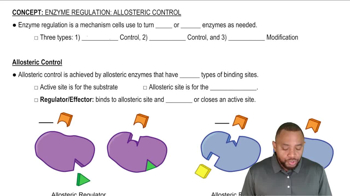
Allosteric Control Concept 1

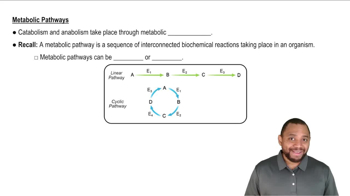
Metabolic Pathways

Metabolic pathways are series of chemical reactions occurring within a cell that lead to the conversion of substrates into products. Glucose 6-phosphate can enter various pathways, including glycolysis, gluconeogenesis, and glycogenesis, depending on the cell's energy needs and hormonal signals. The regulation of these pathways is vital for maintaining energy homeostasis and responding to physiological changes.
추천 영상:
가이드 코스
0:52
Metabolic Pathways Concept 2