뒤로
뒤로
문제 63d
Identify the stronger base in each pair. Explain your choice. Citing pKa values is not an acceptable answer.
(d)
문제 64a
Identify the stronger acid in each pair. Explain your choice. Citing pKa values is not an acceptable answer.
(a)
문제 65
Benzoic acid and phenol are insoluble in water. When sodium bicarbonate is added to the water, benzoic acid dissolves, but phenol does not. The addition of sodium hydroxide causes both to dissolve. On the basis of these observations, estimate the pKa of phenol. [The pKa of H2CO3 is 6.4.]
문제 66a
For each of the following molecules, predict the product that would form upon reaction of a single equivalent of a strong base.
(a)
문제 66b
For each of the following molecules, predict the product that would form upon reaction of a single equivalent of a strong base.
(b)
문제 66c
For each of the following molecules, predict the product that would form upon reaction of a single equivalent of a strong base.
(c)
문제 66d
For each of the following molecules, predict the product that would form upon reaction of a single equivalent of a strong base.
(d)
문제 66e
For each of the following molecules, predict the product that would form upon reaction of a single equivalent of a strong base.
(e)
문제 66f
For each of the following molecules, predict the product that would form upon reaction of a single equivalent of a strong base.
(f)
문제 67
Suggest a scheme by which N-methylmorpholine, salicylic acid, and naphthalene can be separated.
문제 68
A medicinal chemist needed to deprotonate acetylene ( HC≡CH ) for use in a coupling reaction. Among the options given, which base(s) could be used for this process?
문제 69
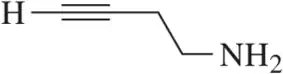
Amino acids exist predominantly in one of the following forms. Which is it? Explain your answer.
문제 70a
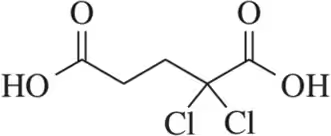
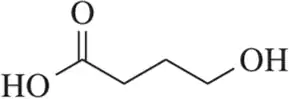
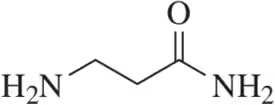
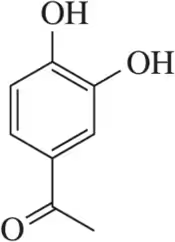
Using pKa values for the conjugate acids of the bases on each side of the reaction arrow, identify which side of the equilibrium would be favored in the following hypothetical reactions.
(a)
문제 70c
Using pKa values for the conjugate acids of the bases on each side of the reaction arrow, identify which side of the equilibrium would be favored in the following hypothetical reactions.
(c)
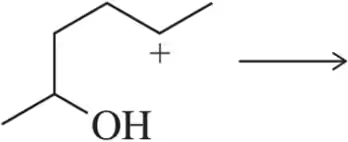
문제 72c
Predict the product of the following Lewis acid–Lewis base reactions.
(c)
문제 72d
Predict the product of the following Lewis acid–Lewis base reactions.
(d) [an intramolecular reaction]
문제 73c
Suggest an arrow-pushing mechanism for each of the following acid–base reactions
(c)
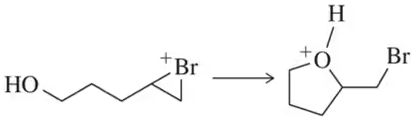
문제 73d
Suggest an arrow-pushing mechanism for each of the following acid–base reactions.
(d) [an intramolecular reaction]
문제 74
One of the more reactive species we will study in organic chemistry is the carbene (molecular formula of CH2). The carbene can react as both a Lewis acid and a Lewis base. Explain these properties.
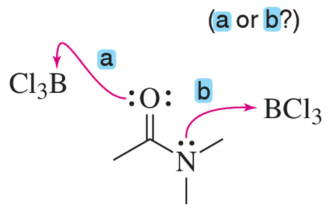
문제 75
BCl3 has an empty p orbital, so it is a strong Lewis acid. Would you expect an amide to react with BCl3 at nitrogen or oxygen?
문제 77
Consider the following drugs used to treat the indicated diseases. Would you expect the activity of these drugs to be impacted by a patient taking other medicines for acid reflux disease?
문제 78
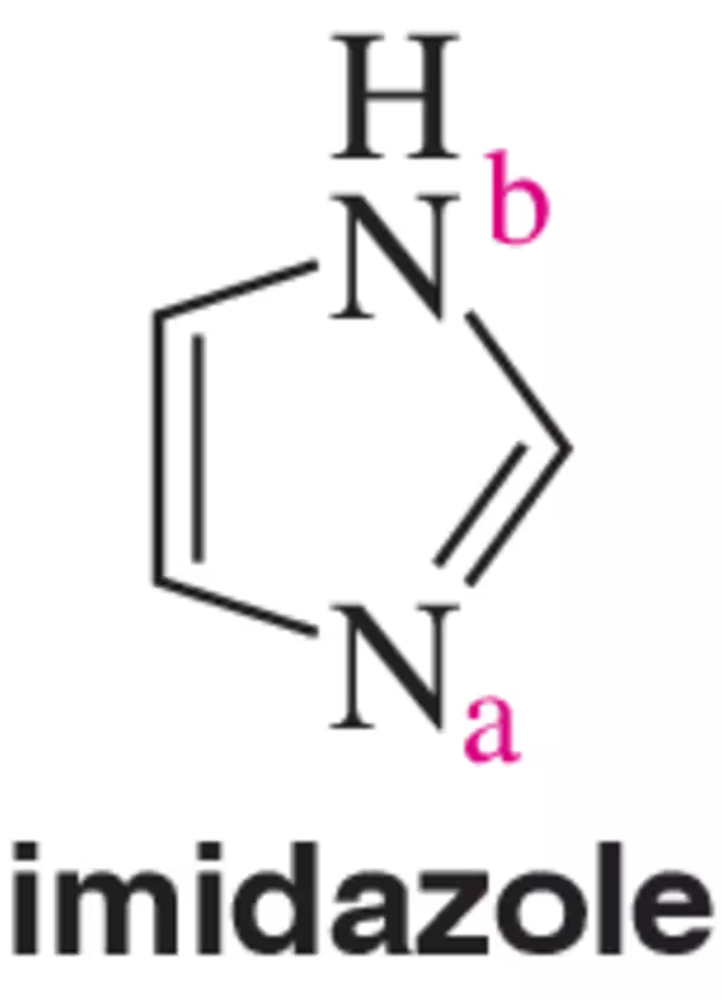
Imidazole has two potentially basic sites (a and b). Of the two, where would you expect a proton to add preferentially?
문제 79c
In addition to radicals, anions, and cations, a fourth class of reactive intermediates is carbenes. A neutral species, the simplest carbene has a molecular formula of CH2.
(c) Carbenes are Lewis acids. Based on your answers to (a) and (b), explain this observation.
문제 79d
In addition to radicals, anions, and cations, a fourth class of reactive intermediates is carbenes. A neutral species, the simplest carbene has a molecular formula of CH2.
(d) Carbenes are also Lewis bases. Based on your answers to (a) and (b), explain this observation.