뒤로
뒤로
문제 39a
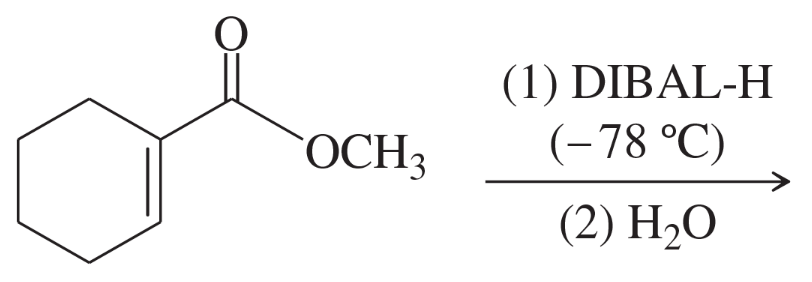
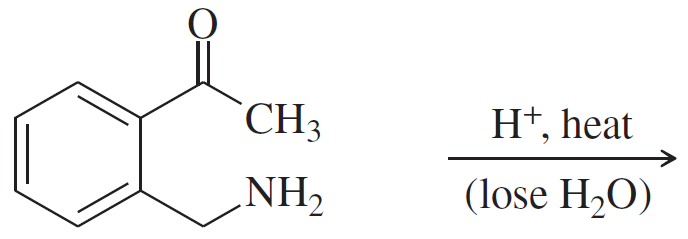
Predict the major products of the following reactions.
(a)
문제 39b
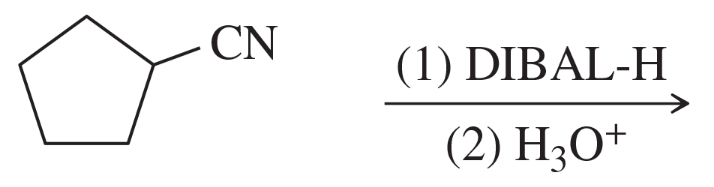
Predict the major products of the following reactions.
(b)
문제 39c
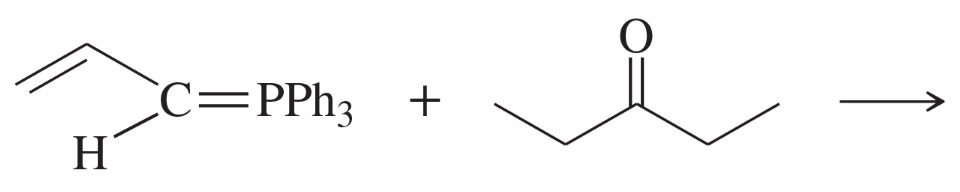
Predict the major products of the following reactions.
(c)
문제 39d
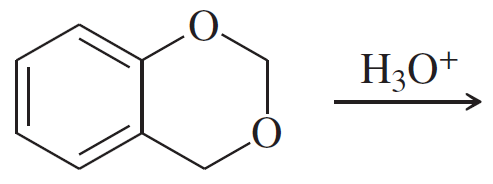
Predict the major products of the following reactions.
(d)
문제 39e
Predict the major products of the following reactions.
(e)
문제 39f
Predict the major products of the following reactions.
(f)
문제 39g
Predict the major products of the following reactions.
(g)
문제 39h
Predict the major products of the following reactions.
(h)
문제 39i
Predict the major products of the following reactions.
(i)
문제 39j
Predict the major products of the following reactions.
(j)
문제 40
Rank the following carbonyl compounds in order of increasing equilibrium constant for hydration:
CH3COCH2Cl ClCH2CHO CH2O CH3COCH3 CH3CHO
문제 41a
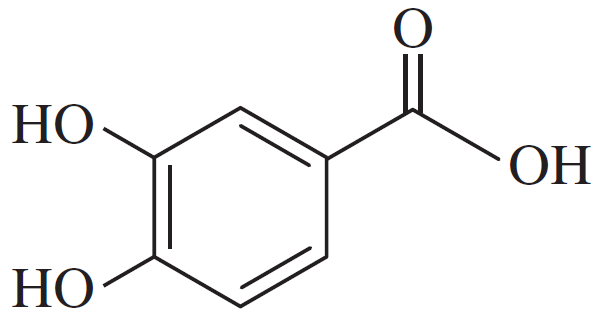
Acetals can serve as protecting groups for 1,2-diols, as well as for aldehydes and ketones. When the acetal is formed from acetone plus the diol, the acetal is called an acetonide. Show the acetonides formed from these diols with acetone under acid catalysis.
문제 41b
Acetals can serve as protecting groups for 1,2-diols, as well as for aldehydes and ketones. When the acetal is formed from acetone plus the diol, the acetal is called an acetonide. Show the acetonides formed from these diols with acetone under acid catalysis.
문제 41c
Acetals can serve as protecting groups for 1,2-diols, as well as for aldehydes and ketones. When the acetal is formed from acetone plus the diol, the acetal is called an acetonide. Show the acetonides formed from these diols with acetone under acid catalysis.
문제 45b
The following compounds undergo McLafferty rearrangement in the mass spectrometer. Predict the masses of the resulting charged fragments.
(b) 3-methylhexan-2-one
문제 47a
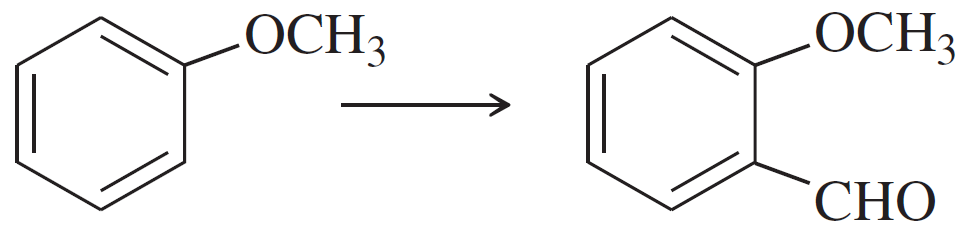
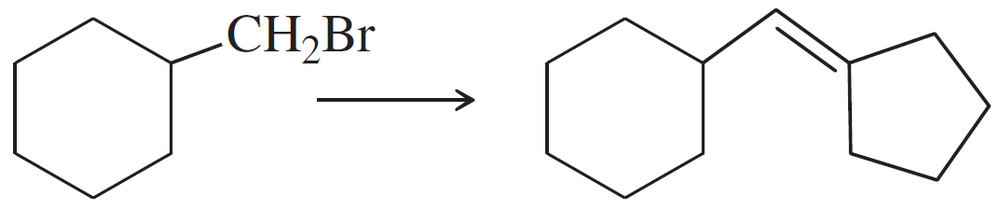
Show how you would accomplish the following synthetic conversions efficiently and in good yield. You may use any necessary additional reagents and solvents.
(a)
문제 47b
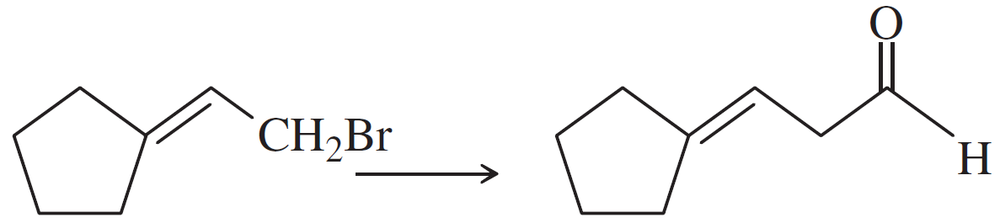
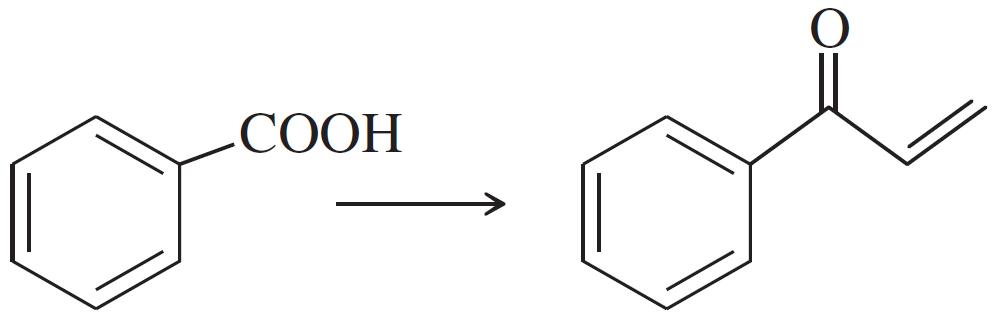
Show how you would accomplish the following synthetic conversions efficiently and in good yield. You may use any necessary additional reagents and solvents.
(b)
문제 47c
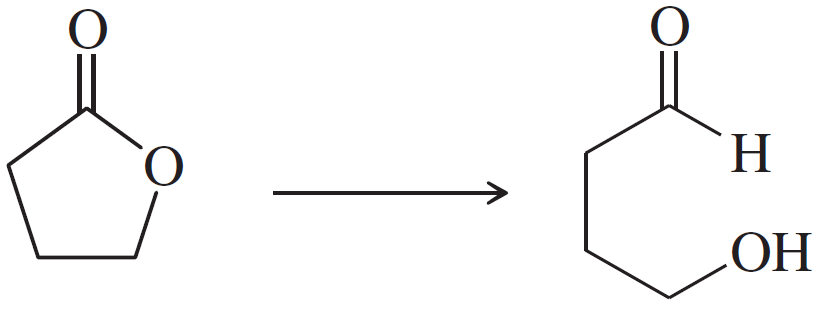
Show how you would accomplish the following synthetic conversions efficiently and in good yield. You may use any necessary additional reagents and solvents.
(c)
문제 47d
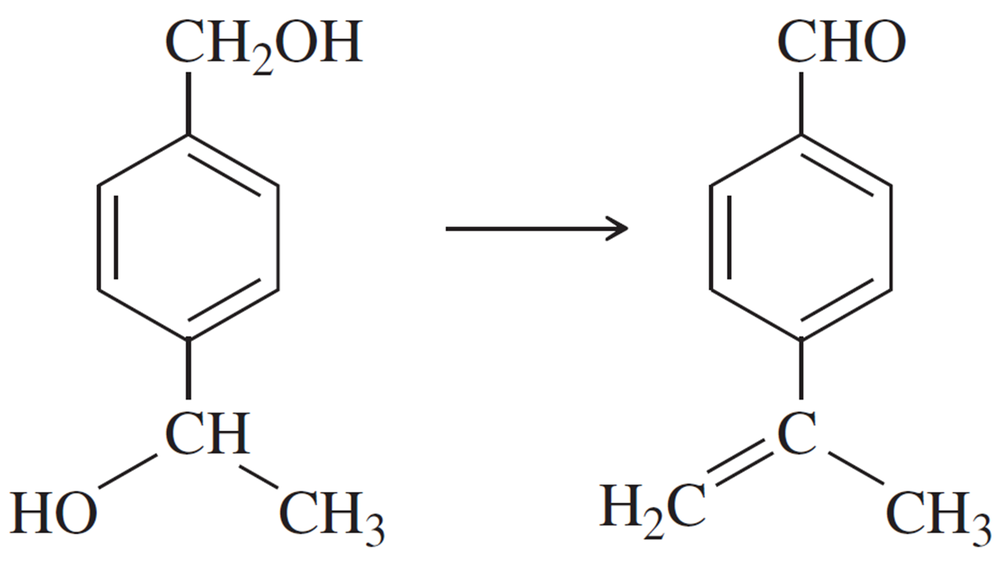
Show how you would accomplish the following synthetic conversions efficiently and in good yield. You may use any necessary additional reagents and solvents.
(d)
문제 47e
Show how you would accomplish the following synthetic conversions efficiently and in good yield. You may use any necessary additional reagents and solvents.
(e)
문제 47f
Show how you would accomplish the following synthetic conversions efficiently and in good yield. You may use any necessary additional reagents and solvents.
(f)
문제 47g
Show how you would accomplish the following synthetic conversions efficiently and in good yield. You may use any necessary additional reagents and solvents.
(g)
문제 47h
Show how you would accomplish the following synthetic conversions efficiently and in good yield. You may use any necessary additional reagents and solvents.
(h)
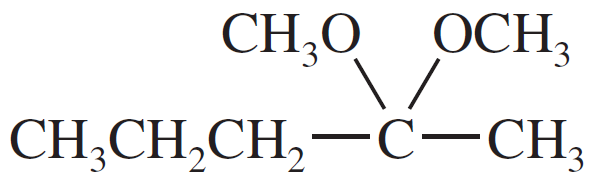
문제 49a
For each compound,
1. name the functional group.
2. show what compound(s) result from complete hydrolysis.
(a)
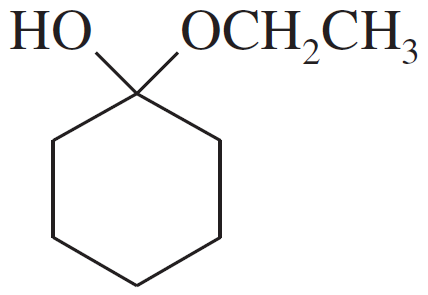
문제 49b
For each compound,
1. name the functional group.
2. show what compound(s) result from complete hydrolysis.
(b)
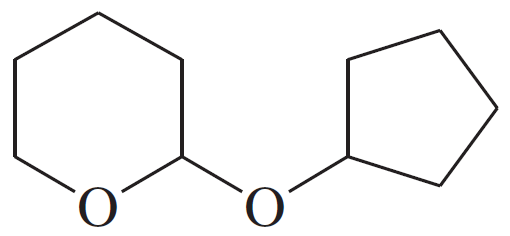
문제 49c
For each compound,
1. name the functional group.
2. show what compound(s) result from complete hydrolysis.
(c)
문제 49d
For each compound,
1. name the functional group.
2. show what compound(s) result from complete hydrolysis.
(d)
문제 49e
For each compound,
1. name the functional group.
2. show what compound(s) result from complete hydrolysis.
(e)
문제 49g
For each compound,
1. name the functional group.
2. show what compound(s) result from complete hydrolysis.
(g)
문제 49h
For each compound,
1. name the functional group.
2. show what compound(s) result from complete hydrolysis.
(h)