Here are the essential concepts you must grasp in order to answer the question correctly.
Biodegradation
Biodegradation is the process by which microorganisms, such as bacteria and fungi, break down organic matter into simpler substances. This process is crucial in sewage treatment, as it helps to decompose waste materials, reducing pollution and recycling nutrients back into the ecosystem.
Recommended video:
Anaerobic Digestion
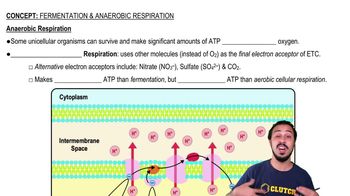
Anaerobic digestion is a biological process that occurs in the absence of oxygen, where microorganisms break down organic materials, such as sewage, to produce biogas. This biogas, primarily composed of methane, can be harnessed as a renewable energy source for heating and electricity generation.
Recommended video:
Microbial Fuel Cells
Microbial fuel cells (MFCs) are devices that use bacteria to convert organic matter directly into electricity. In the context of sewage treatment, MFCs can utilize the organic waste as fuel, generating electrical energy while simultaneously treating wastewater, showcasing a sustainable approach to waste management.
Recommended video:
Introduction to Microbial Genetics


 06:20
06:20