

How to teach fractions: fun for primary school students
by
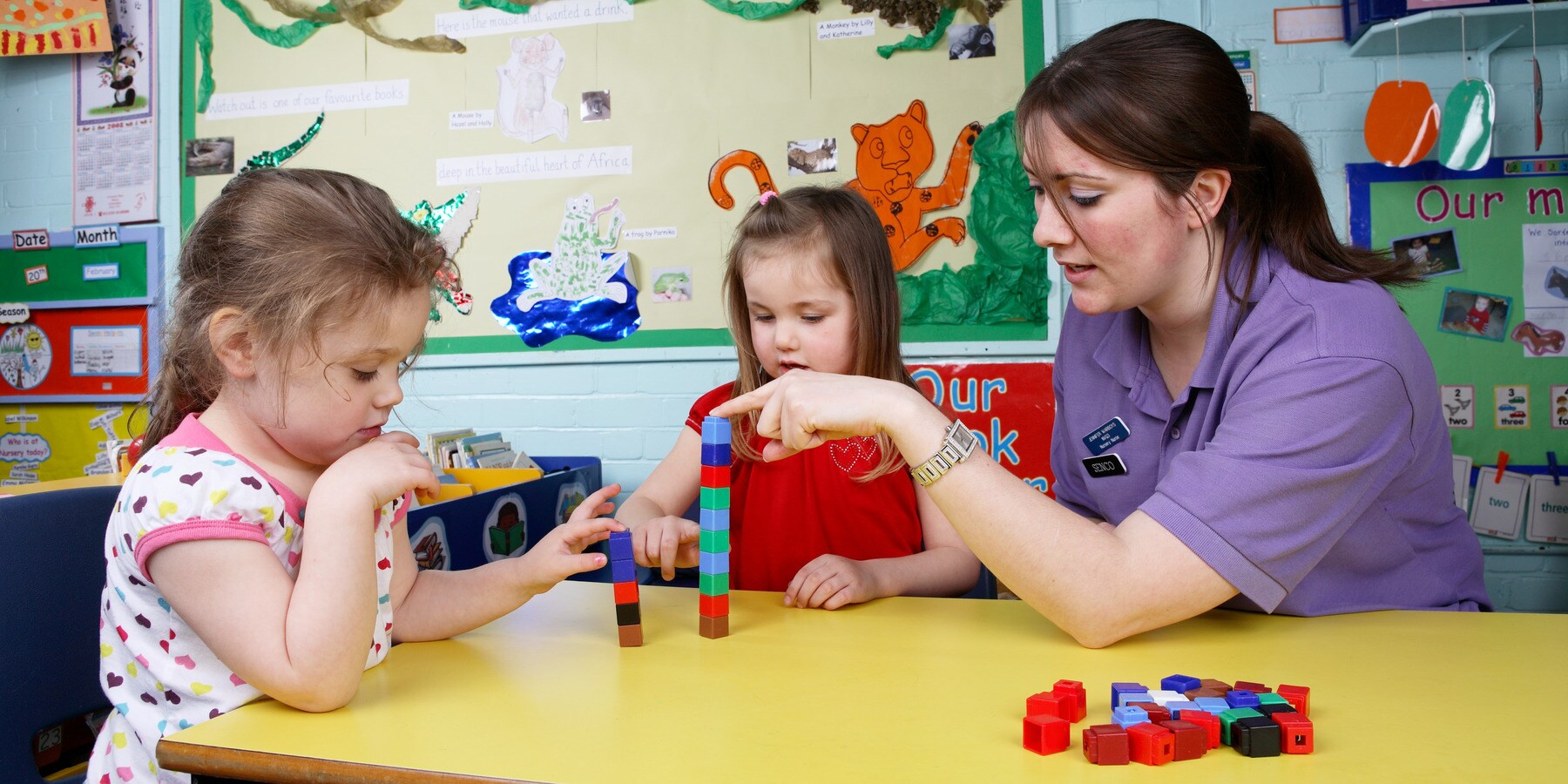
Take a look at how to teach fractions in a fun, impactful way for young learners.
Knowing how to teach fractions can be tricky. You may have exhausted the pizza metaphor and need some inspiration for fun classroom activities which give students the chance to practise adding and subtracting different fractions.
Fractions are some of the most important mathematical concepts young students can learn. Yet they’re challenging. A recent survey found that 61% of teachers believe their students know how to add fractions, 58% know how to subtract them. Less than 50% of teachers said their students know how to multiply and divide fractions.
The sooner your students get to grips with fraction rules, the stronger their foundation is for more complex equations. Below, we look at why primary students struggle with fractions, and offer tips to make learning as easy as (a slice of) pie!
Why are fractions difficult for young learners?
When first learning about fractions, your students could get confused about larger denominators. For example, they might think that ⅕ is larger than ⅓ because ‘5’ is more than ‘3’.
Adding fractions that have different denominators is also difficult. ½ + ¼ requires more steps to convert the fractions into the same denominator, which could confuse students.
With the pizza model, some students may get stuck on the idea that fractions are always less than 1 (because slices are being taken from a whole pizza). This ‘parts-of-a-whole’ thinking can limit students' understanding when they progress to adding and multiplying fractions in particular.
There’s also the abstract nature of fractions. For some students, it’s challenging to visualise or relate to fractions without tangible representation. Especially for younger ages, physical items that correspond to fractions are necessary.
Five activities for fraction learning
These are some of our favourite activities to learn about fractions, both inside and outside of the classroom.
1. Paper folding
As a class, give each student a piece of paper and ask them to fold it into equal parts. First, in half, then in quarters, in eights, and so on. This activity shows students that different fractions can be contained within other fractions, and that different folds can make the same fraction (e.g. a diagonal fold can create ½ the same as a horizontal fold).
Because students physically connect with the fractions they make, mathematical concepts become more concrete and easier to remember.
2. Fraction number lines
Draw a line on the whiteboard – or on a display board – and hand out cards with different fractions written on them to students. Have students place each card on the line in a position that corresponds to the fraction they have. For instance, ½ goes in the middle of the line.
This activity helps students develop a sense of fractions sizes, even when the denominators are different. They could see, for example, that ¾ should be placed earlier on the line than ⅘.
3. Games and puzzles
Interactive games provide great opportunities for learning about fractions in a more dynamic style. With games like fraction dominoes, memory games, and fraction matching boards students have to align picture representations of fractions with their numerical form. These activities can inspire some healthy competition, get students moving and reduce fraction anxiety.
Students can also experiment with fractions in games, as the low-pressure environment lets them take risks and make connections with more challenging fractions.
4. Cooking and measuring activities
Cooking is a real-life way to put fractions into action. Either as a class or individually, ask students to follow a simple recipe, measuring out ingredients in fractions. You could give specific instructions that require them to add and find equivalents for fractions, for example, by telling students to double or half a recipe.
As students can see the changes in quantity, they can comprehend the size of fractions and recognise that fractions really are everywhere in life.
5. Fraction art projects
Often we think that fractions and art are separate, but the two complement each other well in the classroom.
Share with your students colour-by-fraction sheets, where they have to fill spaces according to the fraction being shown. You could also have them create mandala designs or geometric patterns that reflect fractions through symmetry.
This activity allows students to build strong mental models of fractions, all while expressing their creativity.
Tips for teachers
There are a number of steps you can take to ensure that your students become confident, flexible thinkers about fractions.
To start, use consistent visual representations when teaching fractions. Implement a classroom ‘visual vocabulary’ when talking about fractions – that could be the number line mentioned above or the pizza model. Whatever you choose, keep coming back to it when discussing fractions, so students create stronger connections between the fractions that are written and what they convey.
Try not to introduce multiple visual representations, which could overwhelm students.
It’s also important to remind students that fractions are numbers, not just parts of shapes. Students can easily misconceive that fractions are different to ‘real’ numbers. To counter this thought, regularly ask students to put fractions on the number line or ask them which fractions are bigger than others. Doing so reinforces that fractions are quantifiable and fit into general mathematical principles.
As your students advance, link fractions to concepts like ratios and percentages. For example, sharing that ½ is the same as 50% prepares students for more complex fraction use. You don’t need to exceed the level of understanding that your students have, but these connections prevent fractions from being isolated skills.
Fractions are fun!
By rooting how you teach fractions in playful, real-world contexts, you can boost students’ understanding and interest. And, by making fractions more accessible, you set students up to grasp more complex (but fundamental) approaches to maths down the line.
Further reading
Get more ideas to make maths cool and comprehensible! Read Maths games for children and parents to play together, Why your students need to learn frustration tolerance and Maths anxiety and the role parents can play.

Grace Brennan
Grace Brennan is a journalist specialising in educational content, focused on current trends in education, innovative classroom practices, and strategies for engaging students in learning.