How to teach students to be global citizens

Jeanne Perrett
Jeanne Perrett
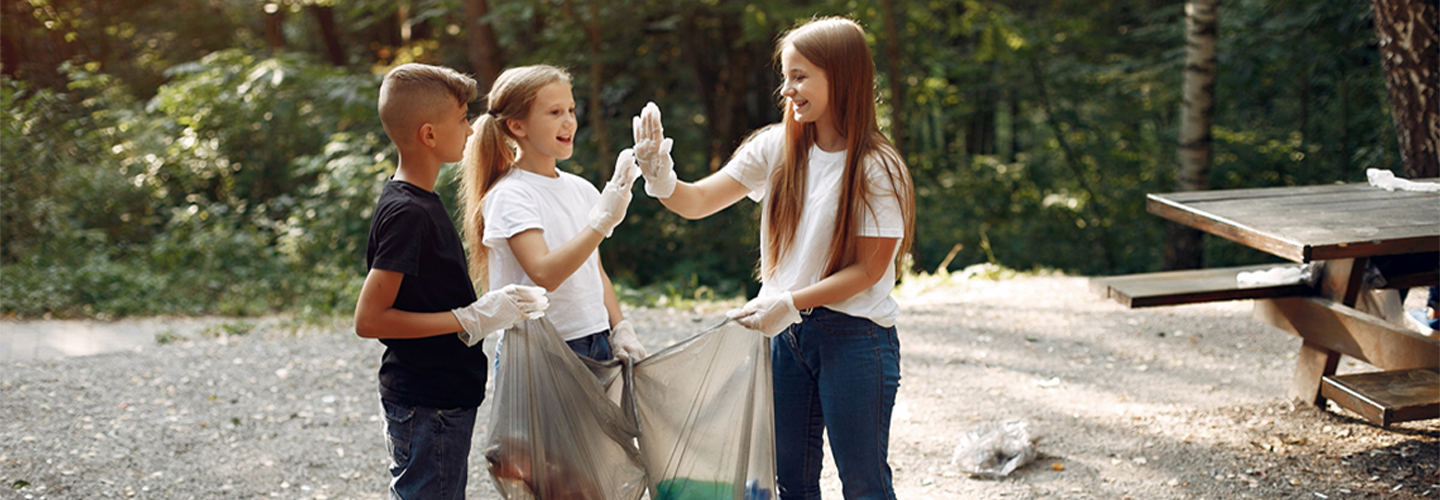
Children working together outdoors picking up litter
Reading time: 4.5 minutes

As teachers, we all want our students to work toward making the world a better place. Through focusing on global citizenship, this drive to change the world is something we can help foster every day in the classroom. In this post, we’ll explore how.

What are global citizens?

 A global citizen is someone who knows that they are part of a worldwide community. They understand that there are people who have completely different lifestyles, appearances, cultures and routines but with whom we share common values and responsibilities. Global citizenship encourages tolerance and understanding, and learning about it helps children become open-minded adults.  

In a primary English classroom, helping students become aware of themselves as citizens of the world will introduce them to a global way of thinking. We can do this while also helping them become familiar with, and proficient in, English.  

How can we introduce the concept?

Before students put themselves in a global context, they should get to know themselves as individuals. But they should also get to know themselves as people who are part of their immediate communities.  

In the classroom, this can be done by encouraging students to think about something personal, such as their likes and dislikes. We can then encourage students to look a little further: What kinds of homes do they see in their communities? What makes a house a home to them? What about people working in their communities — what important jobs do they do, and how do they make an impact? 

For language teachers, the idea is to combine vocabulary and grammar structures with a slowly widening view of our world. Simply by introducing the concept that we are part of a worldwide community can take the children out of their own experiences and help them start to consider others.

Tips and activities

Social media makes it possible for teachers to contact each other across borders and to collaborate between their schools. Something simple, like organizing a class video call for students after lunchtime and encouraging students in different countries to discuss what they ate in English, can help learners become more globally aware. 

How can we teach students to be proactive?

Once students know something, they can progress to putting their knowledge into action. Teachers can foster this by encouraging good habits – a simple example is how we teach very young children to throw their litter in a bin. As they grow older, we can ‘unpack’ these habits. That is, we can help children look deeper into why they're so important. Using the example of litter again, this could mean making students aware about how their civic responsibility has a real environmental impact. 

Let’s look at how we can go from knowing to doing, in simple stages, with a range of topics that are common in the language classroom: 

Food

  • Ask students to think about what they like and dislike. 
  • Ask students to name foods that are good for us and what we should eat more of. 
  • Teach about school lunches in other countries. 
  • Teach about dishes eaten on special occasions around the world. 
  • Have a food festival or ‘munch day’ where students make snacks from around the world.

Buildings

  • Ask students to talk about their own homes. 
  • Teach about types of homes in other countries. 
  • Discuss eco-architecture – such as solar panels, living walls, wind turbines on roofs, and local materials that might be used in building processes.  
  • Venture outside as a class to plant potted flowers and improve the school yard or make a container to collect rainwater for the school garden. 

Jobs

  • Teach about the jobs people do at school – such as cleaning, cooking, or driving. 
  • Think about jobs within the community and why they are necessary. 
  • Think about what skills each child and their parents have and how these skills are needed for different jobs. 
  • Have a skill-sharing day where students teach each other something new.  
  • Host a ‘kids take over day’ where students get to do an important job at school (such as cleaning the classrooms or serving lunch). 

Technology

  • Discuss the different types of technology used at home and school. 
  • Think about how to use this technology responsibly.  
  • Talk about different households and find out how and when tablets, laptops and phones are used. For example, who is allowed to watch videos while eating? Who can read on their tablet in bed? 
  • Make your own set of technology rules for the classroom and discuss why they’re important. 

Holidays

  • Ask students what they like to do on holiday.
  • Teach about how to stay safe at the ocean or in the countryside.
  • Talk about other countries students have travelled to or would like to travel to and learn about interesting landmarks in those countries.
  • Discuss eco-tourism efforts and why they are important.
  • Have a ‘Let’s go to [name of a city or country) day.’ Make posters about famous sights, learn some phrases of the language spoken there and have students imagine they have gone abroad for the day.

Sharing the message 

The United Nations has set out a collection of 17 global goals, called the Sustainable Development Goals (SDGs), which aim to create a better future by 2030. They address issues like gender equality, hunger and poverty and can be an excellent resource for teachers to use in the classroom when discussing how global citizenship can help to improve our world.  

Teachers can encourage students to spread the message about SDGs in various ways. For example, students can:  

  • Give speeches – at school or in the local community. 
  • Begin a fundraising campaign. 
  • Write letters to politicians.

Teaching students to be global citizens may sound like a big task. However, through weaving these ideas through language lessons, teachers have the opportunity to plant an important seed in students. Because who knows, they may really grow up to change the world. 

More blogs from Pearson

  • A parent and child sat on a sofa looking at a laptop smiling
    Four steps to make sure the transition back to school goes well
    By Donatella Fitzgerald MBE
    Reading time: 4 minutes

    As a new school year begins, teachers and parents share the same goal: helping students return to learning with confidence.

    After the long summer break, many learners are excited to see their friends again, but getting back into a school routine isn't always easy. Some students may be starting a new class, meeting a new teacher or preparing for important exams. For English language learners, returning to the classroom can also mean rebuilding confidence in using English every day.

    A smooth transition back to school can help students feel more settled, engaged and ready to learn. Here are four practical ways teachers and families can support learners as they start the academic year.

    1. Be organized and create routines

    "Organizing is what you do before you do something, so that when you do it, it's not all mixed up." – A. A. Milne

    Strong routines help students know what to expect and reduce unnecessary stress during the first few weeks of school.

    At home, families can hold a "back-to-school meeting" to agree on routines for the year ahead. This could include:

    • Getting school bags and clothes ready the evening before
    • Setting regular homework times
    • Planning family mealtimes
    • Making time for exercise and relaxation

    When everyone has a chance to contribute, it helps build routines that are realistic and easier to stick to. Writing these routines on a family planner or wall chart can also help everyone stay on track.

    For English language learners, consistent routines can be especially helpful. Predictable study times create regular opportunities to practise reading, speaking or reviewing vocabulary, helping students build confidence throughout the school year.

    2. Start bedtime routines early

    "Early to bed and early to rise, makes a man healthy, wealthy, and wise." – Benjamin Franklin

    Good sleep plays an important role in students' wellbeing, concentration and learning.

    After the holidays, it can be difficult to switch from late nights back to early mornings. Rather than making sudden changes, encourage families to gradually move bedtimes earlier by 30 to 60 minutes over several days before school starts. This makes the adjustment much easier for everyone.

    Reducing screen time before bed can also improve sleep quality. Ideally, children and adults should avoid screens for at least 30 minutes before going to sleep.

    Well-rested students are more likely to stay focused, participate in class discussions and retain new vocabulary and language skills.

    3. Talk about homework and teach organizational skills

    "When it's obvious that the goals cannot be reached, don't adjust the goals, adjust the action steps." – Confucius

    Organization is a skill that develops over time and can make a significant difference to students' success.

    As homework increases throughout the school year, parents and teachers can work together to help students develop good study habits.

    Encourage learners to:

    • Break homework into manageable tasks
    • Create a weekly study plan
    • Prioritize more challenging work when they have the most energy
    • Set realistic goals for completing assignments

    Introducing SMART goals can also help students take ownership of their learning:

    • Specific – What exactly will they do?
    • Measurable – How will they know they've succeeded?
    • Achievable – Is the goal realistic?
    • Relevant – How does it support their learning?
    • Time-bound – When will they complete it?

    Creating a quiet, organized study space at home also helps students stay focused. Parents can support learners by being available to answer questions, encouraging effort and celebrating progress—not just results.

    For English language learners, homework routines might also include reading for a few minutes in English each day, reviewing vocabulary or practicing speaking with family members or classmates.

    4. Make mealtimes quality family time

    "Kids who grow up having family dinners, when they're on their own, tend to eat more healthily." – Anne Fishel

    Busy schedules can make it difficult for families to spend time together, but sharing a meal provides a valuable opportunity to connect and talk about the day.

    Simple conversations help children reflect on their experiences and build confidence expressing themselves. Families might ask questions such as:

    • What did you enjoy at school today?
    • What made you laugh today?
    • What was something new you learned?
    • Was there anything you found challenging?

    Listening carefully and giving children your full attention shows that their thoughts and feelings matter. Even if weekday meals aren't always possible, planning time together at weekends can have lasting benefits.

    For students learning English, these conversations can also provide valuable opportunities to practice new words, describe their day and build confidence communicating outside the classroom.

    Help students start the year with confidence

    Returning to school is about more than buying new supplies or preparing lesson plans: it's about helping students feel ready to learn.

    By establishing routines, encouraging healthy habits, supporting independent study and making time for meaningful conversations, teachers and families can work together to create a positive start to the school year.

    Small, consistent actions during the first few weeks can help students settle in more quickly, rebuild confidence and develop habits that support successful learning throughout the year.

  • A man sat at a laptop studying in a library holding a pen and paper
    Do at-home tests lack real support?
    By Alice Bazzi
    Reading time: 2 minutes

    One of the most persistent concerns around at-home English testing is the perception that candidates are left largely on their own, having to navigate systems, troubleshoot issues and manage the entire experience without any meaningful support. For students already under pressure, this assumption can create hesitation and, in some cases, discourage them from choosing remote testing altogether. But today’s at-home testing experience looks very different. 

    Online tests like PTE Express provide clear, accessible preparation materials that include detailed guidance, checklists and FAQs that walk candidates through every requirement. This ensures there is no ambiguity around what is expected, from technical setup to testing conditions. 

    Before the test starts, candidates are guided through comprehensive system readiness checks. These verify:

    • Device compatibility
    • Internet stability
    • Audio and camera functionality
    • Environmental suitability

    This proactive step is vital. It significantly reduces the likelihood of disruptions on test day and ensures candidates can begin their session with confidence, knowing that everything is set up correctly.

  • A man sat in a pod chair working on laptop
    A teacher's guide to safe and ethical AI use for students
    By Charlotte Guest
    Reading time: 5 minutes

    Artificial Intelligence (AI) is becoming a normal part of education. Many students now use AI tools like ChatGPT, Gemini and Microsoft Copilot to help with homework, writing, studying and even learning new languages.

    These tools can be very helpful, but they also bring new challenges. Some students use AI to improve their understanding, while others may rely on it too much or copy its answers without thinking.

    Teachers have an important role to play. Instead of telling their students not to use AI, they can teach them to use it use it safely, responsibly and ethically. When students understand both the benefits and the risks, they can use AI to become better learners rather than simply finding shortcuts.

    What does ethical AI use mean?

    Ethical AI use means using AI in a fair, honest and responsible way.

    Students should think of AI as a learning assistant, not as someone who completes their work for them. AI can explain grammar, suggest vocabulary, give writing feedback or help students practise conversations. However, students should still make their own decisions, solve problems and create their own work.

    A simple rule to remember is:

    Use AI to support your learning, not replace it.

    This mindset helps students develop real language skills and become more confident learners.

    Talk openly about AI in the classroom

    Many students are already using AI, whether teachers ask them to or not. Because of this, it's important to create an open and honest conversation about AI rather than ignoring it.

    When students know they can ask questions without being judged, they are more likely to use AI responsibly. Explain when AI is helpful, when it should not be used and why learning still requires effort and practice.

    Every school may have different rules about AI, so make sure your students understand your expectations. If everyone knows what is allowed and what is not, there is much less confusion.

    Show students how AI can support learning

    AI works best when it helps students think, practice and improve.

    For example, students can ask AI to:

    • Explain difficult grammar rules
    • Create vocabulary quizzes
    • Suggest speaking questions
    • Practice everyday conversations
    • Check writing for grammar and spelling mistakes
    • Rewrite a text using simpler or more advanced English
    • Generate ideas before starting a writing task

    These activities encourage active learning because students are still involved in the process.

    However, AI should not be used to write essays, complete homework or answer exam questions without the student's own effort. If AI does everything, the student misses valuable opportunities to practice and improve.

    Protect students' privacy

    One of the most important lessons teachers can share is how to protect personal information online.

    Students should understand that AI tools may store conversations or use them to improve their systems. Because of this, they should never share private or sensitive information.

    Remind students not to enter:

    • Full names
    • Home addresses
    • Phone numbers
    • Passwords
    • Personal photos
    • School records
    • Private information about friends or family

    Instead, encourage students to use general examples when asking questions.

    For example, instead of sharing a real student's name in a piece of writing, they can simply say "the student" or create a fictional example.

    Learning to protect personal information is an important digital skill that goes beyond using AI.

    Teach students to question AI's answers

    AI is impressive, but it is not perfect.

    Sometimes AI gives incorrect information, misunderstands a question or even invents facts and references. Because AI often sounds confident, students may believe everything it says without checking.

    This is why critical thinking remains essential.

    Encourage students to ask themselves questions such as:

    • Does this answer make sense?
    • Can I find the same information somewhere else?
    • Would my teacher agree with this explanation?
    • Have I understood the answer or am I just copying it?

    Helping students develop these habits will make them stronger learners long after they leave the classroom.

    Encourage honesty and responsibility

    Being honest about AI use is an important part of academic integrity.

    If students use AI to brainstorm ideas, improve grammar or practice vocabulary, that can be a positive learning experience. However, they should not pretend that AI-generated work is completely their own if school policies require them to explain how AI was used.

    Teachers can make this easier by clearly explaining what is acceptable in different activities. For example, AI might be allowed for homework planning but not during assessments or exams.

    When expectations are clear, students are more likely to make responsible choices.

    Create simple classroom AI guidelines

    Instead of giving students a long list of rules, try creating a short classroom agreement together.

    You could ask students questions like:

    • When is AI useful?
    • When should we avoid using AI?
    • What does responsible AI use look like?
    • How can AI help us become better language learners?

    Together, you can create a simple agreement such as:

    • I will use AI to help me learn.
    • I will think before accepting AI's answers.
    • I will check important information.
    • I will not copy AI work and claim it as my own.
    • I will protect my personal information.
    • I will ask my teacher if I am unsure.

    When students help create the rules, they often feel more responsible for following them.

    Remember that teachers are still essential

    Some people worry that AI will replace teachers. In reality, AI cannot replace the human side of teaching.

    Teachers motivate students, answer unexpected questions, understand emotions and adapt lessons to meet individual needs. They encourage creativity, build confidence and create meaningful relationships in the classroom.

    AI can provide information, but it cannot replace encouragement, empathy or the experience that teachers bring every day.

    The best classrooms will combine the strengths of both teachers and technology.

    Supporting safe AI use in language learning

    AI is likely to remain an important part of education and language learners can benefit greatly from using it effectively. Instead of seeing AI as something to fear, teachers can help students understand how to use it safely, ethically and responsibly.

    By encouraging critical thinking, protecting privacy, promoting honesty and showing students how AI can support learning rather than replace it, we prepare them for a future where technology plays an important role.

    The goal isn't to stop students from using AI. The goal is to help them become confident, independent learners who know how to use these powerful tools wisely. With clear guidance from teachers, AI can become a valuable learning partner as students continue to develop the language skills and critical-thinking abilities they need for success.