
生徒 英語 自宅で読むことを学ぶ3つの方法

Kate Fitzpatrick
外で本を読みながら読書をする女性
所要時間: 4分間

英語を早く学びたい場合は、自宅でもっと読む:習慣を身につけるための3つの方法

世界中の親、ELT学習者、教師が「 英語 生徒が家で楽しみながら読むことを学ぶことが役立つことはわかっているが、どうやって時間を見つければいいのだろう」と考えているのが聞こえます。これらの材料は誰が買っているのですか?親が自分自身 英語 話さない場合はどうなりますか?

それが自宅での読書の美しさであり、多読とも呼ばれ、完全に自律的であり、親が好きなだけ関与することができます。それはあなたの子供や学生のための広範なリーダーの選択を集めることがかつてないほど安くなったので、コストがもはや自宅で読むことの障壁としてそれほど多くないことを意味するので、良いニュースがあります。

多読は、 英語を学ぶために本当に重要なのでしょうか?

スティーブン・D・クラシェンの『 読書の力』[1]  は、世界中の広範な読書研究の素晴らしい要約と批評を提供し、次のように結論付けています。

「(第二言語学習者が)楽しみのために本を読むと、授業や教師、勉強、さらには会話する相手がいなくても、第二言語で上達し続けることができます。」(クラッシェン、1993、p.84)

フィリップ・プラウズの優れた記事「多読の秘密は何ですか?」[2]はKrashenの結論に同意します。

プラウズは、一次、二次、成人レベルでの有効性研究についてより詳細に説明しています。この一連の証拠は、楽しみのために読書をすることで、従来の教科書と並んで、または従来の教科書の代わりに、文法、ライティング、スピーキング、流暢さ、理解力、語彙が向上することを示しています。

ですから、私たちはそれがうまくいくことを知っています。教育関連の多くの事柄と同様に、問題はそれらをどのように実装するかです。クリスティン・ナトールは、読書の好循環について語っています - 学習者が読書を楽しみ始めると、彼らはより多くを読み、それからより多く利益を得る可能性が高くなり、より多くを読むことを学びます。

その逆もまた真なりです。次に、質問が続きます:彼らが母国語で読まない場合、Instakidsが 英語で家で読むようにどのように動機付けますか?旅行、仕事、学校、宿題の合間に時間をどのように捻出すればよいのでしょうか?ここでは、自宅で読書の習慣を身につける3つの方法をご紹介します。

1. 学習者 それを使用するには、自宅で広範な読み物にアクセスする必要があります

クラッシェンは、1983年から2003年までの5つの研究に基づいて、この常識的な事実を立証している。[2] 読書アプリ、オンライン図書館の購読、隅っこに山積みになっている読者など、それが何であれ、生徒にとって適切なレベルであり、興味のあるトピックでなければならず、そうでなければ、楽しみのために読むことを学ぶことはできません。

ネガティブな読書習慣は、単に学習者が利用できるものがあまりないという理由だけで起こり得ます:ワージーとマックールは、1998年に「読書が嫌い」な11人の6年生を調査し、それらの生徒と家庭での読書教材の不足との間に直接的な相関関係があることを発見しました。[3] ありがたいことに、以前よりも多くの選択肢が使えるようになりました。

オンラインでの多読のために、Extensive Reading Foundationは、その Webサイトで、オーディオと印刷物で高品質の無料の資料を提供しています。これらのテキストリソースとオーディオブックは非常に基本的な傾向があり、ストーリーは主に古典的です。レベルやジャンルで選ぶことができ、出版社名簿もあります。

  • Kindleストア、iBookstore、Google Playで Pearson English Readers 版や他の出版社のKindle版を購入し、Kindleアプリを使用して電子書籍リーダー、携帯電話、タブレットで読むことができます。これらは、細かく採点された、現代的で関連性のある電子書籍で、次のようなタイトルが付けられています
>シャーロック・ホームズ、オペラ座の怪人、 新しいタブが開きます。>マーティン・ルーサー・キング、リングマイケル・ジョーダンスターになりたい人、世界を変えた発明カンタビルの幽霊
  • 電子書籍ライブラリのサブスクリプションは、ブラウザを介してオンラインで多くの電子書籍にアクセスするための費用対効果の高い方法です。 Xreading は、評判の良い出版社から数百冊の全文を採点されたリーダーを提供する日本運営のオンラインライブラリで、年間約19ドルの料金がかかります。
  • 印刷リーダーにとって、コストが問題になる可能性があります。ピアソンのような出版社から地元の書店で読者を買うことができない場合は、アマゾンやブックデポジトリーから直接または中古の読者を安く購入することができます、または、古い本の一部を家に持ち帰ることができるかもしれないので、彼らが彼らのリーダーライブラリをアップグレードしているときにあなたに知らせるようにあなたの学校に頼むことができます。
  • 2.通勤や学ランを最大限に活用する

    ここで重要なのはルーチンです - 試してみて、それがあなたにとってうまくいくかどうかを確認してください。読書はページ上で行われるだけではありません。 Todayの 英語 学習者は、さまざまなデバイスや印刷物で楽しみのために読むための複数の方法を持っており、そのすべてが電車/バス/車内/徒歩で読んだり聞いたりするのに適しています。

    電車で通勤しながらポッドキャストを聴いていますが、今でも、母が小学校に通う車の中で再生していたテープのおかげで、九九を知っています。

    • ポッドキャストやオーディオブックをダウンロードする。理想的には、 英語 学習者は読むことと聞くことの両方を行いますが、どちらか一方が何もないよりはましです。Audible.com には、オーディオブック形式で 英語 広範な読者がたくさんおり、年間のメンバーシップは月額10ドルですが、個々のオーディオブックを購入することもできます。iTunesには、それぞれ4.99ドルで利用できるクラシックな多読ポッドキャストがあります。
    • 公共図書館を過小評価してはいけません。Overdriveは、世界のどこにいても、あなたのために地元の図書館を見つけるオンラインサービスです。また、タイトルで検索して、その特定の本を扱っている図書館を確認することもできます。考えてみてください:あなたは毎月変わる無料の即時の広範な読書図書館をあなたの家に作成することができます。

    3. 報酬の力を考える

    お子さんにご褒美をあげたり、読書の習慣を身につけた自分にご褒美をあげたりすることができます。覚えておいていただきたいのは、私たちは好循環を始めることについて話しているということです。それは、学習者が楽しみのために 英語 で読むという新しい習慣を始めるように説得することです。報酬メカニズムは非常に効果的です。

    この考え方は、ケースバイケースで検討する必要があります - それはあなたやあなたの子供が何に最も反応するかによります。私の意見では、読書の習慣を始めることは、ワインを飲んだり、チョコレートのお菓子を食べたり、ビデオゲームで30分余分に遊んだりする価値が十分にあります。

    参照

    [1] Krashen、Stephen D.(2004)読書の力:研究からの洞察、第2版、p57

    [2] フィリップ・プラウズ:「多読の秘密は何ですか?」

    [3] ワージー、J.とマックール、S.(1996):"

    view_op=view_citation&hl=en&user=AM2p9IoAAAAJ&citation_for_view=AM2p9IoAAAAJ:zYLM7Y9cAGgC" target="_blank">読むのが嫌いだと言う学生たち:機会、選択、アクセスの重要性」 同上、p61

    Pearson からの他のブログ

    • A teacher stood in front of a whiteboard teaching a class
      Lesson tips for Special Educational Needs
      投稿者 Richard Cleeve
      所要時間: 5 minutes

      Creating an inclusive classroom is essential for helping every student reach their full potential. Students with Special Educational Needs (SEN) and neurodiverse learners bring unique strengths, perspectives and ways of thinking to the classroom. However, many teachers feel unsure about how to adapt lesson plans to effectively meet diverse learning needs.

      By implementing inclusive teaching strategies, educators can create engaging learning environments that support students with ADHD, dyslexia, autism spectrum disorder (ASD), anxiety disorders and other learning differences. These approaches not only benefit neurodiverse learners but often improve engagement and outcomes for the entire class.

      Drawing on insights from experienced SEN Coordinator James Laidler, this post explores practical lesson planning strategies that can help teachers create more accessible, supportive and effective learning experiences. Many of these tips are also great for keeping all students engaged, SEN or otherwise.

      Defining Special Educational Needs

      A child has Special Educational Needs (SEN) if they have a learning difficulty or disability that calls for special educational provision. Learners with conditions such as autistic spectrum disorder (ASD), attention deficit hyperactivity disorder (ADHD), dyslexia, dyspraxia or anxiety disorders come under this framework.

      Inclusive lesson tips for neurodiverse students

      Although teachers want to create inclusive lessons, many feel ill-equipped to support neurodiverse students. To help, James offers some tips for lesson planning that aim to turn learning diversities into strengths.

      Attention Deficit Hyperactivity Disorder (ADHD)

      ADHD is a condition that can include symptoms such as inattentiveness, hyperactivity and impulsiveness. Students with this disorder may have a short attention span, constantly fidget or act without thinking.

      Lesson tips for ADHD students:

      Movement breaks – Students with ADHD may struggle to sit still for extended periods of time. Include short breaks in your lessons that offer them the opportunity to get up and move around at regular intervals.

      Group work – To keep learners active and engaged, include group work in class. This means they don’t have to focus on the board for too long.

      Dramatize lessons – A really effective activity is to bring drama into the classroom. For example, students can act out role plays or other fun drama-based activities. It keeps them motivated, holds their attention and can be fun for all of the class.

      Dyslexia

      Dyslexia primarily affects the skills involved in accurate and fluent reading and spelling. It may affect a person’s phonological awareness, verbal memory and verbal processing speed.

      Lesson tips for dyslexic students:

      Visual aids – Learners with dyslexia tend to have excellent visual memories. Try bringing in pictures to illustrate ideas or add them to lengthy texts to help students when doing reading comprehension exercises.

      Font and spacing – When setting reading tasks, simply changing the font, enlarging the font size and double-spacing are hugely beneficial to dyslexic students. Simply adapting the text can make their learning experience much easier.

      Text-to-speech software – Using specialized text-to-speech software often provides significant support to those who struggle with reading or digesting text on computer screens. Tools such as ClaroRead or Kurzweil 3000 can help improve accessibility.

      Autism Spectrum Disorder (ASD)

      ASD is a developmental condition that involves challenges in social interaction, speech and nonverbal communication, as well as restricted or repetitive behaviors. The severity of symptoms is different in each person.

      Lesson tips for ASD students:

      Encourage systematic skills – Often students with ASD may be more systematic than other students. This means they favor routines, regular processes and predictable activities. Try bringing out these skills by asking students to spot patterns, analyze numbers or evaluate data.

      Talk about interests – Autistic students may have specific interests they love to research. Engage them by getting them to talk about their hobbies or ask students to create projects on a topic they choose that they can present to the class.

      Teaching online or blended learning – If you have a learner who is struggling socially at school, it may be an option to include hybrid or blended learning. This takes away some of the social and emotional challenges of school and people interaction, which can benefit ASD students.

      Anxiety Disorders

      Anxiety disorders differ from normal feelings of nervousness or anxiousness. They involve intense fear or anxiety that can significantly affect a student’s ability to learn. This condition has become increasingly common in young people and can impact concentration, participation and confidence in the classroom.

      Lesson tips for students with anxiety disorders:

      Changing language and terminology – Our education system is often highly exam-driven, which can create stress for students. By offering reassurance, guidance and motivation, teachers can help reduce feelings of anxiety.

      Talk openly – Encourage learners to discuss their feelings if they are struggling. They can do this with you, a classmate or a support worker at the school. If they open up to you, focus on strategies to combat negative feelings and emotions.

      Mindfulness techniques – Try adding five minutes at the start of the day for guided meditation or breathing exercises. This can help students begin the day in a calm and relaxed manner.

    • Teenage students looking at a phone together outside
      Six easy ways to learn English
      投稿者 Steffanie Zazulak
      所要時間: 3 minutes

      Learning English can open doors to better career opportunities, travel experiences and global communication. However, staying motivated while learning a new language can sometimes be challenging. The good news is that there are many easy ways to learn English that fit into your daily routine.

      Whether you're a beginner or looking to improve your fluency, these practical English learning tips will help you build confidence and develop your speaking, listening, reading and vocabulary skills faster.

      1. Play word games to build your English vocabulary

      One of the most enjoyable ways to learn English is through word games. Games like Scrabble, Words With Friends, crossword puzzles and word search apps can help you expand your English vocabulary while having fun.

      Word games encourage you to think in English, recognize spelling patterns and learn new words naturally. If you're studying with friends or classmates, make it a regular activity to practice together and challenge each other's vocabulary skills.

      Benefits:

      • Improves vocabulary retention
      • Enhances spelling skills
      • Makes learning English enjoyable
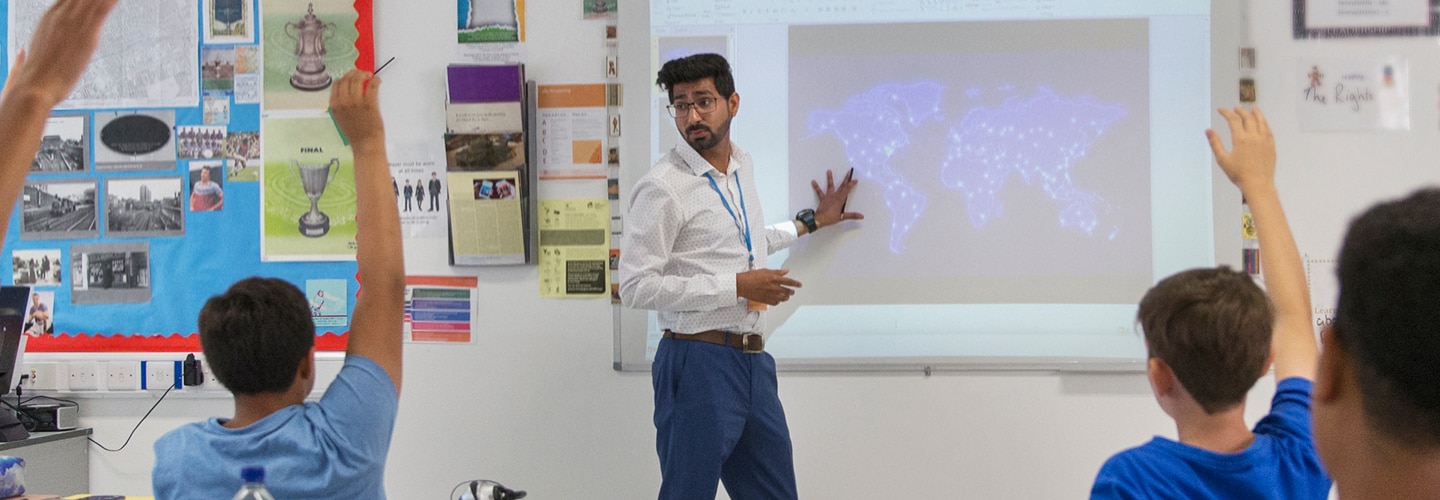
    • A teacher working on a interactive whiteboard and students raising their hands
      Universal Design for Learning (UDL) in language education
      投稿者 Charlotte Guest
      所要時間: 5 minutes

      Language classrooms are naturally diverse. Some students are confident speakers but struggle with writing. Others may be multilingual learners, students with learning differences or learners who simply need more time and support. Universal Design for Learning (UDL) offers a practical framework for meeting these varied needs without creating separate lessons for every student.

      UDL was developed by CAST, a nonprofit organization focused on education research and development, and is based on the idea that barriers to learning often exist in the design of instruction rather than in the learners themselves. Instead of expecting all students to learn in the same way, UDL encourages teachers to provide flexible pathways that help everyone access and engage with learning. According to CAST's overview of UDL , UDL aims to improve learning for all students through flexible goals, methods, materials and assessments.

      The three core principles of UDL

      At the heart of UDL are three principles that help teachers design more inclusive learning experiences.

      1. Multiple means of engagement

      This principle focuses on motivation and participation. Students are more likely to learn when they see value in what they are doing and have some choice in how they learn.

      In a language classroom, this might include:

      • Allowing students to choose discussion topics related to their interests
      • Using authentic materials such as podcasts, songs, news articles or social media posts
      • Offering different levels of challenge within the same activity

      When students feel connected to the content, they are more willing to take risks and use the target language. The CAST UDL Guidelines provide detailed recommendations for increasing learner engagement and motivation.

      2. Multiple means of representation

      Students do not all process information in the same way. UDL encourages teachers to present information through different formats so that learners have several ways to understand new content.

      For language teachers, this could mean:

      • Combining written text with audio recordings
      • Using images, diagrams, gestures and videos to support comprehension
      • Pre-teaching key vocabulary before introducing a complex reading task
      • Providing transcripts for listening activities

      These supports are not only beneficial for students with identified learning needs; they often improve comprehension for the entire class. CAST's guidance on representation highlights how varied formats can support learner understanding.

      3. Multiple means of action and expression

      Students should have different opportunities to demonstrate what they know. Traditional language assessments often favor a narrow set of skills, but learners may show understanding in many ways.

      Examples include:

      • Recording an oral presentation instead of delivering it live.
      • Creating a video, podcast or digital story.
      • Participating in an interview or conversation.
      • Producing written work using supportive technologies.

      The learning objective remains the same, but students have more than one way to demonstrate achievement. The educational resource Understood.org explains this principle in its guide to UDL.

      Why UDL matters in language education

      Language learning involves reading, writing, listening, speaking, vocabulary development and cultural understanding. Because so many skills are involved, barriers can emerge in different places for different learners. UDL helps teachers anticipate these differences and design lessons that provide access from the start rather than adding accommodations later.

      Research from CAST suggests that designing for learner variability benefits all students, not just those with identified educational needs. This is particularly relevant in language classrooms, where students often have diverse linguistic backgrounds, proficiency levels and learning preferences.

      Importantly, UDL is not about creating separate lessons for every learner. Instead, it is about building flexibility into lesson design so that a wider range of students can participate successfully.

      UDL strategies for language teachers

      If you are new to UDL, start small. Consider adding one or two flexible options to your existing lessons.

      Here are a few simple ideas:

      • Provide both written and spoken instructions.
      • Use captions on videos whenever possible.
      • Offer vocabulary lists with visuals and examples.
      • Allow students to choose between speaking or writing for some tasks.
      • Include collaborative and independent learning opportunities.
      • Use digital tools that support translation, text-to-speech or speech-to-text functions.
      • Clearly communicate learning goals before each lesson.

      For additional classroom examples, CAST's UDL Guidelines website contains guidance that teachers can adapt across different age groups and language-learning contexts.