Horizontal Syllabusとは

Andrew Lankshear
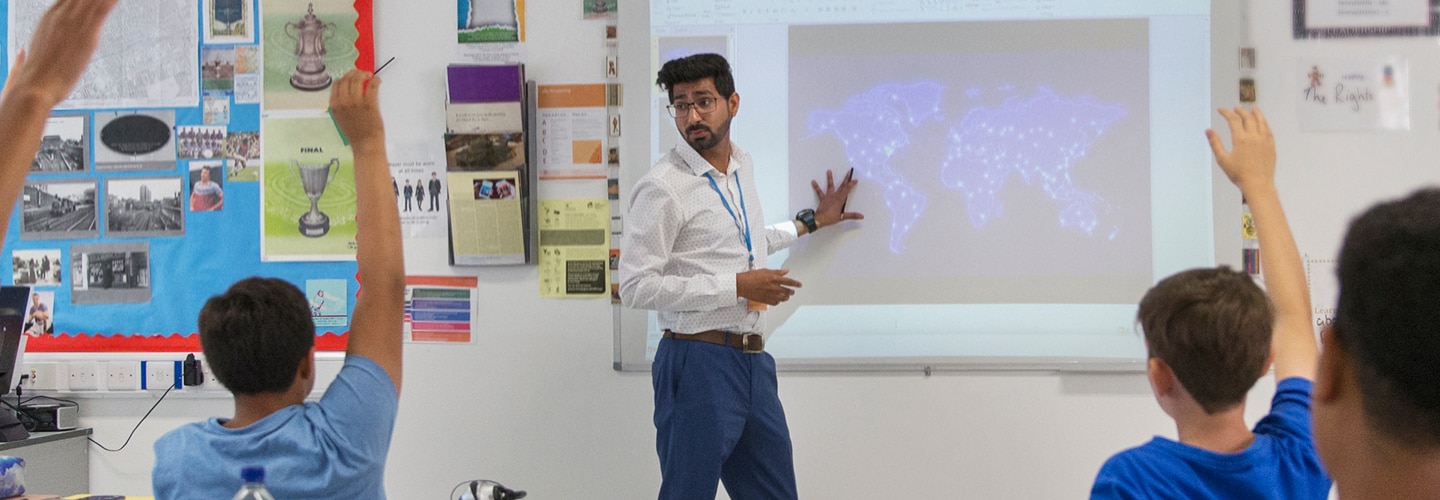
children with their hands up and their teacher
所要時間: 5分間

今回は私がここ数年、若い学習者の授業で実践してきたことを紹介したいと思います。私はこれをHorizontal Syllabusと呼んでいます。これは学習ユニットをデザインする方法であり、学習者の学習方法について私たちが知っていることでもあります。学習者には間隔を置いた反復学習が必要であり、簡単で管理しやすい課題から、より要求の高い自立した課題へと進んでいく必要があるのはご存じでしょう。まず、間隔をあけた反復学習とは、学習が定着するまでの間、間隔をあけて情報を見直し、思い出すという記憶術です。My Disney Stars and Heroesでは、ユニットを通して学習する言葉を繰り返し使用することでこれを実現していますが、Horizontal Syllabusの設計では、レッスン語彙やフレーズを復習することで、さらに強化することができます。つまり、ページからページに移動するのではなく(Vertical Syllabus)、ユニットを進めるごとに各ページを再確認し、積み重ねていきます。

本記事では特に、私が「拡張インプット」と呼んでいるインプットの段階に焦点を当てます。このインプットは、意味の伝達、セグメンテーション、発声、発音のチェック、語彙への批判的関与から構成されます。

次回のウェビナー(2025年8月24日)とさらに2回のブログでは、アウトプットと評価、そしてMy Disney Stars and Heroesの特定のユニットのためのHorizontal Syllabusをどのようにまとめるかについても紹介していきます。では、拡張インプットの段階について見てみましょう。

1.意味を伝える

意味を伝えるには、画像や文脈を手がかりにしたり、学習者の母語を使ったりします。学習者にとって本質的に意味のない音を練習することは逆効果だからです。単語のイメージや概念がなければ、学習者はうまく学べません。意味が記憶されたり、画像が単語と結びけられていると決めつけてはいけません。ユニットを通して定期的に意味を確認することが大切です。

2.セグメンテーション

セグメンテーションとは、語彙リストを扱いやすい学習チャンクに分け、長い単語を扱いやすい音節チャンクに分割することです。語彙リストは、3つの単語を目安に分けます。一度に3つの単語を習得するまで教え、習得したら次の3つに移る、という具合です。物事を3つに分けて覚える、作業記憶の上限の傾向を利用するのです。ですから、My Disney Stars and Heroesの各ユニットのVocabulary 1にある8つの語彙項目は、3+3+2として教えます。また、長い単語(多音節の単語)は分割し、それぞれの音節の発音を教えます。生徒の集中力を高めるため、私はこれらの単語を逆に教えます。例えば、「traditional」という単語を教えるときは、「tional / ditional / traditional」の順番にします。

3.Elocution

発音には発声練習が欠かせません。口の動かし方、舌の動かし方、息の整え方を知らなければ、学習者たちはうまく発音することができません(うまく、というのは、特定のアクセントをまねるのではなく、相手にとってわかりやすく、という意味です)。日本語には46の音節がありますが、それを生み出す音の数は限られています(子音が12~21((数え方による))、母音が5)。つまり、日本語には17~26の異なる音があるということです。しかし、英語には44の異なる音(音素と呼ばれます)があります。これらの動きは、ボールの蹴り方を覚えるのと同じように、筋肉の記憶として覚え込ませることが必要です。では、どうすればいいのでしょう?フォニックス・チャンツは、これらの音を聞いたり、再現したり、発音を見たりするのに便利です――私のYouTubeチャンネル@ActionSpeak-Andyをご覧ください。また、語彙を教えるときには、「Please look at my mouth.」(私の口を見てください)と言いましょう。特に新しい音、例えば/th/, /f/, /s/ /r/などについては、あなたの動きをまねるように学習者に指示しましょう。これらの音の教え方に慣れるには、Jane Setterの Your Voice Speaks Volumes が参考になります。また、ホワイトボードに手振り身振りで舌の位置を示す絵を描いたりします(もちろん、見えにくいですが!)-これは特に/th/と/r/の音を教えるのに便利です。練習が終わったら、生徒をペアにし、お互いにチェックさせます。また、自分でも、直接あるいは動画を撮って確認しましょう。

4.発音のチェック

次の段階は、学習者が自分で学習をコントロールできるようにすることです。My Disney Stars and Heroesの各ユニットには主要な語彙項目に番号が振ってあるので、私は学習者にはどの語彙項目を練習したいかを指で示すように言っています。学習者たちはまだその単語を言えないので、私が選んで答える方が早いからです。生徒が指で4を示したら、私は語彙項目4(例:レベル4のユニット2のfestival、/f/と/v/の音の発音を口で示す)を教えます。Horizontal Syllabusのように、私はこのユニットを通して何度も繰り返し練習させます。

5.Critical engagement

拡大インプットの最終段階は、語彙のCritical engagementです。My Disney Stars and Heroesの各ユニットでは、絵の中に出てくる語彙を特定したり、穴埋め問題に書き込んだりするような、アクティビティ演習があります。ほかにも、ランク付け、分類、推測なども可能です。例えば、レベル4のユニット2の語彙は次のようなものが含まれます。

  • fireworks
  • float
  • parade
  • festival
  • costume
  • traditional food
  • stall
  • lantern

物理的なアイテム(fireworks、 float、costume、traditional food、lantern)を、コスト、重さ、お祭りを成功させるための必要性などに応じてランク付けするように指示します。また、柔らかいもの、硬いもの、安いもの、高いものに分類したり、自分が見たことのあるお祭りを思い浮かべ、それらのアイテムがあったかどうかを考えさせたります。さらに、冬のお祭りと夏のお祭りでは、どのようなアイテムが適しているのか推測させます。これは、学習している言語項目を別の文脈で使うための訓練になります。 


このような拡張インプット教授法をユニットを通して行うことで、学習者はインプットの頻度を増やし、集中して発音練習をし、批判的に取り組むことで学習する機会を増やすことができます。このほかにも、インプットとアウトプットの両方のアクティビティがいくつかありますが、これはここで説明するよりも、むしろお見せした方がよいでしょう。8月24日のウェビナーをご覧ください。また、これらのアクティビティをMy Disney Stars and HeroesのユニットをHorizontal Syllabusにまとめる方法もご紹介します。きっとご自身の豊富な教授法のレパートリーに加えられる新しいアイデアと、どのように授業を構成したらよいかを考える新しい方法を得られることと思います。


最後に一言!各ユニットは、個人的・社会的能力スキルのページから始めましょう。これは、そのユニットと関連するテーマ(例えば、家庭で物を再利用する)を通して生徒を導く価値観を提供するからです。この価値観の学習は、言語学習そのものと同じように、繰り返し練習する必要があります!このことについては、近々開催するウェビナーで詳しくお話しします。ぜひご参加ください!

ピアソンからのブログ

  • Teenage students looking at a phone together outside
    Six easy ways to learn English
    投稿者 Steffanie Zazulak
    所要時間: 3 minutes

    Learning English can open doors to better career opportunities, travel experiences and global communication. However, staying motivated while learning a new language can sometimes be challenging. The good news is that there are many easy ways to learn English that fit into your daily routine.

    Whether you're a beginner or looking to improve your fluency, these practical English learning tips will help you build confidence and develop your speaking, listening, reading and vocabulary skills faster.

    1. Play word games to build your English vocabulary

    One of the most enjoyable ways to learn English is through word games. Games like Scrabble, Words With Friends, crossword puzzles and word search apps can help you expand your English vocabulary while having fun.

    Word games encourage you to think in English, recognize spelling patterns and learn new words naturally. If you're studying with friends or classmates, make it a regular activity to practice together and challenge each other's vocabulary skills.

    Benefits:

    • Improves vocabulary retention
    • Enhances spelling skills
    • Makes learning English enjoyable
  • A teacher working on a interactive whiteboard and students raising their hands
    Universal Design for Learning (UDL) in language education
    投稿者 Charlotte Guest
    所要時間: 5 minutes

    Language classrooms are naturally diverse. Some students are confident speakers but struggle with writing. Others may be multilingual learners, students with learning differences or learners who simply need more time and support. Universal Design for Learning (UDL) offers a practical framework for meeting these varied needs without creating separate lessons for every student.

    UDL was developed by CAST, a nonprofit organization focused on education research and development, and is based on the idea that barriers to learning often exist in the design of instruction rather than in the learners themselves. Instead of expecting all students to learn in the same way, UDL encourages teachers to provide flexible pathways that help everyone access and engage with learning. According to CAST's overview of UDL , UDL aims to improve learning for all students through flexible goals, methods, materials and assessments.

    The three core principles of UDL

    At the heart of UDL are three principles that help teachers design more inclusive learning experiences.

    1. Multiple means of engagement

    This principle focuses on motivation and participation. Students are more likely to learn when they see value in what they are doing and have some choice in how they learn.

    In a language classroom, this might include:

    • Allowing students to choose discussion topics related to their interests
    • Using authentic materials such as podcasts, songs, news articles or social media posts
    • Offering different levels of challenge within the same activity

    When students feel connected to the content, they are more willing to take risks and use the target language. The CAST UDL Guidelines provide detailed recommendations for increasing learner engagement and motivation.

    2. Multiple means of representation

    Students do not all process information in the same way. UDL encourages teachers to present information through different formats so that learners have several ways to understand new content.

    For language teachers, this could mean:

    • Combining written text with audio recordings
    • Using images, diagrams, gestures and videos to support comprehension
    • Pre-teaching key vocabulary before introducing a complex reading task
    • Providing transcripts for listening activities

    These supports are not only beneficial for students with identified learning needs; they often improve comprehension for the entire class. CAST's guidance on representation highlights how varied formats can support learner understanding.

    3. Multiple means of action and expression

    Students should have different opportunities to demonstrate what they know. Traditional language assessments often favor a narrow set of skills, but learners may show understanding in many ways.

    Examples include:

    • Recording an oral presentation instead of delivering it live.
    • Creating a video, podcast or digital story.
    • Participating in an interview or conversation.
    • Producing written work using supportive technologies.

    The learning objective remains the same, but students have more than one way to demonstrate achievement. The educational resource Understood.org explains this principle in its guide to UDL.

    Why UDL matters in language education

    Language learning involves reading, writing, listening, speaking, vocabulary development and cultural understanding. Because so many skills are involved, barriers can emerge in different places for different learners. UDL helps teachers anticipate these differences and design lessons that provide access from the start rather than adding accommodations later.

    Research from CAST suggests that designing for learner variability benefits all students, not just those with identified educational needs. This is particularly relevant in language classrooms, where students often have diverse linguistic backgrounds, proficiency levels and learning preferences.

    Importantly, UDL is not about creating separate lessons for every learner. Instead, it is about building flexibility into lesson design so that a wider range of students can participate successfully.

    UDL strategies for language teachers

    If you are new to UDL, start small. Consider adding one or two flexible options to your existing lessons.

    Here are a few simple ideas:

    • Provide both written and spoken instructions.
    • Use captions on videos whenever possible.
    • Offer vocabulary lists with visuals and examples.
    • Allow students to choose between speaking or writing for some tasks.
    • Include collaborative and independent learning opportunities.
    • Use digital tools that support translation, text-to-speech or speech-to-text functions.
    • Clearly communicate learning goals before each lesson.

    For additional classroom examples, CAST's UDL Guidelines website contains guidance that teachers can adapt across different age groups and language-learning contexts.

  • Friends stood by a camper van with food by the sea socialising
    How to maintain language skills over summer break
    投稿者 Charlotte Guest
    所要時間: 3 minutes

    Summer break is a welcome chance to relax, but it can also be a challenging time for students. Without regular classes over the summer, many students notice that their vocabulary, grammar and speaking confidence begin to fade: this is often called the "summer slide".. The good news is that maintaining language skills over summer break does not require hours of study each day. Small, consistent habits can help you retain what you have learned and return to your studies with confidence.

    Why language learners forget so much during summer break

    When we stop using a language regularly, our brains begin to forget information that is not being reinforced. Vocabulary becomes harder to recall, grammar rules feel less familiar and speaking confidence can decrease.

    Fortunately, language retention does not require intensive study. The key is maintaining regular contact with the language, even for just a few minutes a day.