語学学習があなたの人生をより良いものにする方法

笑顔の友人たち
所要時間: 7 分間

言語学習 は単に勉強するだけでなく、社会的、職業的、精神的に人生のあらゆる側面に統合される戦略的な動きです。 英語 はグローバルビジネスの共通基盤となることが多いため、この言語での効果的なコミュニケーションはかつてないほど重要になっています。

この投稿では、特に英語における言語能力の利点を、ピアソンの最近の 画期的な新しい研究からの関連する統計と洞察に基づいて明らかにします。

より優れた英語スキルで最大80%多く稼ぐ |ピアソンが英語に与える影響
再生
プライバシーとクッキー

視聴することにより、Pearsonがあなたの視聴データを1年間の間、マーケティングおよび分析のために共有することに同意したものとみなされます。クッキーを削除することで、同意を取り消すことができます。

言語能力の変革力

世界人口の20%が英語を第一言語、第二言語、または追加言語として話していることをご存知ですか?このことは、英語がグローバル社会において果たす重要な役割を浮き彫りにしています。

当社の調査では 、言語能力とキャリア開発の間には説得力のある関連性があり 、従業員の80%が 英語 能力が収益の可能性を判断する上で重要であると考えていることが浮き彫りになっています。

英語または広く使用されている言語に堪能であれば、エンプロイアビリティを高めることができます。これは単なる履歴書の一行ではありません。それは、機会へのアクセス、潜在的に高い給与、より高い仕事の満足度です。しかし、正式な教育で学んだ言語と職場で必要とされる実践的なスキルの間には、顕著なギャップがあります。

英語を学ぶことの利点は何ですか?

英語や新しい言語を学ぶことにはいくつかの利点がありますが、今日から学習を始める理由を示すために、いくつかの例を挙げます。

スキルギャップを埋める

ここで重要なのは、言語のアジリティは、単に職業上の競争力を高めるだけではありません。より良いコミュニケーションを促進し、コラボレーションを強化し、私生活と仕事の両方で関係を豊かにします。

しかし、現代の言語学習者はこの需要にどのように適応しているのでしょうか?Z世代の学習者は先駆者であり、多くの場合、 セルフサービスアプリソーシャルメディアビデオ に目を向けて 英語 能力を磨いています。オンラインゲームやチャットルームなどのインタラクティブテクノロジーは、デジタル流暢さへのダイナミックなシフトを反映して、テクノロジーに精通したこの世代に好まれています。

給与と社会保障

複数の言語を話すと、ソーシャルゲームが盛り上がります。それはより高い給与と正の相関関係があり、雇用機会を高めます。 英語 習熟度は、人生の職業的側面と個人的側面の両方を形作る 変革的な投資と見なされています。

興味深いことに、言語、特に 英語に堪能であることの経済的利点は重要です。 研究によると、 バイリンガルの人は、1つの言語しか話さない人と比較して、時給が5%から20%多くなることが示唆されています。この「言語プレミアム」は業界や地域によって異なりますが、一般的にはさまざまな職業に当てはまります。

グローバリゼーションがピークを迎える中、 英語 でのコミュニケーション能力は、雇用の見通しを高めるだけでなく、経済的利益にも直結します。 言語学習 単なる学業成績ではなく、賢明なキャリアアップです。

語彙や文法だけに焦点を当てるのではなく、スキルベースのアプローチを支持する声が高まっています。 スピーキング、ライティング、リスニング、リーディングを実践することで、 教室での学習と実際の要件との間のギャップを埋めることができます。

認知能力を高める

外国語を学ぶことは、挑戦的な方法で脳力を維持するための優れた方法として科学的研究で証明されています。研究によると、他の言語を学習すると、脳の電気構造とサイズが変化しますが、学習者が特定のタスクや能力を学習する場合にはまれな変化です。

年齢に関係なく、言語学の経験を積み、より多くの言語を学ぶことは可能です。


他の言語も簡単になります

私たちはしばしば、その言語のルールを意識的に理解せずに言語を学び、私たちの多くは、彼らがどのようなルールに従っているのかを知りません。しかし、他の言語を学ぶということは、ルールについてすべてを学ぶことを意味します。母国語を習得した人は、思ったよりも正確な語彙や正確な語彙など、母国語をより多く学んでいることに気づくことがよくあります。他のインド・ヨーロッパ語族(フランス語など)を学ぶとき、 英語を理解するのに役立つ借用語が大量にある可能性があります。

より多くの情報とエンターテイメントにアクセスできます

英語に習熟することで、より多くのデジタルコンテンツを楽しむこともできます。オンラインコンテンツの約60%が英語です。この大量のオンライン英語は、デジタルランドスケープを形成するだけでなく、情報やエンターテインメントへのアクセスにも影響を与えます。英語学習者にとって、この優位性は、豊富な知識と文化交流の障壁となる可能性があります。

同様に、 英語に堪能な人にとって、この言語は、他の方法ではアクセスできない情報、教育リソース、最先端の研究、グローバルなエンターテイメントオプションの広大な宇宙を開くため、役立ちます。最新のハリウッド大作のストリーミングから、世界中の名門大学のオンラインコースへの参加まで、 英語 に習熟することで、デジタルの地平線が大幅に広がります。

世界クラスの教育システムや施設へのアクセス

学生が英語勉強するもう一つの理由は、世界最高の教育機関にアクセスできることです。世界のトップ大学のいくつかは、米国と英国にあるか、コースで英語を使用しているため、申請には英語が重要です。大学で英語を学ぶ学生には、高いレベルの英語が不可欠です。

英語圏での生活を始める

英語勉強するもう一つの利点は、外国語の国に引っ越す可能性があることです。通常、英語圏の国の市民になるには、英語に堪能でなければなりません。スピーキングと学習英語は、仕事のチャンスを増やし、コミュニケーションスキルを向上させ、人々が会話し、コミュニケーションを成功させるのに役立ちます。

より多くの人とより深いつながりを築く

30%の人が 友達を増やすために 英語 を学んでいますが、それは当然のことです。別の言語を話すことができることで、私生活だけでなく仕事でも、より広い範囲の人々と明確にコミュニケーションをとることができます。この能力は、より深く、より有意義な関係を育み、異文化を理解し、多様な文化をより親密に体験するための扉を開くことができます。回答者のほぼ半数が、 英語 習熟度を向上させることで、仕事だけでなく、人生の他の分野でも自信が持てるようになったと回答しています。進歩すればするほど、自信がつきます。

言語 習熟度により、カジュアルな会話を超えた会話に参加できるようになり、他の文化のアイデアや伝統をより豊かで本物の交換が可能になります。母国語で誰かとつながる喜びは、視野を広げ、グローバルな感性を育むやりがいのある経験です。

自信がつきます

新しい言語、特に 英語を学ぶには、言語のコンフォートゾーンから一歩踏み出す必要があります。それはあなたの自尊心と自信を大幅に高めることができます。習熟度が低い人は、より良い 英語 が人生をより幸せにしてくれると感じることがよくあります。言語を学ぶプロセスは力を与え、新しい単語を学び、すべての会話を理解することはマイルストーンとして機能し、学習者の能力に対する信念を強化します。


不明瞭なコミュニケーションは、特に仕事の場では、自信を失わせることがあります。私たちの調査によると、回答者の72%が、英語言語をよりよく理解していれば、自分の仕事は楽になると考えていることがわかりました。さらに、英語能力が限られている従業員のうち、職場で自分を十分に表現できると感じているのはわずか10%です。

語学力の向上から得られる自信は、仕事や生活の他の分野にも及ぶ可能性があり、以前は避けていたかもしれない課題に取り組む動機付けになります。基本的に、言語を学ぶプロセスは、習熟度だけでなく、個人の成長にもつながります。これにより、自信が高まると言語スキルがさらに向上し、自信が育まれるという正のフィードバックループが生まれます。

英語生活を改善する方法

英語が日常生活でどのように役立つかについて、いくつかの例を挙げて説明しました。しかし、私たちの言葉を鵜呑みにしないでください。

「英語 文字通り何度も私の命を救ってくれました。 学生時代はモチベーションに悩みました。どの教科も好きじゃなくて、宿題もしないし、本も読まない。しかし、その後、 英語 家庭教師が私を 英語恋に落ちるのを手伝ってくれました。 英語 私にとって逃避の場となり、好奇心旺盛で情熱的で有能な学習者としての新しいアイデンティティを身につける機会となりました。

私が読んだり学んだりしたことの99%は 英語で起こりました。 その後、アメリカに来て、 英語 私が生き延びるのを助けてくれ、低賃金の肉体労働から、給仕、バーテンダー、 英語 教師など、効果的なコミュニケーションを必要とする高給の仕事に転職しました。

今日に至るまで、 英語 は、私が同僚や世界クラスの専門家と一緒に働き、変化をもたらすのを助けてくれるスーパーパワーです。」

- Illya Gogin氏、Pearson製品担当ディレクター

あなたが言語学習者、就職市場への参入を控えている学生、または単に言語学習の力と利点に興味がある場合は、利用可能なリソースの世界があります。GSEは、言語の目標を達成するのに役立つ素晴らしいツールですので、英語習熟度を向上させる方法については、学習者のためのGlobal Scale of Englishをご覧ください。

語学学習のメリットを享受する準備はできていますか? 私たちのレポートを読んで 、あなたの言語学習の冒険の道筋を示すことができる、より啓発的な統計と詳細を発見してください。

新しい言語を学ぶことは、単なる教育上の課題ではなく、より活気に満ち、つながりがあり、充実した生活への一歩です。この言語の旅に出て、想像もしなかった方法で世界が広がるのを見てください。

ピアソンからのその他のブログ

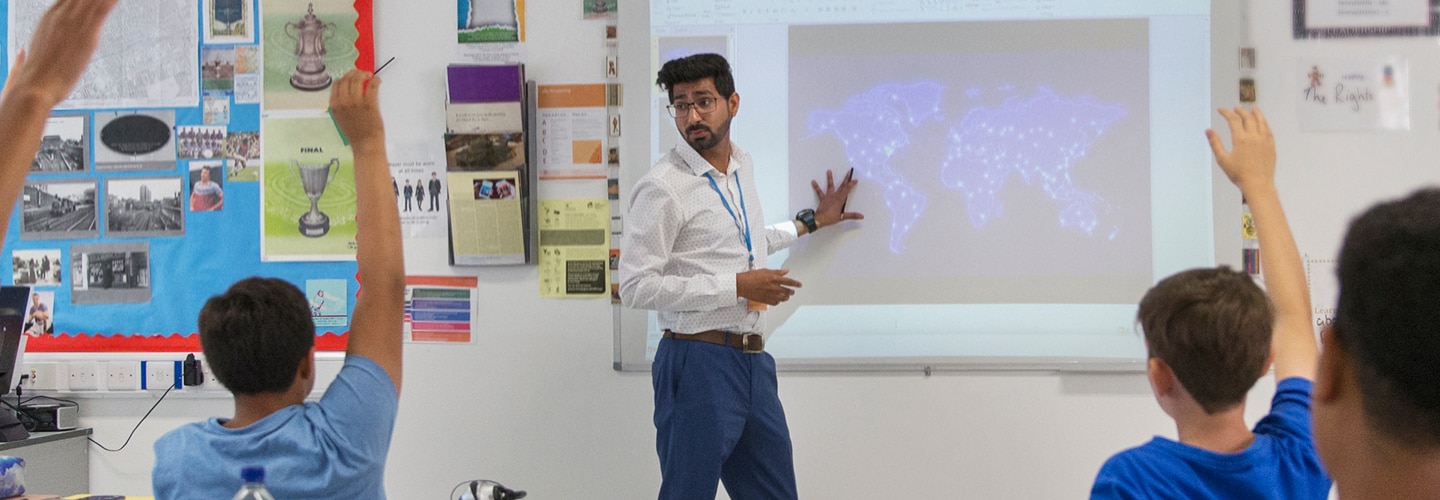
  • A teacher working on a interactive whiteboard and students raising their hands
    Universal Design for Learning (UDL) in language education
    投稿者 Charlotte Guest
    所要時間: 5 minutes

    Language classrooms are naturally diverse. Some students are confident speakers but struggle with writing. Others may be multilingual learners, students with learning differences or learners who simply need more time and support. Universal Design for Learning (UDL) offers a practical framework for meeting these varied needs without creating separate lessons for every student.

    UDL was developed by CAST, a nonprofit organization focused on education research and development, and is based on the idea that barriers to learning often exist in the design of instruction rather than in the learners themselves. Instead of expecting all students to learn in the same way, UDL encourages teachers to provide flexible pathways that help everyone access and engage with learning. According to CAST's overview of UDL , UDL aims to improve learning for all students through flexible goals, methods, materials and assessments.

    The three core principles of UDL

    At the heart of UDL are three principles that help teachers design more inclusive learning experiences.

    1. Multiple means of engagement

    This principle focuses on motivation and participation. Students are more likely to learn when they see value in what they are doing and have some choice in how they learn.

    In a language classroom, this might include:

    • Allowing students to choose discussion topics related to their interests
    • Using authentic materials such as podcasts, songs, news articles or social media posts
    • Offering different levels of challenge within the same activity

    When students feel connected to the content, they are more willing to take risks and use the target language. The CAST UDL Guidelines provide detailed recommendations for increasing learner engagement and motivation.

    2. Multiple means of representation

    Students do not all process information in the same way. UDL encourages teachers to present information through different formats so that learners have several ways to understand new content.

    For language teachers, this could mean:

    • Combining written text with audio recordings
    • Using images, diagrams, gestures and videos to support comprehension
    • Pre-teaching key vocabulary before introducing a complex reading task
    • Providing transcripts for listening activities

    These supports are not only beneficial for students with identified learning needs; they often improve comprehension for the entire class. CAST's guidance on representation highlights how varied formats can support learner understanding.

    3. Multiple means of action and expression

    Students should have different opportunities to demonstrate what they know. Traditional language assessments often favor a narrow set of skills, but learners may show understanding in many ways.

    Examples include:

    • Recording an oral presentation instead of delivering it live.
    • Creating a video, podcast or digital story.
    • Participating in an interview or conversation.
    • Producing written work using supportive technologies.

    The learning objective remains the same, but students have more than one way to demonstrate achievement. The educational resource Understood.org explains this principle in its guide to UDL.

    Why UDL matters in language education

    Language learning involves reading, writing, listening, speaking, vocabulary development and cultural understanding. Because so many skills are involved, barriers can emerge in different places for different learners. UDL helps teachers anticipate these differences and design lessons that provide access from the start rather than adding accommodations later.

    Research from CAST suggests that designing for learner variability benefits all students, not just those with identified educational needs. This is particularly relevant in language classrooms, where students often have diverse linguistic backgrounds, proficiency levels and learning preferences.

    Importantly, UDL is not about creating separate lessons for every learner. Instead, it is about building flexibility into lesson design so that a wider range of students can participate successfully.

    UDL strategies for language teachers

    If you are new to UDL, start small. Consider adding one or two flexible options to your existing lessons.

    Here are a few simple ideas:

    • Provide both written and spoken instructions.
    • Use captions on videos whenever possible.
    • Offer vocabulary lists with visuals and examples.
    • Allow students to choose between speaking or writing for some tasks.
    • Include collaborative and independent learning opportunities.
    • Use digital tools that support translation, text-to-speech or speech-to-text functions.
    • Clearly communicate learning goals before each lesson.

    For additional classroom examples, CAST's UDL Guidelines website contains guidance that teachers can adapt across different age groups and language-learning contexts.

  • Friends stood by a camper van with food by the sea socialising
    How to maintain language skills over summer break
    投稿者 Charlotte Guest
    所要時間: 3 minutes

    Summer break is a welcome chance to relax, but it can also be a challenging time for students. Without regular classes over the summer, many students notice that their vocabulary, grammar and speaking confidence begin to fade: this is often called the "summer slide".. The good news is that maintaining language skills over summer break does not require hours of study each day. Small, consistent habits can help you retain what you have learned and return to your studies with confidence.

    Why language learners forget so much during summer break

    When we stop using a language regularly, our brains begin to forget information that is not being reinforced. Vocabulary becomes harder to recall, grammar rules feel less familiar and speaking confidence can decrease.

    Fortunately, language retention does not require intensive study. The key is maintaining regular contact with the language, even for just a few minutes a day.

  • Students sat together talking
    Mindfulness in the classroom: Autopilot and paying attention
    投稿者 Amy Malloy
    所要時間: 4 minutes

    In today's digital world, students face constant distractions that can make it difficult to stay focused during lessons. From social media notifications to endless online content, maintaining attention has become one of the biggest challenges in modern education.

    This is where mindfulness in the classroom can make a significant difference. By helping students become more aware of the present moment, mindfulness can strengthen concentration, improve learning outcomes, and support overall wellbeing.

    What is "Autopilot" thinking?

    Have you ever reached the end of a page in a book and realized you can't remember what you just read?

    This experience occurs when the brain slips into a semi-conscious state, often referred to as "autopilot" mode. During autopilot, we continue carrying out tasks while our thoughts drift elsewhere, planning future events, worrying about problems or replaying past experiences.

    While this automatic mode helps us complete routine tasks efficiently, it can also reduce our awareness of what's happening right now. As a result, students may appear present in class while their attention is elsewhere.

    For educators, understanding this tendency is essential because sustained attention is critical for learning, memory formation and academic success.

    Why mindfulness matters in education

    According to mindfulness expert Jon Kabat-Zinn, mindfulness means:

    "Paying attention in a particular way: on purpose, in the present moment and non-judgmentally."

    The key phrase is "on purpose".

    Mindfulness trains students to deliberately focus their attention rather than allowing their minds to wander automatically. Like any skill, attention becomes stronger with practice. Repeated mindfulness exercises help create neural pathways that support concentration and self-awareness.

    For younger children, this is especially important because the brain develops rapidly during the primary school years. Building healthy attention habits early can have lasting benefits throughout education and beyond.

    Benefits of mindfulness in the classroom

    Implementing mindfulness activities in schools can offer several advantages:

    Improved attention span

    Regular mindfulness practice helps students sustain focus for longer periods, making it easier to engage with lessons, reading tasks and independent study.

    Better learning outcomes

    When students pay closer attention, they absorb and retain information more effectively, leading to stronger academic performance.

    Reduced stress and anxiety

    Mindfulness techniques can help students manage exam pressure, classroom stress and emotional challenges by encouraging calm, focused awareness.

    Stronger emotional regulation

    Students become more aware of their thoughts and feelings, helping them respond thoughtfully rather than react impulsively.

    Enhanced digital wellbeing

    Mindfulness can help counteract the constant distractions created by smartphones, social media and digital devices.

    Why attention skills are more important than ever

    Many educators are concerned about the impact of technology on student concentration. While researchers continue to debate whether overall attention spans are shrinking, there is broad agreement that attention is shaped by habit.

    The brain becomes better at whatever it repeatedly practices.

    If students frequently switch between apps, notifications and multiple streams of information, sustained focus can become more difficult. Conversely, practicing mindful attention strengthens the brain's ability to concentrate on a single task.

    This is particularly important for teenagers. During adolescence, the brain undergoes significant restructuring, strengthening frequently used neural pathways while reducing those that are rarely activated.

    The message is simple: attention is a skill that improves through use.

    Three mindfulness activities for students

    Teachers can introduce mindfulness through simple exercises that fit naturally into the school day.

    1. Mindful technology use

    Help students develop awareness around screen time by encouraging intentional device use.

    Steps:

    1. Pause before using a device.
    2. Notice how you feel.
    3. Decide on a single task to complete.
    4. Visualize the steps required.
    5. Complete the task without distractions.
    6. Put the device away once finished.
    7. Reflect on any urge to continue scrolling.

    2. Mindful eating exercise

    This activity encourages students to engage all their senses and become fully present.

    Ask students to:

    • Observe five things they can see about their snack.
    • Notice five things they can feel.
    • Identify five scents.
    • Slowly taste the food and recognize subtle flavors.
    • Reflect on the experience.

    This exercise develops sensory awareness and helps students practice sustained attention.

    3. Breath counting for focus

    One of the simplest and most effective mindfulness exercises for students.

    Instructions:

    1. Sit comfortably.
    2. Close your eyes or soften your gaze.
    3. Focus on your breathing.
    4. Count each breath from one to ten.
    5. If your mind wanders, gently return attention to the breath.
    6. Repeat as needed.

    Over time, students often find it easier to maintain concentration and remain present.

    How teachers can introduce mindfulness successfully

    Teachers do not need extensive training to begin incorporating mindfulness into lessons. Small, consistent practices often produce the greatest benefits.

    Consider:

    • Starting lessons with a one-minute breathing exercise.
    • Using mindfulness before tests or presentations.
    • Encouraging reflection at the end of lessons.
    • Incorporating mindful listening activities during discussions.
    • Promoting conscious technology use in digital learning environments.

    Consistency is more important than duration. Even a few minutes each day can help students develop stronger focus and self-awareness.

    By helping students move away from autopilot thinking and engage more fully with the present moment, mindfulness supports both academic success and emotional well-being.

    Whether through mindful breathing, mindful eating or conscious technology use, small daily practices can have a lasting impact on how students learn, focus and thrive.