Back

Base Pairing definitions

Control buttons has been changed to "navigation" mode.
1/12
  • Hydrogen Bonding

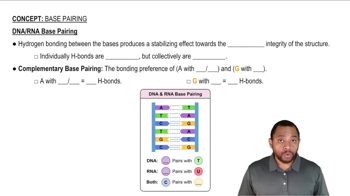
    Intermolecular force responsible for holding together DNA and RNA strands, individually weak but collectively strong.
  • Complementary Base Pairing

    Specific matching of nitrogenous bases in nucleic acids, ensuring structural stability and genetic fidelity.
  • Adenine

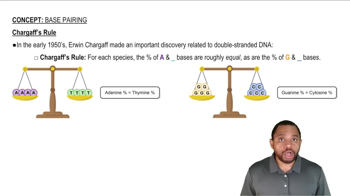
    Nitrogenous base that pairs with Thymine in DNA and Uracil in RNA through two hydrogen bonds.
  • Thymine

    Nitrogenous base found in DNA, forms two hydrogen bonds with Adenine, replaced by Uracil in RNA.
  • Uracil

    Nitrogenous base found in RNA, pairs with Adenine, replacing Thymine and forming two hydrogen bonds.
  • Guanine

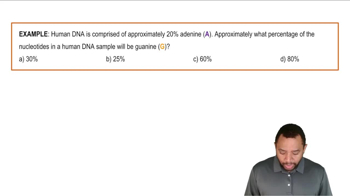
    Nitrogenous base that forms three hydrogen bonds with Cytosine, contributing to nucleic acid stability.
  • Cytosine

    Nitrogenous base that pairs with Guanine in both DNA and RNA, forming three hydrogen bonds.
  • Nitrogenous Bases

    Molecular components of nucleic acids responsible for encoding genetic information and base pairing.
  • Structural Integrity

    Overall stability and strength of DNA or RNA maintained by numerous hydrogen bonds between bases.
  • Base Pair

    Two nitrogenous bases connected by hydrogen bonds, forming the rungs of the DNA or RNA ladder.
  • Genetic Fidelity

    Accurate transmission of genetic information ensured by specific base pairing rules in nucleic acids.
  • Nucleic Acids

    Macromolecules such as DNA and RNA composed of sequences of nitrogenous bases linked by hydrogen bonds.