Pearson+ LogoPearson+ Logo
Ch.1 Matter and Measurements
McMurry - Fundamentals of GOB 8th Edition
McMurry8th EditionFundamentals of GOBISBN: 9780134015187Not the one you use?Change textbook
Chapter 1, Problem 54

What is the difference between a physical quantity and a number?

Verified step by step guidance
1
A physical quantity is a measurable property of matter or energy that includes both a numerical value and a unit of measurement (e.g., 5 meters, 10 kilograms). It provides context and meaning to the number by specifying what is being measured.
A number, on the other hand, is a mathematical value that represents a count, quantity, or position but does not inherently include a unit or context (e.g., 5, 10).
Physical quantities are essential in science because they allow us to describe and compare measurements in a standardized way, using units from systems like SI (International System of Units).
For example, the number '5' alone does not convey much information, but '5 meters' specifies a length, making it a physical quantity.
In summary, the key difference is that a physical quantity combines a number with a unit to provide meaningful information about a measurement, while a number is just a standalone value without context.

Verified video answer for a similar problem:

This video solution was recommended by our tutors as helpful for the problem above.
Video duration:
5m
Was this helpful?

Key Concepts

Here are the essential concepts you must grasp in order to answer the question correctly.

Physical Quantity

A physical quantity is a property of a physical system that can be measured and expressed numerically. It consists of a numerical value and a unit of measurement, such as length (meters), mass (kilograms), or time (seconds). Physical quantities are essential in science and engineering as they provide a way to quantify and compare different phenomena.
Recommended video:
Guided course
02:54
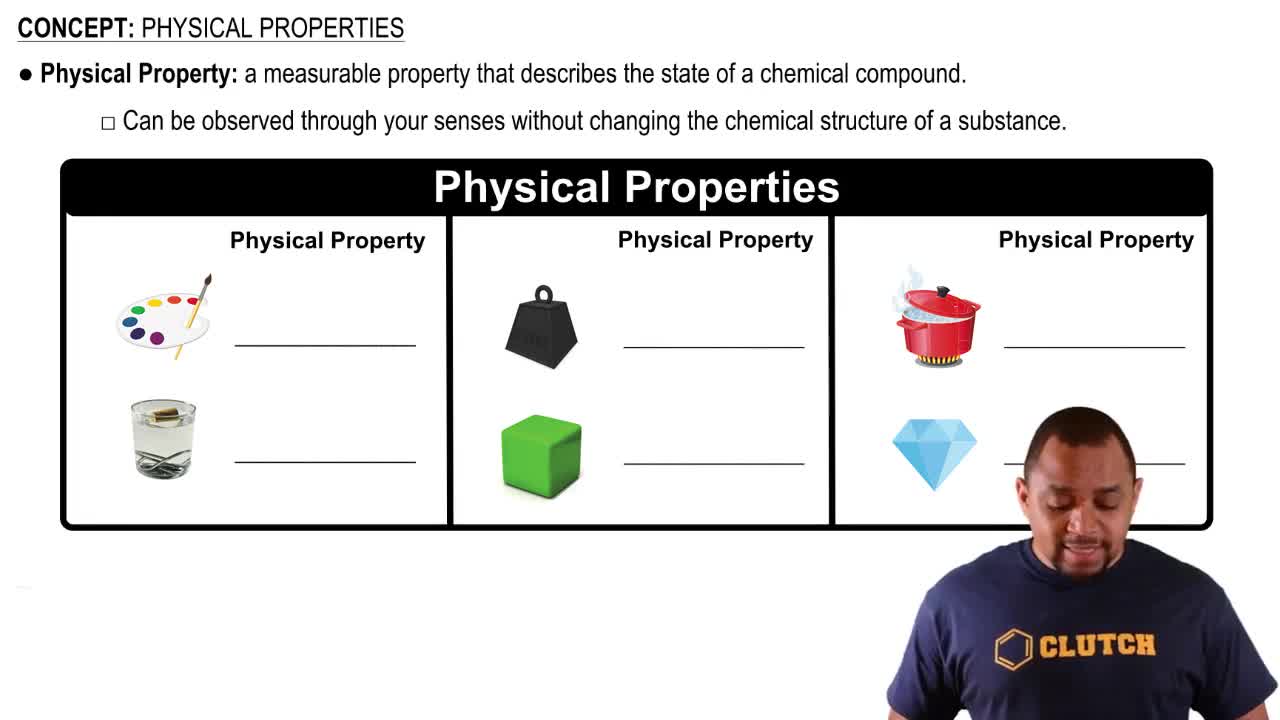
Physical Properties Concept

Number

A number is a mathematical object used to count, measure, and label. It can represent a quantity but does not inherently include any information about units or physical context. Numbers can be whole, fractional, or irrational, and they serve as the foundation for arithmetic and algebra, allowing for calculations and comparisons without reference to physical properties.
Recommended video:
Guided course
03:13
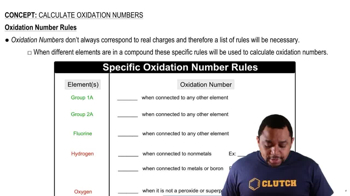
Calculate Oxidation Numbers

Units of Measurement

Units of measurement are standardized quantities used to express physical quantities. They provide a context for interpreting numbers, ensuring that measurements are understood universally. For example, the meter is a unit for measuring length, and without specifying a unit, a number like '5' could refer to anything, making it ambiguous. Units are crucial for clarity in scientific communication.
Recommended video:
Guided course
02:52
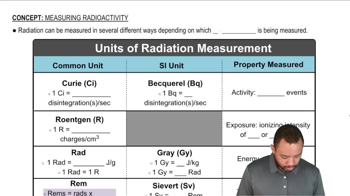
Measuring Radioactivity Concept 1