Ch. 20 The Heart
Martini - Fundamentals of Anatomy & Physiology 11th Edition
Martini, Nath, Bartholomew11th EditionFundamentals of Anatomy & PhysiologyISBN: 9780136874089당신이 사용하는 게 아니라요?교과서 변경
20장, 문제 27

Describe the effects of epinephrine, norepinephrine, glucagon, and thyroid hormones on the contractility of the heart.

검증된 단계별 안내
1
Step 1: Understand the concept of cardiac contractility, which refers to the strength and force of the heart's contractions independent of preload and afterload. Contractility is influenced by various hormones and neurotransmitters that affect calcium availability in cardiac muscle cells.
Step 2: Analyze the effect of epinephrine and norepinephrine, which are catecholamines released by the adrenal medulla and sympathetic nerve endings. These hormones bind to beta-1 adrenergic receptors on cardiac muscle cells, leading to increased cyclic AMP (cAMP) production and enhanced calcium influx, thereby increasing contractility.
Step 3: Examine the role of glucagon, a hormone released by the pancreas during low blood glucose levels. Glucagon can also increase cardiac contractility by stimulating cAMP production in cardiac cells, similar to catecholamines, which enhances calcium availability and strengthens heart contractions.
Step 4: Consider the effects of thyroid hormones (mainly T3 and T4), which increase the expression of beta-adrenergic receptors and enhance the responsiveness of the heart to catecholamines. This results in increased heart rate and contractility over time by promoting greater calcium handling and energy metabolism in cardiac cells.
Step 5: Summarize that epinephrine, norepinephrine, and glucagon directly increase cardiac contractility through cAMP-mediated pathways, while thyroid hormones indirectly enhance contractility by upregulating beta-adrenergic receptors and improving cardiac cell function.

비슷한 문제에 대한 검증된 영상 답변:

이 영상 해법은 위 문제에 도움이 된다고 튜터들이 추천한 것입니다.

주요 개념

질문에 올바르게 답하기 위해 반드시 이해해야 하는 핵심 개념들은 다음과 같습니다.

Role of Catecholamines (Epinephrine and Norepinephrine) in Cardiac Contractility

Epinephrine and norepinephrine are catecholamines that increase heart contractility by binding to beta-1 adrenergic receptors on cardiac muscle cells. This activates the cAMP pathway, enhancing calcium influx during action potentials, which strengthens myocardial contraction and increases heart rate.
추천 영상:
3:49
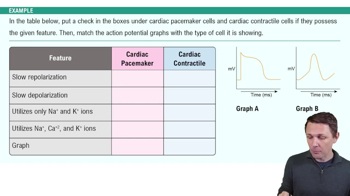
Cardiac Action Potentials Example 1

Effect of Glucagon on the Heart

Glucagon, primarily known for regulating blood glucose, also increases cardiac contractility by stimulating adenylate cyclase via glucagon receptors. This raises cAMP levels in cardiac cells, similar to catecholamines, promoting stronger and more forceful heart contractions.
추천 영상:
가이드 코스
1:32
Effects of the Complement System

Influence of Thyroid Hormones on Cardiac Function

Thyroid hormones (T3 and T4) enhance heart contractility by increasing the expression of beta-adrenergic receptors and proteins involved in calcium handling. This leads to heightened sensitivity to catecholamines and improved calcium cycling, resulting in increased cardiac output and contractile strength.
추천 영상:
13:06
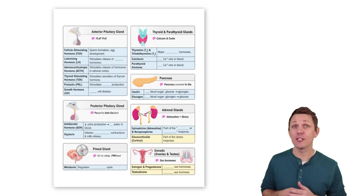
Review of Major Hormones