Ch.7 Chemical Reactions: Energy, Rate and Equilibrium
McMurry - Fundamentals of General, Organic, and Biological Chemistry 8th Edition
McMurry8th EditionFundamentals of General, Organic, and Biological ChemistryISBN: 9780134015187당신이 사용하는 게 아니라요?교과서 변경
7장, 문제 34

What is the difference between an exothermic reaction and an exergonic reaction?

검증된 단계별 안내
1
Understand that both exothermic and exergonic reactions involve the release of energy, but they describe different aspects of a chemical process.
An exothermic reaction refers specifically to the release of heat energy during a chemical reaction. This is related to the enthalpy change (ΔH) of the reaction, where ΔH < 0 indicates that heat is released.
An exergonic reaction, on the other hand, refers to the overall spontaneity of a reaction. It is determined by the Gibbs free energy change (ΔG), where ΔG < 0 indicates that the reaction is spontaneous and releases free energy.
Recognize that while all exothermic reactions release heat, not all exothermic reactions are exergonic. Similarly, an exergonic reaction may or may not release heat, as it depends on both enthalpy (ΔH) and entropy (ΔS) contributions to ΔG, calculated using the formula: ΔG=ΔHTΔS.
Summarize the distinction: Exothermic reactions focus on heat release (enthalpy), while exergonic reactions focus on the overall energy change and spontaneity (Gibbs free energy).

비슷한 문제에 대한 검증된 영상 답변:

이 영상 해법은 위 문제에 도움이 된다고 튜터들이 추천한 것입니다.
영상 길이:
5m
도움이 되었나요?

주요 개념

질문에 올바르게 답하기 위해 반드시 이해해야 하는 핵심 개념들은 다음과 같습니다.

Exothermic Reaction

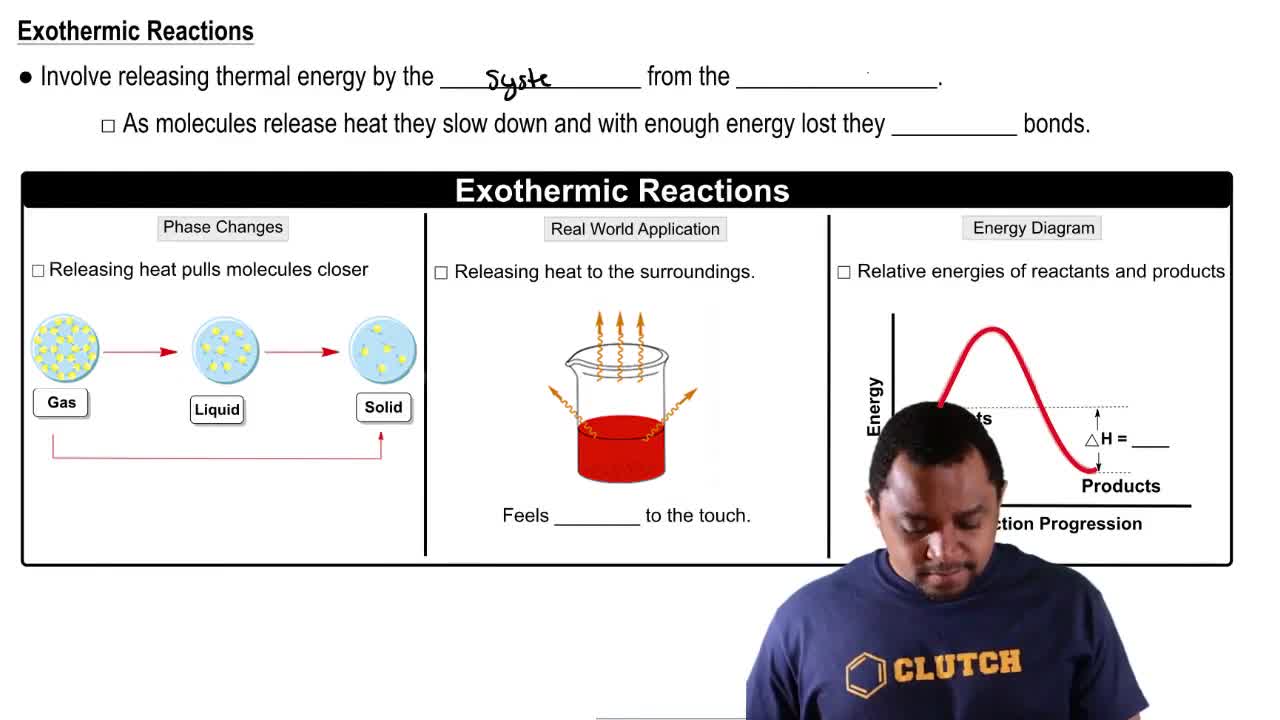
An exothermic reaction is a chemical process that releases heat to its surroundings. This release of energy often results in an increase in temperature of the surrounding environment. Common examples include combustion reactions, such as burning wood or fossil fuels, where energy is released in the form of heat and light.
추천 영상:
가이드 코스
02:38
Endothermic & Exothermic Reactions

Exergonic Reaction

An exergonic reaction refers to a process that releases free energy, making it thermodynamically favorable. This type of reaction is characterized by a negative change in Gibbs free energy (ΔG < 0), indicating that the products have lower energy than the reactants. Exergonic reactions can occur in various contexts, including biochemical pathways, where they drive cellular processes.
추천 영상:
가이드 코스
1:30
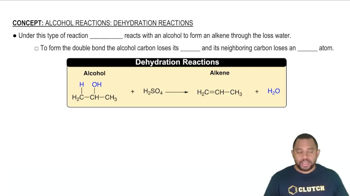
Alcohol Reactions: Dehydration Reactions Concept 1

Energy Transfer

Energy transfer is a fundamental concept in both exothermic and exergonic reactions, as it describes how energy moves from one system to another. In exothermic reactions, energy is primarily released as heat, while in exergonic reactions, the focus is on the change in free energy. Understanding energy transfer helps clarify how these reactions impact their surroundings and the feasibility of chemical processes.
추천 영상:
가이드 코스
01:26
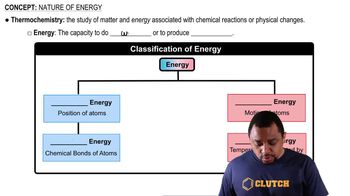
Nature of Energy