Ch.20 Carbohydrates
McMurry - Fundamentals of General, Organic, and Biological Chemistry 8th Edition
McMurry8th EditionFundamentals of General, Organic, and Biological ChemistryISBN: 9780134015187당신이 사용하는 게 아니라요?교과서 변경
20장, 문제 62

Amylose (a form of starch) and cellulose are both polymers of glucose. What is the main structural difference between them? What roles do these two polymers have in nature?

검증된 단계별 안내
1
Amylose and cellulose are both polysaccharides made up of glucose monomers, but the key structural difference lies in the type of glycosidic bond connecting the glucose units. Amylose has α(1→4) glycosidic bonds, while cellulose has β(1→4) glycosidic bonds.
The α(1→4) glycosidic bonds in amylose result in a helical structure, which is more compact and suitable for energy storage. In contrast, the β(1→4) glycosidic bonds in cellulose create a linear, rigid structure that allows for the formation of strong hydrogen bonds between adjacent chains, giving cellulose its high tensile strength.
Amylose, as a component of starch, serves as an energy storage molecule in plants. It can be broken down by enzymes like amylase to release glucose for metabolic processes.
Cellulose, on the other hand, is a structural polysaccharide found in the cell walls of plants. Its rigidity and strength provide structural support to plant cells and contribute to the overall stability of the plant.
In summary, the main structural difference is the type of glycosidic bond (α vs. β), which leads to different roles: amylose for energy storage and cellulose for structural support in plants.

비슷한 문제에 대한 검증된 영상 답변:

이 영상 해법은 위 문제에 도움이 된다고 튜터들이 추천한 것입니다.
영상 길이:
3m

주요 개념

질문에 올바르게 답하기 위해 반드시 이해해야 하는 핵심 개념들은 다음과 같습니다.

Polymers of Glucose

Amylose and cellulose are both polysaccharides made up of glucose monomers. Polymers are large molecules formed by repeating units, and in the case of these two substances, they consist of glucose linked together in different configurations. Understanding their polymeric nature is essential to grasp their structural and functional differences.
추천 영상:
가이드 코스
2:07
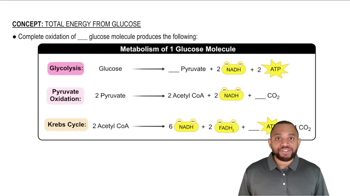
Total Energy From Glucose Concept 1

Structural Differences

The main structural difference between amylose and cellulose lies in the type of glycosidic bonds that link the glucose units. Amylose consists of α(1→4) glycosidic bonds, resulting in a helical structure, while cellulose has β(1→4) glycosidic bonds, leading to a straight, rigid structure. This difference in bonding affects their physical properties and biological functions.
추천 영상:
가이드 코스
1:01
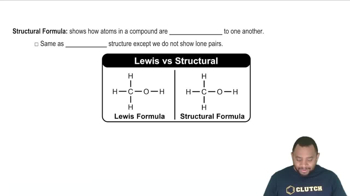
Structural Formula Concept 2

Roles in Nature

Amylose primarily serves as an energy storage molecule in plants, allowing them to store glucose for later use. In contrast, cellulose provides structural support to plant cell walls, giving them rigidity and strength. These roles are crucial for plant survival and growth, highlighting the functional significance of these two polymers in nature.
추천 영상:
가이드 코스
01:26
Nature of Energy