Back
Back
Problem 1
Which of the following bacteria causes a common type of food poisoning?
a. Streptococcus sanguis
b. Clostridium tetani
c. Staphylococcus aureus
d. Streptococcus pyogenes
Problem 2
How does Staphylococcus aureus affect the matrix between cells in the human body?
a. S. aureus triggers blood clotting, which coats the matrix and inhibits cellular
communication.
b. S. aureus produces an enzyme that dissolves hyaluronic acid and thus enables it to pass between the cells.
c. S. aureus possesses a hyaluronic acid capsule that causes leukocytes to ignore the bacterium as if it were camouflaged.
d. S. aureus does not affect the matrix but instead produces a necrotizing agent that dissolves body cells.
Problem 3
Which of the following conditions is a systemic disease caused by Staphylococcus?
a. Impetigo
b. Folliculitis
c. Carbuncle
d. Toxic shock syndrome
Problem 4
A bacterium associated with bacteremia, meningitis, and pneumonia in newborns is
a. Staphylococcus aureus
b. Staphylococcus epidermidis
c. Streptococcus pyogenes
d. Streptococcus agalactiae
Problem 5
Which type of anthrax is more common in animals and in humans?
a. Cutaneous anthrax
b. Inhalation anthrax
c. Gastrointestinal anthrax
d. Mucoid anthrax
Problem 6
Of the following genera, which can survive the harshest conditions?
a. Staphylococcus
b. Clostridium
c. Mycobacterium
d. Actinomyces
Problem 7
Pathogenic strains that have become resistant to antimicrobial drugs are found in which of the following genera?
a. Staphylococcus
b. Mycobacterium
c. Enterococcus
d. All of the above
Problem 8
The bacterium causing pseudomembranous colitis is
a. Clostridium difficile
b. Streptococcus pyogenes
c. Mycobacterium avium-intracellulare
d. Corynebacterium diphtheriae
Problem 10
In which of the following diseases would a patient experience a pseudomembrane covering the tonsils, pharynx, and larynx?
a. Tuberculoid leprosy
b. Diphtheria
c. Arrhythmia
d. Tetanus
Problem 11
Which of the following is not characteristic of mycoplasmas?
a. Cytochromes
b. Sterols in cytoplasmic membranes
c. Use of UGA codon for tryptophan
d. rRNA nucleotide sequences similar to those of Gram-positive bacteria
Problem 1
Why are mycoplasmas able to survive a relatively wide range of osmotic conditions, even though these bacteria lack cell walls?
Problem 2
Mycobacterium avium-intracellulare was considered relatively harmless until the late 20th century, when it became common in certain infections. Explain how this bacterium’s pathogenicity changed.
Problem 3
Contrast tuberculoid leprosy with lepromatous leprosy in terms of pathogenesis. How does the cellular immune response of a patient affect the form of the disease?
Problem 4
Explain how mice are used in the diagnosis of botulism poisoning.
Problem 5
Why do pediatricians recommend that children under one year never be fed honey?
Problem 6
Explain why Gram-positive mycoplasmas appear pink in a Gram-stained smear.
Problem 7
Explain the different actions of pyogenic and pyrogenic toxins.
Problem 8
Explain why Staphylococcus epidermidis is rarely pathogenic while the similar S. aureus is more commonly virulent.
Problem 9
Why did epidemiologists immediately suspect terrorism in the cases of anthrax in the fall of 2001?
Problem 10
Explain the action of the toxin of Clostridium tetani.
Problem 11
Why is mycolic acid a virulence factor for mycobacteria?
Problem 12
Compare and contrast mycoplasmas and viruses.
Problem 1
Match the genera of pathogens to their appearance in stained smears: Actinomyces, Bacillus, Clostridium, Mycobacterium, Staphylococcus, Streptococcus.
(a) Methenamine silver <IMAGE>
(b) Gram <IMAGE>
(c) Gram <IMAGE>
(d) Acid fast <IMAGE>
(e) Gram <IMAGE>
(f) Gram <IMAGE>
Problem 2
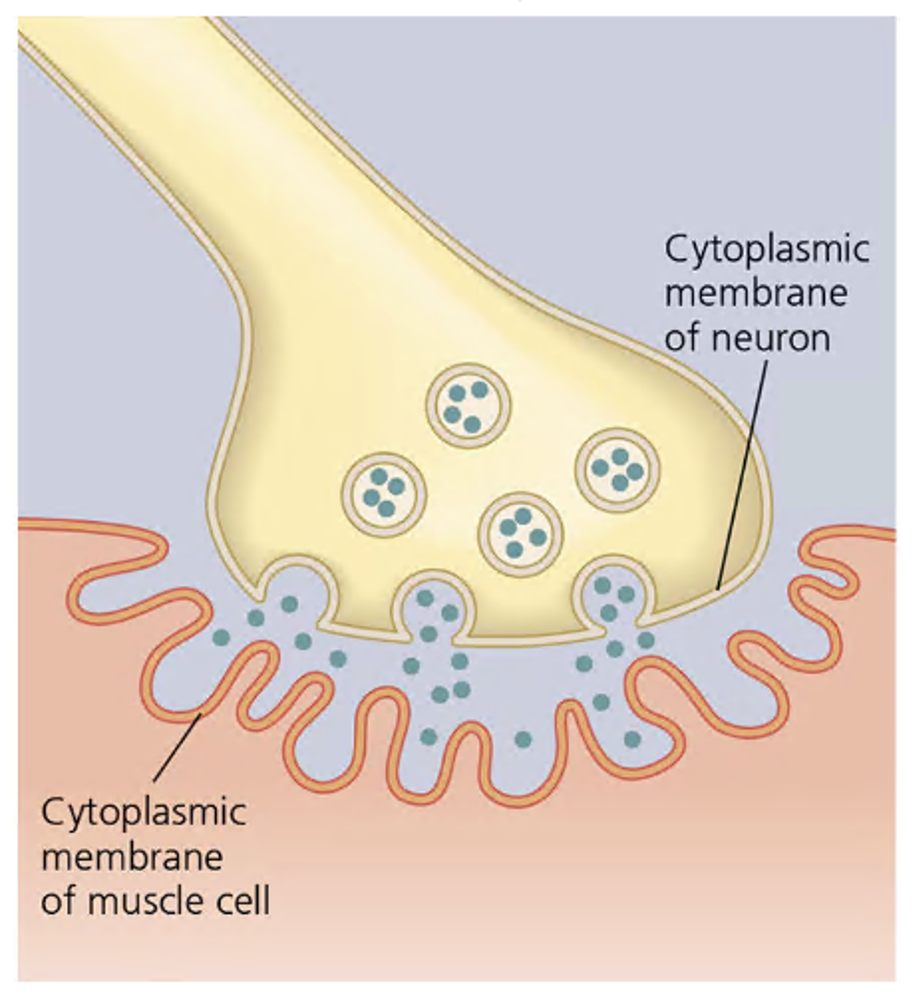
Label acetylcholine. Color the sites of action of botulism toxin on a nerve cell.