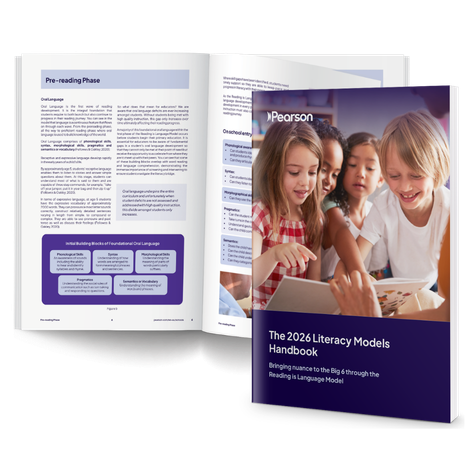
-
Build on the Big Six with greater nuance and depth
-
Understand the benefits of the Reading is Language Model
-
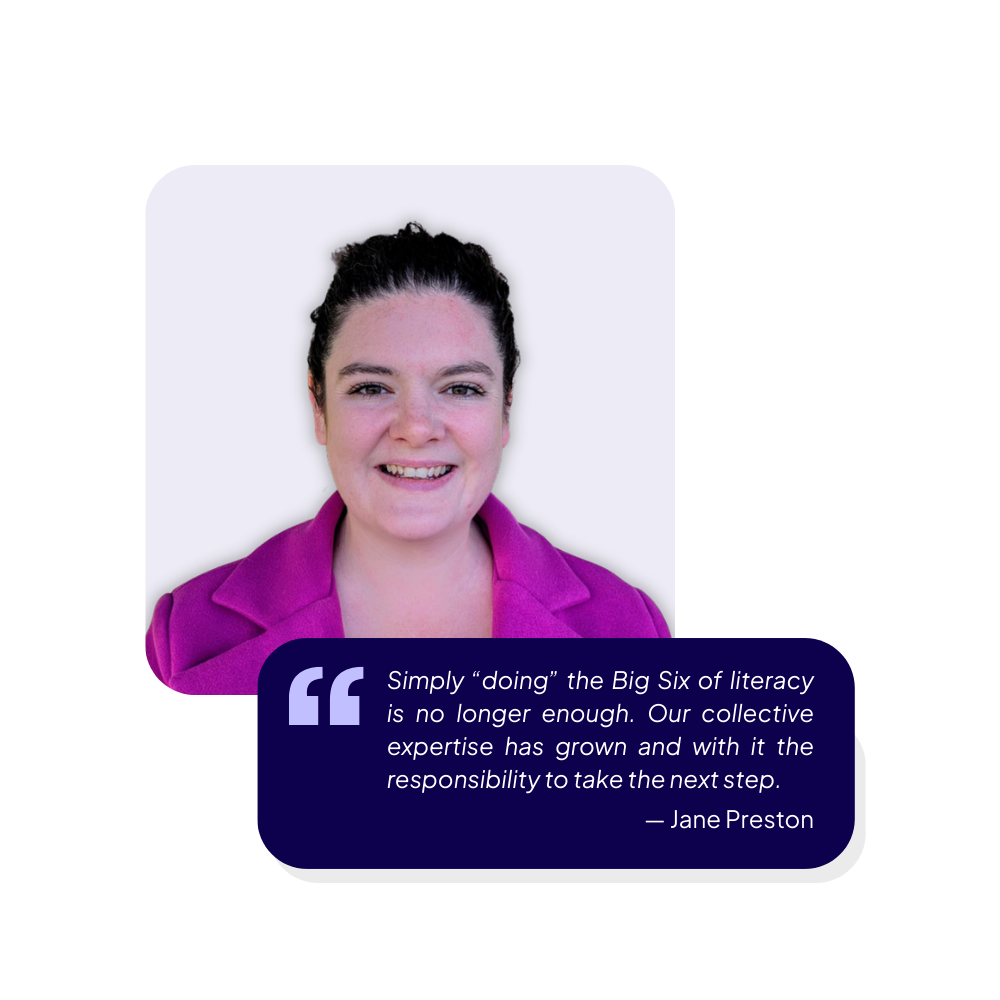
Learn from the classroom experience of literacy specialist Jane Preston

A practical guide for literacy instruction in 2026
This guide unpacks established and emerging reading models, sparking deeper consideration of the research and providing practical ideas for applying research with greater impact to improve student outcomes.
This handbook helps primary school teachers:
- understand the role of oral language at every stage of reading development
- strengthen the impact of phonics, fluency and vocabulary instruction
- teach with greater clarity, confidence and impact in the classroom.
If you want practical literacy guidance grounded by the latest research and classroom experience, this guide is for you.
Download the handbookMeet the author
Jane Preston is a dedicated Curriculum and Instructional Leadership Learning Specialist with over 13 years of experience driving meaningful change in education.
Renowned for her expertise in literacy, Jane empowers schools to strengthen reading and writing instruction through evidence-informed practices that make a lasting difference.
A passionate advocate for teacher capability and collective efficacy, Jane holds a Master of Instructional Leadership and graduated with First Class Honours for her research on school improvement. Her influence extends across her region, where she serves on both the Learning Specialist and Writing Moderation Community of Practice steering committees.
Jane’s contributions also include advancing reading instruction across primary, secondary, and tertiary settings

What’s inside the handbook
This handbook provides clear explanation of the Reading is Language Model and its relationship to established models, including:
- How it connects and extends the Big Six, the Simple view of Reading and Scarborough's Reading Rope.
- The four phases of reading development and what to look for.
- The role of oral language foundations and early screening considerations.
- Alphabetic skills, phonics instruction and automaticity development.
- Supporting word reading, fluency, vocabulary and comprehension.
- Classroom strategies teachers can apply immediately.
This guide is designed for teachers who want to sharpen practice, deepen understanding and improve reading outcomes.
How the handbook guide supports classroom teachers
The handbook gives teachers a practical way to connect the Big Six with the Reading is Language Model, helping you make more confident instructional decisions for every aspect of reading development. You’ll gain clarity on what students need, what to look for, and how to respond with teaching that is targeted, timely and effective; whether you're building oral language foundations, developing phonics mastery or deepening comprehension.
Download the handbook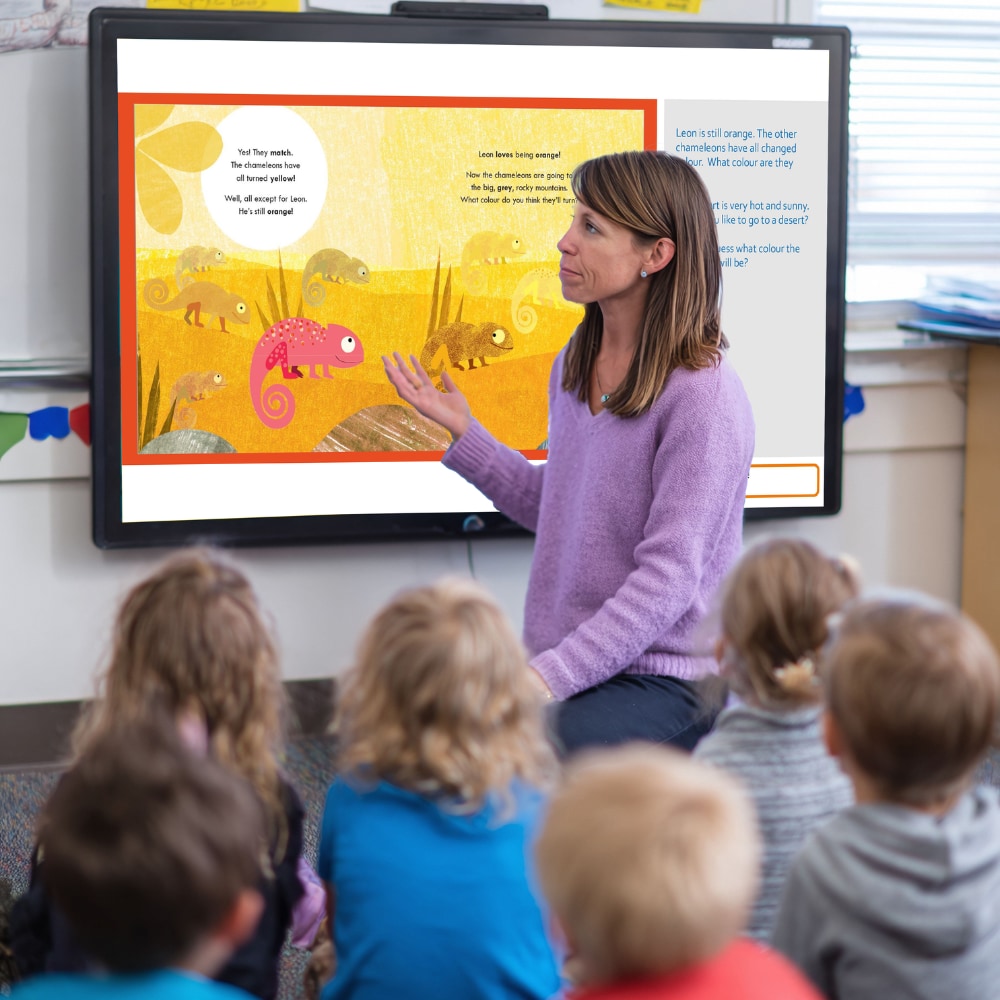
Download the 2026 Literacy Models Handbook
Complete the form to get instant access to the free handbook.
 Your local consultant