トーキングテクノロジー:21世紀のコミュニケーション戦略を教える

Ken Beatty
Ken Beatty
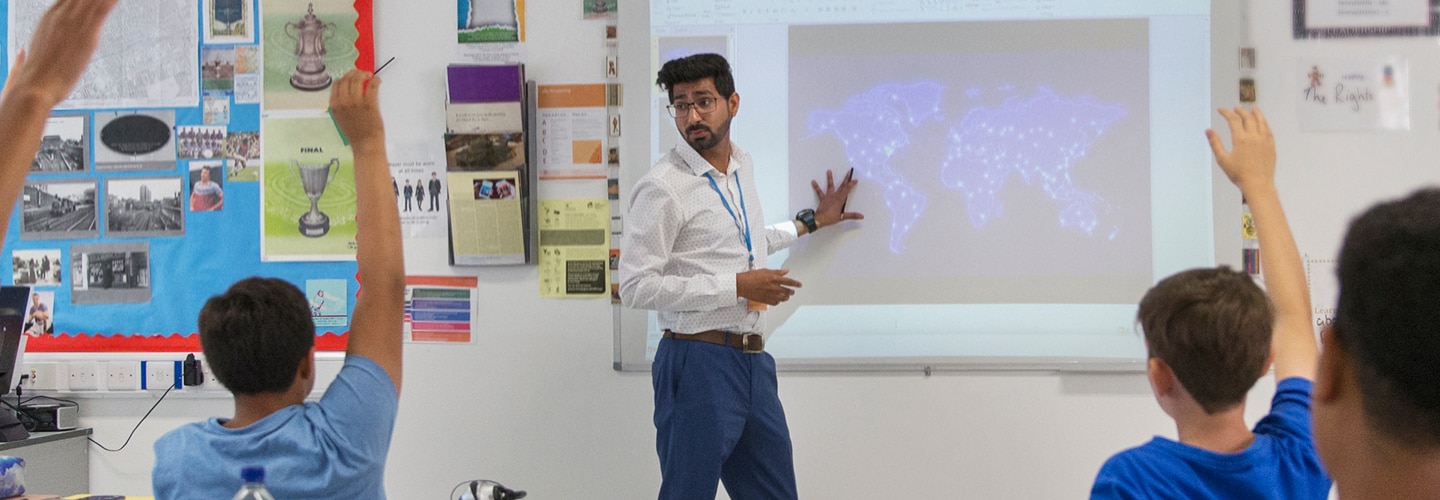
教室で若い生徒にタブレットを握っている教師は、テーブルに座っていました
所要時間: 4分間

息子が夏の仕事としてウェブコンサルティングビジネスを立ち上げたとき、私は彼のために名刺を作ってもらうことを申し出ました。「ああ、お父さん」と彼は言った、「名刺は本当に20世紀的だよ!」

それは、コミュニケーションの規範が絶えず変化していること、そして私たちが使用するテクノロジーも変化していることを思い出させる恥ずかしいことでした。若い世代は、名刺ではなく、携帯電話のソーシャルメディアアプリで連絡先情報を共有しています。同様の変化は、ファックス番号が記載された名刺からの移行です。「ファックスって何?」と息子が尋ねるかもしれません。

ファックス機は驚くほど長い寿命を持っていました(最初のファックス機は1843年に発明されました)が、電子メールの添付ファイルを介してドキュメントの画像を送信するのが簡単であるため、ほとんど引退しています。

1992年のテキストメッセージの発明など、より最近のテクノロジーはここにとどまるように見えます が、絵文字などの革新で進化し続けています。絵文字は、日本語の e (写真)と 文字 を組み合わせた名前の1998年の革新です。

55/38/7ルールと3つのC

テクノロジーの変化は、言語教師が学問、ビジネス、社会的な環境で効果的に行動するために必要な形式と戦略を生徒に準備させるのに苦労しています。これらの課題は、コミュニケーションに関する特定の規範がなぜあるのかという疑問から始まります。これらの規範は、コミュニケーションの 文化 を形成します。

アーティスト/ミュージシャンのブライアン・イーノは、文化を 「私たちがやらなくてもいいこと」と定義 しています 。歩かなければならないかもしれませんが、踊る必要はありません。したがって、ダンスは 文化です。コミュニケーションには、厳密には行う必要はないが、コミュニケーションをより成功させる文化的な慣習がたくさん詰まっています。これらには、 55/38/7ルール3つのCに基づく慣行が含まれます。

55/38/7の法則は、私たちが話すときに誰かが何を聞くかについてのものであると誤解されることがよくあります。これは、カリフォルニア大学のアルバート・メラビアン教授が、私たちの態度、感情、信念が誰かの発言に対する信頼にどのように影響するかを調べた洞察を指しています。

Mehrabian氏は、言葉がメッセージに与える影響はわずか7%に過ぎないと示唆しています。声のトーンが38%を占め、顔の表情を含むボディランゲージが残りの55%を占めています。その結果、生徒たちは何を言っているかよりも、どのように言っているが重要になることがあります。

この非言語コミュニケーションを別の方法で見るのは、3つのC、 つまりコンテキストクラスターおよび一致の観点からです。

コンテクスト とは、コミュニケーションが行われる環境、話し手間の既存の関係、および彼らが持つ役割に関するものです。例えば、パーティーで外科医に会った場合と、手術室で頭を切開しそうになる同じ外科医に会った場合とでは、これらの各要素がどのように変化するか想像してみてください。

クラスターは 、メッセージを構成するボディランゲージ表現のセットです。誰かに向かって歩きながら微笑むのと、慎重に後ずさりしながら微笑むのとは大違いです。

合同とは 、ボディランゲージが話し手の言葉とどのように一致するか、または一致しないかを指します。人々は「もちろん!それは可能だ!」と無意識のうちに首を横に振っているのは、おそらく真実ではないでしょう。

コミュニケーションの文化は、新しいテクノロジーにどのように変換されますか?携帯電話のテキストは、それ以前の19世紀の電信メッセージと同様に、その意味を正確に伝える必要があります。

仮想会議 (Teams や Google ハングアウトなど) では、生徒は、共有する言葉よりも声のトーン、顔の表情、ボディ ランゲージが重要である可能性があることを理解する必要があります。

一つの不変のものとしての礼儀正しさ

バーチャル会議におけるもう一つの重要な懸念事項は、 礼儀正しさです。以前、新しい教科書の準備として、大学の先生方の興味を引くトピックの募集に関わったことがあります。私は、何人かの教師が 礼儀正しさを教える必要性を認識していることに驚きました。教師たちは、ソーシャルメディアの簡潔さが、生徒が知らず知らずのうちに要求に対して失礼な態度をとることが多いことを指摘しました(典型的なメールは「私の成績はどこだ!」です)。さらに、そのような唐突さは、彼らの対面での交流にも及んでいました。

礼儀正しさには、 礼儀正しさ、他人と仲良くすること、そして年齢、教育、業績を通じてそれを獲得した可能性のある人々に敬意を示す敬 が含まれます。しかし、礼儀正しさは、説得に関する戦略や、積極的に耳を傾ける方法、ポイントを明確にして詳しく説明することで他のスピーカーと関わる方法、さまざまな種類の質問をする方法にも関連しています。

オンラインでも対面でも、学生が丁寧に話を遮ることができなかったり、いつ聞くのが良いかを知らなかったりすると、彼らが言わなければならないことは何でも悪い意見の法廷で失われます。

これは、セミナーの場やビジネスミーティングなど、学生がグループで交流する必要がある学術的およびビジネス的な文脈に備える場合に特に重要です。その中で、生徒はリーダーシップを発揮したり、メモを取ったり、集団の考えに挑戦するための悪魔の代弁者を演じたりするなど、さまざまな役割を引き受けることができる必要があります。

学生をプロジェクト作業に参加させる

ロールプレイは、学生の間でこれらの戦略に対する認識を高めるのに役立ちますが、一般的な学術交流やビジネス交流で見られるさまざまな役割を引き受けるだけでは十分ではありません。生徒は、各ロールプレイセッションの後に振り返り、どの戦略が成功したかを推測できる必要があります。

テクノロジーベースのプロジェクトは、学生がさまざまなコミュニケーション戦略に取り組むのにも役立ちます。たとえば、ピアソンのシリーズである StartUpは、さまざまなテキストメッセージやWebベースの研究タスクを散りばめることで、各ユニットにテクノロジーを取り入れています。また、学生が携帯電話を使用して画像やビデオを収集し、その結果をプレゼンテーションで共有して批判的思考を養うマルチメディアプロジェクトもあります。

例えば:

自分だけの動画を作る

ステップ 1 お気に入りのレストランや食事を選んでください。

ステップ 2 30 秒の動画を作成します。食事について話してください。あなたが何を食べ、何を飲むかを説明してください。なぜそれが好きなのか説明してください。

ステップ 3 動画を共有します。質問に答え、フィードバックを得ます。

このシンプルなプロジェクトは、無意識のうちにユニットの語彙と文法を強化します。また、学生は日常生活で話す必要があること、この場合は地元の食べ物などに基づいてプロジェクトをパーソナライズすることもできます。これは、各学生のプレゼンテーションが一意であることを意味します。エッセイの課題とは異なり、学生は自分の作品が他の学生に見られ、自分だけが答えることができる質問をされることを知っているため、満足するまでいくつかのバージョンを作成するために一生懸命働く傾向があります。

これらすべてにより、学生はスピーキング戦略だけでなく、適切な顔の表情やボディランゲージの戦略も考慮する必要があります。同様に、質問をしながら他の人のプレゼンテーションを聞くときも、アクティブリスニング戦略を使用する必要があります。テクノロジーが進化し続ける中、教師は新しいアプリケーションを教育に統合し、生徒が自由に使えるツールを使ってコミュニケーションする方法を学ぶ必要があります。

Pearson からの他のブログ

  • Children in a classroom with a teacher while they play with a toyhouse
    The importance of teaching values to young learners
    投稿者 Katharine Scott
    所要時間: 3 minutes

    Why teaching values matters in early education

    The years children spend in school are about far more than academic success. Alongside literacy, numeracy and subject knowledge, children develop the social and emotional skills needed to thrive in the world around them.

    From sharing ideas to resolving disagreements, these everyday interactions shape how children understand fairness, respect and responsibility. These are more than just learned skills – they are rooted in deeper values that guide behavior over time.

    Without clear guidance, children often learn behaviors simply by observing others. While this can be positive, it can also reinforce negative habits. That’s why schools play a critical role in explicitly teaching values, not just expecting them.

    Social skills vs. Social values

    Although closely related, social skills and values are not the same:

    • Social skills are behaviors (such as taking turns, listening, cooperating)
    • Social values are the principles behind those behaviors (such as fairness, respect, empathy)

    When children understand why something matters—not just what to do—they are more likely to apply those behaviors consistently.

    Core values every child should learn

    Defining values can be complex, but most education systems emphasize a shared set of foundational principles:

    • Respect for others and appreciation of diversity
    • Collaboration and community awareness
    • Environmental responsibility
    • Self-worth and confidence

    Even at a young age, children demonstrate a natural sense of fairness and honesty. With the right support, these instincts can be developed into strong moral foundations.

    Moving beyond “School Rules”

    Too often, values are reduced to simple instructions like:

    • “Don’t be late”
    • “Wait your turn”
    • “Be kind”

    While important, these rules can feel arbitrary if not explained. Without context, children may follow them only when supervised – or break them when they can.

    To truly teach values, educators need to:

    • Explain the reasoning behind rules
    • Encourage discussion and reflection
    • Connect actions to real-world impact

    This transforms rules into meaningful learning experiences.

    Effective school strategies for teaching values

    The most successful approaches to values education involve the entire school community – teachers, students, parents and staff.

    1. Environmental awareness programs

    Schools can foster responsibility through hands-on initiatives such as:

    • Recycling systems
    • School gardens
    • Renewable energy projects
    • Second-hand bookshops

    These activities help children understand their role in protecting the planet.

    2. Anti-bullying initiatives

    Strong anti-bullying programs go beyond policies and focus on prevention through:

    • Empathy-building exercises
    • Peer accountability activities
    • Confidence and self-esteem development

    Helping children recognize and respond to bullying is key to creating a safe environment.

    3. Anti-racism and inclusion programs

    Promoting inclusivity requires a proactive, school-wide approach:

    • Teaching diverse histories and cultures
    • Inviting guest speakers from different communities
    • Challenging stereotypes through discussion
    • Encouraging empathy for marginalized groups

    These efforts help children develop respect for diversity from an early age.

    The role of consistency

    Children learn as much from what adults do as from what they say. For values education to be effective:

    • Teachers must model positive behavior
    • School policies should reflect stated values
    • Parents should be involved where possible

    Consistency across all environments reinforces learning and builds trust.

    Putting values into practice

    Teaching values to young learners is not an “extra” part of education – it is foundational. When children understand respect, empathy and responsibility, they are better equipped to succeed academically, socially and emotionally.

    By embedding values into everyday learning and school culture, educators can help shape thoughtful, responsible individuals who contribute positively to society.

  • A woman smiling working on a laptop
    Studying in the USA? A fast at-home English test is now an option
    投稿者 Abi Fordham
    所要時間: 2 minutes

    If you’re a student planning to study in the USA, life probably feels a bit like having too many tabs open at once. University sites. Visa info. Messages from friends already abroad. And a growing list of things that all feel important.

    Somewhere in the middle of that is your English test.

    A test people trust for good reason

    For years, students have chosen PTE because it’s built to be trusted, backed by real expertise, research and quality. That’s why it’s become a familiar name for students planning to study abroad, and why institutions trust it too. That foundation hasn’t changed. What has changed is how students live, learn, and prepare today.

    Same roots, for different routes

    PTE Express originates from the same principles. Same values. Same attention. It’s simply tailored for a different kind of test taker at a specific point in their journey. If you’re aiming to study in the USA and need a quick, at-home English test, PTE Express is made to fit into your life rather than forcing you to reshape everything around a test date. And let’s address test anxiety because it’s a real concern.

    Many students worry about English tests. Not because they don’t know English, but because test situations can make things feel harder than they should be. Speaking to an examiner face‑to‑face can feel intimidating. Worrying about being misunderstood because of your accent is a real concern. Travelling to a test centre adds pressure before you even start. Sitting in an unfamiliar room can make nerves worse.

    That’s not a lack of ability. That’s just being human. While PTE Academic already addresses lots of these worries, we have gone a step further with PTE Express.

    Why at‑home testing can feel different

    One of the quiet benefits of an at‑home test is how much calmer it can feel. You’re in a familiar space. You control your environment. There’s no examiner in front of you, just you and the screen. For many students, that makes it easier to focus and show their real English, without the extra stress that comes from unfamiliar settings or face‑to‑face pressure. PTE Express was designed with this in mind: calm, considered, and supportive, while still being secure and trusted by institutions.

    When the USA is the plan

    If you already know the USA is your destination, things can start to feel more time‑sensitive. Deadlines get closer. Decisions feel heavier. You’re no longer exploring, you’re preparing your next move. PTE Express fits naturally here. It’s a fast, at‑home option for US study, built on the foundations of Pearson that students already trust, and delivered in a way that works for when life is busy and timelines are tight.

    A choice that actually reduces pressure

    The good news is, you don’t have to overthink this. If you want to keep your options open across different countries, there’s a trusted path in PTE Academic that supports that. If you’re focused on studying in the USA and want something fast, familiar and at home, there’s now an option designed for exactly that. No trade‑offs. No feeling like you’re cutting corners. Just choices that match different moments.

    Focus on what really matters

    Studying in the USA is a big step. It’s about independence, growth and starting something new. Your English test should feel like something that supports you quietly in the background, not something that adds more stress to an already intense moment. With PTE Express now live in most countries, including India, students heading to the USA have a calm, trusted at‑home option, built on foundations that have been relied on for years. And sometimes, feeling calm and confident is exactly what helps you do your best.  

  • Man sat outdoors holding a tablet smiling
    Understanding and managing technostress
    投稿者 Amy Malloy
    所要時間: 2 minutes

    What is technostress?

    If you find yourself constantly checking social media or feeling pressure to keep up with the latest technology, you may be experiencing technostress. It can show up in different ways, including difficulty focusing on everyday tasks, low motivation or mood, and anxiety around using technology. It even causes some people to avoid digital tools altogether.

    Technostress affects people differently, but at its core is a shared experience, as Chiapetta (2017) defines it: “Technostress is a syndrome that occurs when a person, subjected to information overload and continuous contact with digital devices, develops a state of stress.” This constant exposure to technology has only got more extreme since Chiapetta since defined the syndrome. As a result, technostress is something that more and more people are likely to experience.