
Textbook Question
Compare the structures of vitamin A and vitamin C. Which one is water-soluble and which is fat-soluble? What structural features does each have that make one water-soluble and the other fat-soluble?
30
views

 Verified step by step guidance
 1:26
1:26
 02:16
02:16 1:30
1:30Compare the structures of vitamin A and vitamin C. Which one is water-soluble and which is fat-soluble? What structural features does each have that make one water-soluble and the other fat-soluble?
Based on the structure shown for retinol (vitamin A) and the names of the two related forms of vitamin A, retinal and retinoic acid, what do you expect to be the structural differences among these three compounds?
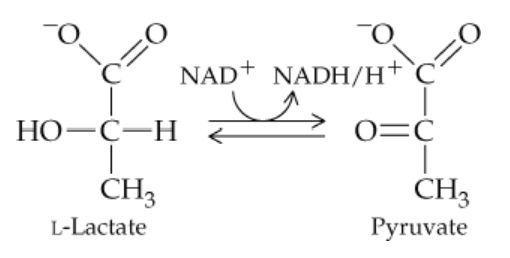
Answer questions (a)–(e) concerning the following reaction:
b. Since hydrogens are removed, the enzyme belongs to what subclass of the enzyme class from part (a)?
Vitamins are a diverse group of compounds that must be present in the diet. List four functions of vitamins in the body.
Answer questions (a)–(e) concerning the following reaction:
d. What is the product for the reaction as written?
Answer questions (a)–(e) concerning the following reaction:
c. What is the substrate for the reaction as written?