Pearson+ LogoPearson+ Logo
Ch.12 Introduction to Organic Chemistry: Alkanes
McMurry - Fundamentals of GOB 8th Edition
McMurry8th EditionFundamentals of GOBISBN: 9780134015187Not the one you use?Change textbook
Chapter 12, Problem 49

There are two things wrong with the following structure. What are they?
Chemical structure of a hydrocarbon with two identified errors in its representation.

Verified step by step guidance
1
Examine the structure provided in the image carefully, focusing on the arrangement of atoms, bonds, and any formal charges.
Check for violations of the octet rule, which states that most atoms (except hydrogen and a few others) should have eight electrons in their valence shell.
Verify the connectivity of atoms to ensure that the correct number of bonds is present for each atom based on its typical bonding behavior (e.g., carbon forms four bonds, oxygen forms two bonds, etc.).
Look for any incorrect formal charges by calculating the formal charge for each atom using the formula: Formal Charge = Valence Electrons - (Nonbonding Electrons + 1/2 Bonding Electrons).
Identify any other structural issues, such as incorrect placement of lone pairs, missing or extra bonds, or improper atom types in the structure.

Verified video answer for a similar problem:

This video solution was recommended by our tutors as helpful for the problem above.
Was this helpful?

Key Concepts

Here are the essential concepts you must grasp in order to answer the question correctly.

Structural Integrity

Structural integrity refers to the ability of a structure to withstand its intended load without experiencing failure due to deformation or collapse. It involves analyzing the materials, design, and construction methods used to ensure that the structure can support the forces acting upon it, such as weight, wind, and seismic activity.
Recommended video:
Guided course
1:01
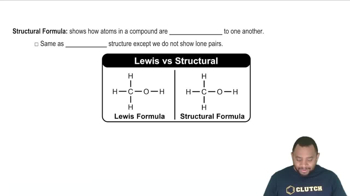
Structural Formula Concept 2

Design Principles

Design principles are fundamental guidelines that inform the creation and evaluation of structures. These principles include balance, proportion, and harmony, which help ensure that a structure is not only functional but also aesthetically pleasing and safe. Understanding these principles is crucial for identifying flaws in a structure's design.

Building Codes and Standards

Building codes and standards are regulations that set the minimum requirements for construction and safety in buildings. They cover aspects such as materials, structural design, and safety measures to protect occupants. Familiarity with these codes is essential for assessing whether a structure meets legal and safety requirements.
Recommended video:
Guided course
01:21
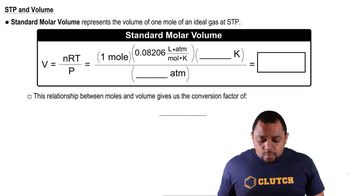
Standard Temperature and Pressure Concept 2