Pearson+ LogoPearson+ Logo
Ch.18 Amino Acids and Proteins
McMurry - Fundamentals of GOB 8th Edition
McMurry8th EditionFundamentals of GOBISBN: 9780134015187Not the one you use?Change textbook
Chapter 18, Problem 2

Cortisol levels rise under stressful conditions. Oxytocin can induce relaxation and romantic feelings. What type of protein are cortisol and oxytocin?

Verified step by step guidance
1
Cortisol and oxytocin are not proteins; they are different types of biomolecules. Let’s clarify their classifications.
Cortisol is a steroid hormone. Steroid hormones are derived from cholesterol and are lipid-soluble molecules that can pass through cell membranes to interact with intracellular receptors.
Oxytocin, on the other hand, is a peptide hormone. Peptide hormones are short chains of amino acids (small proteins) that bind to receptors on the surface of cells to trigger a response.
To summarize, cortisol is a steroid hormone, while oxytocin is a peptide hormone. Both play significant roles in the body but belong to different classes of biomolecules.
Understanding the distinction between steroid hormones and peptide hormones is important in biochemistry, as their mechanisms of action and solubility differ significantly.

Verified video answer for a similar problem:

This video solution was recommended by our tutors as helpful for the problem above.
Was this helpful?

Key Concepts

Here are the essential concepts you must grasp in order to answer the question correctly.

Peptide Hormones

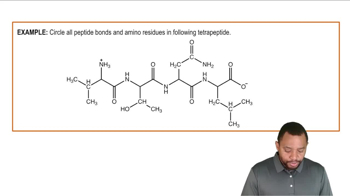
Cortisol and oxytocin are classified as peptide hormones, which are short chains of amino acids. These hormones are synthesized in specific glands and released into the bloodstream, where they exert various physiological effects. Peptide hormones play crucial roles in regulating mood, stress response, and social bonding.
Recommended video:
Guided course
1:24
Peptides Example 1

Endocrine System

The endocrine system is a network of glands that produce and secrete hormones directly into the bloodstream. This system regulates numerous bodily functions, including metabolism, growth, and stress responses. Understanding the endocrine system is essential for comprehending how hormones like cortisol and oxytocin influence behavior and physiological processes.
Recommended video:
Guided course
01:18
First Law of Thermodynamics

Stress Response

The stress response, often referred to as the 'fight or flight' response, involves the release of hormones like cortisol in reaction to perceived threats. This response prepares the body to handle stress by increasing energy availability and altering various bodily functions. In contrast, oxytocin is associated with relaxation and social bonding, highlighting the complex interplay between stress and emotional well-being.
Recommended video:
Guided course
00:36
What is Chemistry? Example 1