Ch. 1 - The Molecular Basis of Heredity, Variation, and Evolution
Chapter 1, Problem 10i

Define each of the following terms:
Phenotype

Verified step by step guidance
1
The term 'phenotype' refers to the observable physical, biochemical, and behavioral traits of an organism. These traits result from the interaction of the organism's genotype (genetic makeup) with the environment.
To understand this better, note that the phenotype includes characteristics such as eye color, height, blood type, or even the presence of a disease.
Phenotypes are influenced by both genetic factors (the alleles inherited from the parents) and environmental factors (such as nutrition, temperature, or exposure to chemicals).
For example, in pea plants studied by Gregor Mendel, the phenotype could be the color of the flowers (e.g., purple or white), which is determined by the plant's genotype and the expression of specific genes.
In summary, the phenotype is the outward expression of an organism's genetic information as modified by environmental influences.

Verified video answer for a similar problem:

This video solution was recommended by our tutors as helpful for the problem above.
Video duration:
1m
Was this helpful?

Key Concepts

Here are the essential concepts you must grasp in order to answer the question correctly.

Phenotype

Phenotype refers to the observable physical and physiological traits of an organism, which result from the interaction of its genotype with the environment. This includes characteristics such as height, eye color, and behavior. Understanding phenotype is crucial in genetics as it reflects how genetic information is expressed in real-world traits.
Recommended video:
Guided course
10:48
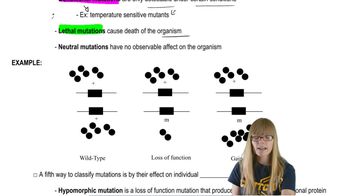
Mutations and Phenotypes

Genotype

Genotype is the genetic constitution of an organism, encompassing all the alleles inherited from its parents. It serves as the blueprint for the potential traits an organism can express. The relationship between genotype and phenotype is fundamental in genetics, as variations in genotype can lead to different phenotypic outcomes.
Recommended video:
Guided course
07:52
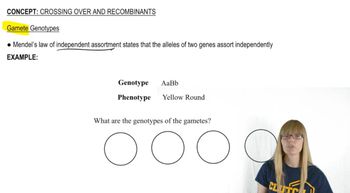
Gamete Genotypes

Environmental Influence

Environmental influence refers to the external factors that can affect the expression of an organism's genotype, thereby shaping its phenotype. These factors include nutrition, climate, and exposure to toxins. Recognizing the role of the environment is essential for understanding the complexity of phenotypic variation in populations.
Recommended video:
Guided course
03:38
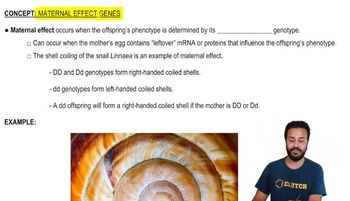
Maternal Effect