Pearson+ LogoPearson+ Logo
Ch.13 Alkenes, Alkynes, and Aromatic Compounds
McMurry - Fundamentals of GOB 8th Edition
McMurry8th EditionFundamentals of GOBISBN: 9780134015187Not the one you use?Change textbook
Chapter 13, Problem 40

Seven alkynes have the formula C6H10. Draw them using line structures.

Verified step by step guidance
1
Step 1: Understand the molecular formula C₆H₁₀. This formula represents an alkyne, which is a hydrocarbon containing a triple bond. The general formula for alkynes is CₙH₂ₙ₋₂, confirming that C₆H₁₀ is an alkyne.
Step 2: Begin by drawing the simplest structure, a straight-chain alkyne (1-hexyne). Place the triple bond between the first and second carbon atoms in the chain.
Step 3: Create positional isomers by moving the triple bond along the chain. For example, draw 2-hexyne (triple bond between the second and third carbons) and 3-hexyne (triple bond between the third and fourth carbons).
Step 4: Consider branching to create structural isomers. For instance, draw 3-methyl-1-pentyne (a methyl group attached to the third carbon of a five-carbon chain with a triple bond at the first position). Repeat this process for other possible branching configurations.
Step 5: Verify that each structure adheres to the molecular formula C₆H₁₀ and contains one triple bond. Ensure no duplicate structures are included and confirm that all seven unique alkynes are represented.

Verified video answer for a similar problem:

This video solution was recommended by our tutors as helpful for the problem above.
Was this helpful?

Key Concepts

Here are the essential concepts you must grasp in order to answer the question correctly.

Alkynes

Alkynes are a class of hydrocarbons characterized by at least one carbon-carbon triple bond. They follow the general formula CnH2n-2, where 'n' is the number of carbon atoms. In the case of C6H10, the presence of a triple bond indicates that the structure will have fewer hydrogen atoms compared to alkanes or alkenes.
Recommended video:
Guided course
4:11
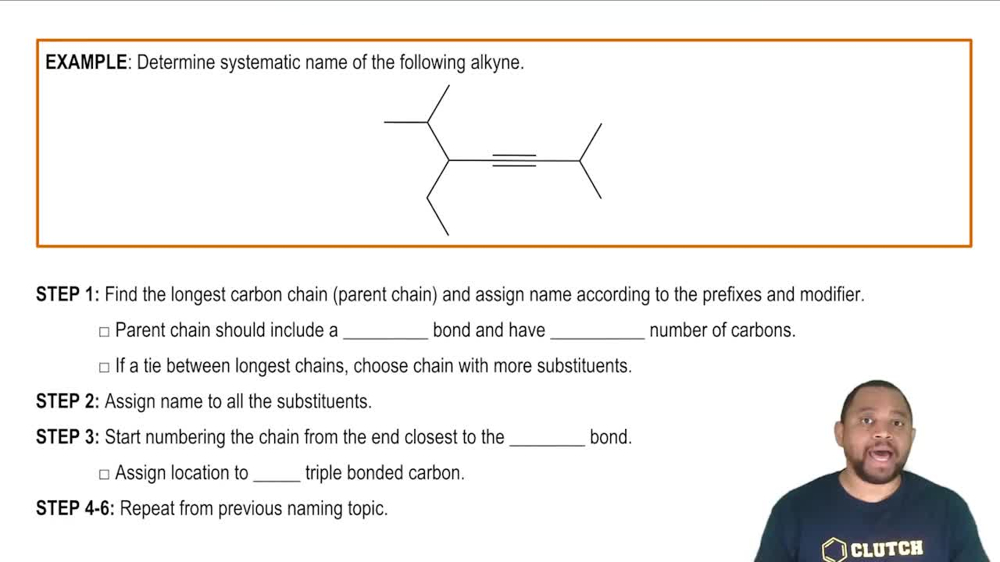
Naming Alkynes Example 1

Line Structures

Line structures, or skeletal structures, are a simplified way of representing organic molecules. In these diagrams, carbon atoms are represented by the ends and intersections of lines, while hydrogen atoms are often omitted for clarity. This method allows chemists to visualize the connectivity and geometry of the molecule without cluttering the diagram with every atom.
Recommended video:
Guided course
01:59
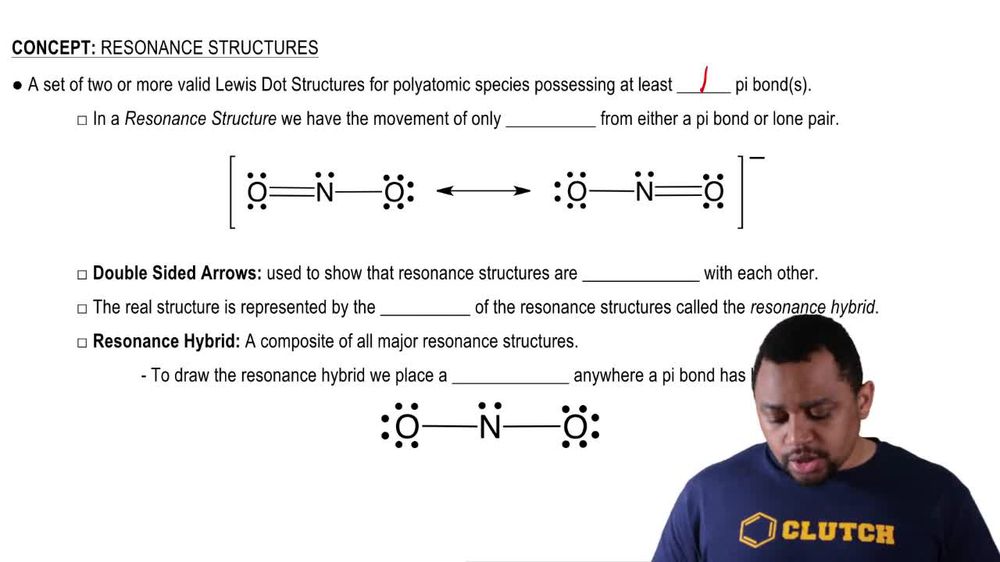
Resonance Structures (Simplified) Concept 1

Isomerism

Isomerism refers to the existence of compounds with the same molecular formula but different structural arrangements. For C6H10, the seven alkynes can be represented as different isomers, including variations in the position of the triple bond and the arrangement of carbon chains. Understanding isomerism is crucial for drawing all possible structures accurately.
Recommended video:
Guided course
1:26
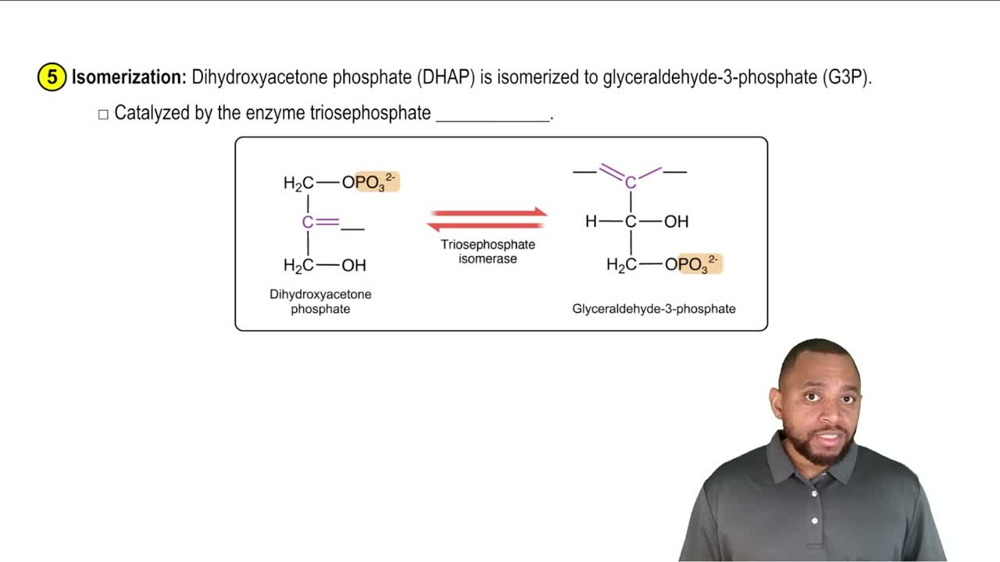
Glycolysis Concept 5