

Pearson+ LogoPearson+ Logo
Ch.11 Nucleic Acids Big Molecules with a Big Role
Frost - General, Organic and Biological Chemistry 4th Edition
Frost4th EditionGeneral, Organic and Biological ChemistryISBN: 9780134988696Not the one you use?Change textbook
Chapter 7, Problem 80

How is CRISPR different from earlier recombinant DNA techniques?

Verified step by step guidance
1
Understand that CRISPR (Clustered Regularly Interspaced Short Palindromic Repeats) is a revolutionary tool for editing genomes, allowing researchers to easily alter DNA sequences and modify gene function.
Recognize that earlier recombinant DNA techniques often involved the use of restriction enzymes to cut DNA at specific sequences, which was less precise and more time-consuming.
Note that CRISPR uses a guide RNA to direct the Cas9 enzyme to a specific location in the genome, allowing for precise cutting and editing of the DNA at that location.
Consider that CRISPR is more versatile and efficient compared to earlier methods, as it can be used to target multiple genes simultaneously and is easier to design and implement.
Acknowledge that CRISPR has a wide range of applications, from basic research to potential therapeutic uses, making it a powerful tool in modern genetic engineering.

Verified video answer for a similar problem:

This video solution was recommended by our tutors as helpful for the problem above.
Video duration:
1m
Was this helpful?

Key Concepts

Here are the essential concepts you must grasp in order to answer the question correctly.

CRISPR Technology

CRISPR (Clustered Regularly Interspaced Short Palindromic Repeats) is a revolutionary gene-editing technology that allows for precise modifications to DNA. It utilizes a guide RNA to direct the Cas9 enzyme to specific locations in the genome, enabling targeted cuts and subsequent alterations. This method is faster, cheaper, and more efficient than previous techniques.
Recommended video:
Guided course
03:37
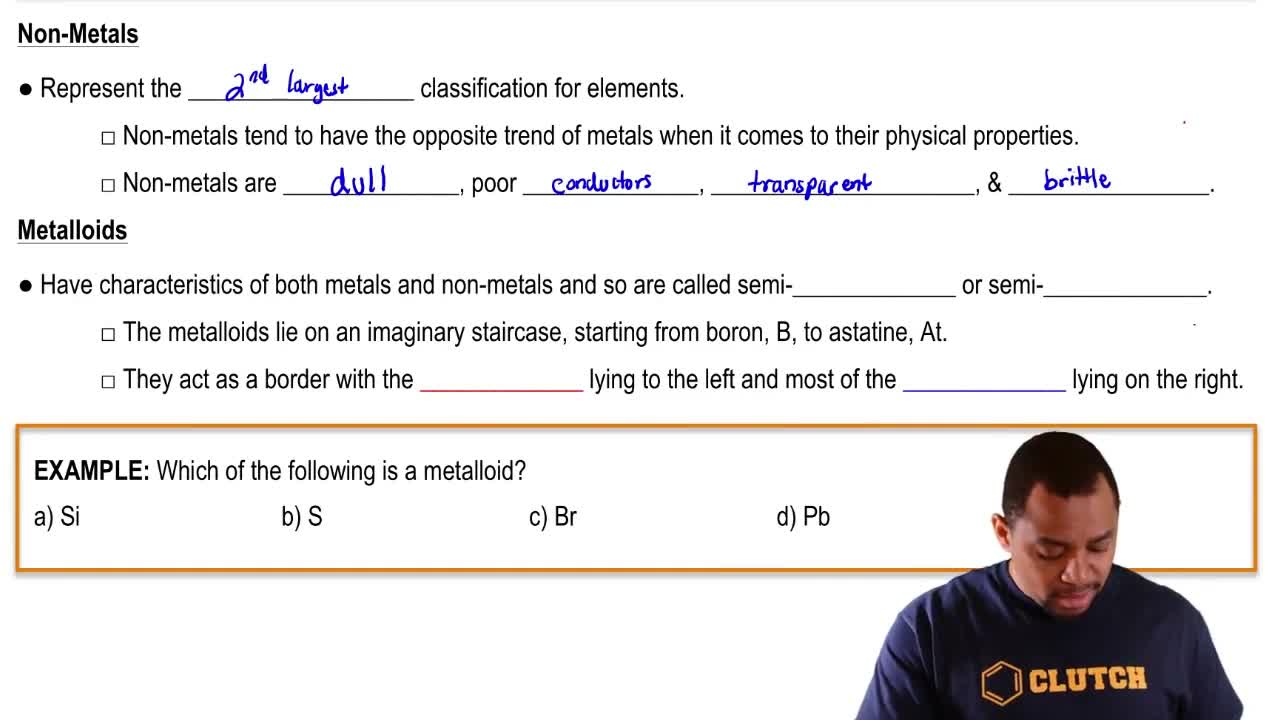
Periodic Table: Classifications

Recombinant DNA Techniques

Recombinant DNA techniques involve combining DNA from different sources to create new genetic combinations. Traditional methods often relied on restriction enzymes to cut DNA and ligases to join fragments, which could be time-consuming and less precise. These techniques laid the groundwork for genetic engineering but lacked the specificity and ease of CRISPR.
Recommended video:
Guided course
5:08
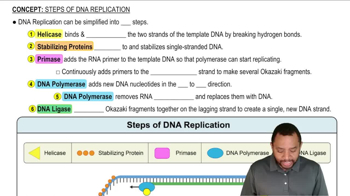
Steps of DNA Replication Concept 1

Precision and Efficiency

One of the key differences between CRISPR and earlier recombinant DNA techniques is the level of precision and efficiency. CRISPR allows for targeted editing of specific genes with minimal off-target effects, whereas older methods often resulted in random insertions or deletions. This precision makes CRISPR a powerful tool for research and therapeutic applications.
Recommended video:
Guided course
01:49
Significant Figures Precision Concept