
교과서 질문
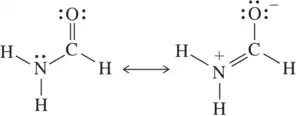
i) Which of the following resonance structures represents the 'actual' structure of the molecule shown? (ii) Which contributes more to the resonance hybrid? (iii) Why?
(a)
(b)
(c)
1036
views

 검증된 단계별 안내
 03:04
03:04
 01:34
01:34 03:54
03:54i) Which of the following resonance structures represents the 'actual' structure of the molecule shown? (ii) Which contributes more to the resonance hybrid? (iii) Why?
(a)
(b)
(c)
A molecular orbital diagram is shown for the C―Cl bond in chloromethane. If two more electrons were added to chloromethane, where would the electrons go?
<IMAGE>
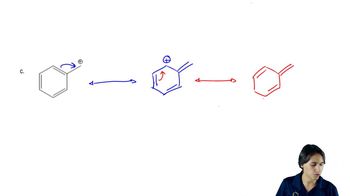
Draw the resonance structure that would result from the indicated movement of electrons.
(a)
How might electrons be excited from π to π* based on the molecular orbital diagram shown? [This will be relevant in Chapter 21.]
<IMAGE>
Each pair of structures represents two valid resonance structures. Use the arrow-pushing formalism to justify the formation of the one on the left from the one on the right.
(a)
For each of the molecules shown, do the following:
(i) Identify all pushable pairs.
(ii) Identify all places where electrons can be pushed.
(iii) Draw one valid resonance structure.
(a)