

The big debate: Should critical thinking be taught as a standalone subject in schools?
by

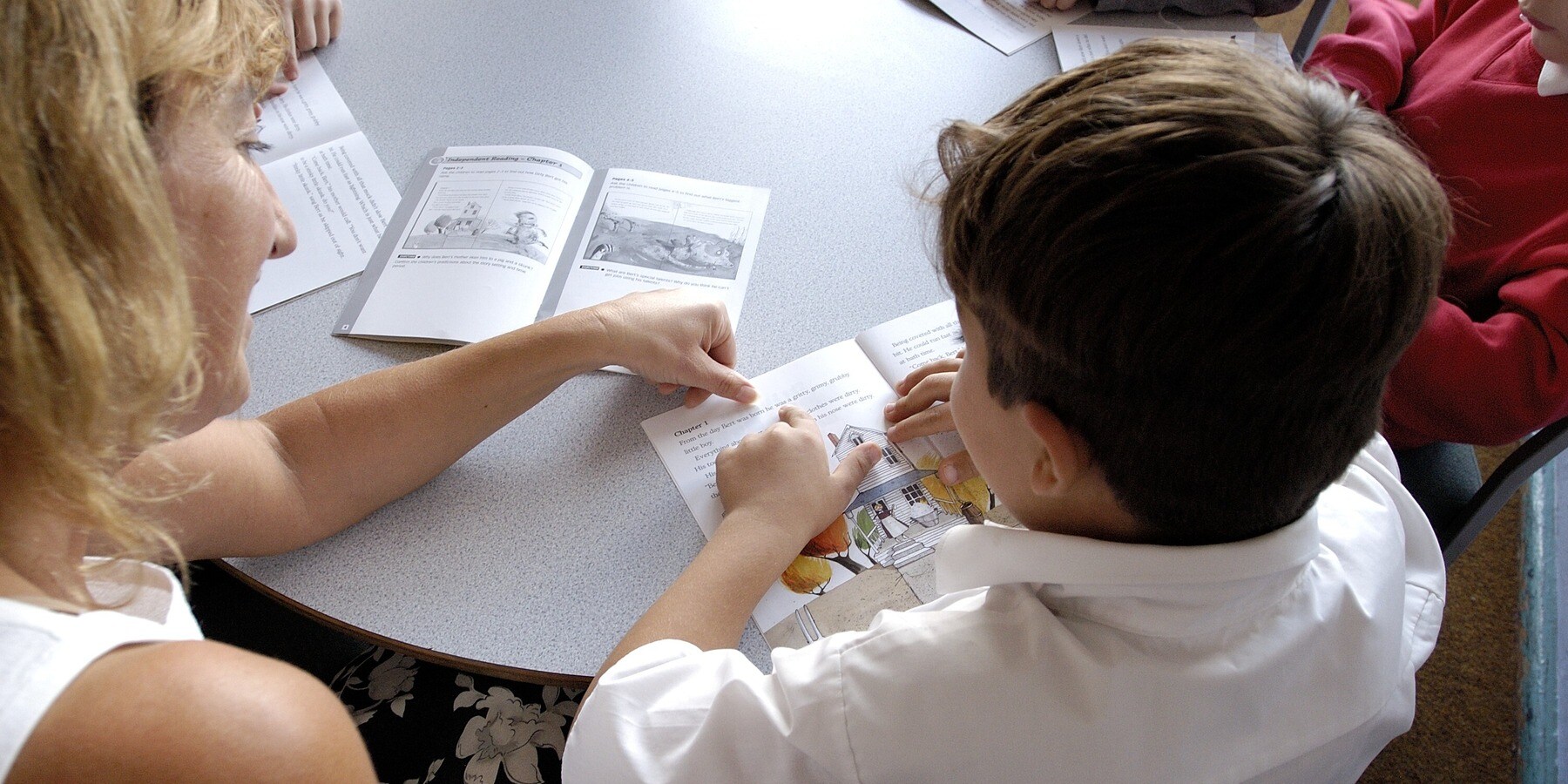
Critical thinking is an essential skill for students – but should it be taught as a standalone subject? We consider the reasons for and against.
Read moreby
Critical thinking is an essential skill for students – but should it be taught as a standalone subject? We consider the reasons for and against.
Read moreby
Most educators would agree that concept-based teaching and learning is vital to any meaningful education. The IB programme, for example, aligns with concept-based teaching and learning through its emphasis on critical thinking, intercultural understanding, transfer of knowledge and the learner profile.
Read moreby
Paraprofessionals are the unsung heroes of the classroom. Follow these steps to ensure their voices are heard and valued.
Read moreby
We can’t yet fully understand the effects of remote learning during the pandemic. But what are students back in school showing us already? We take a look.
Read moreby
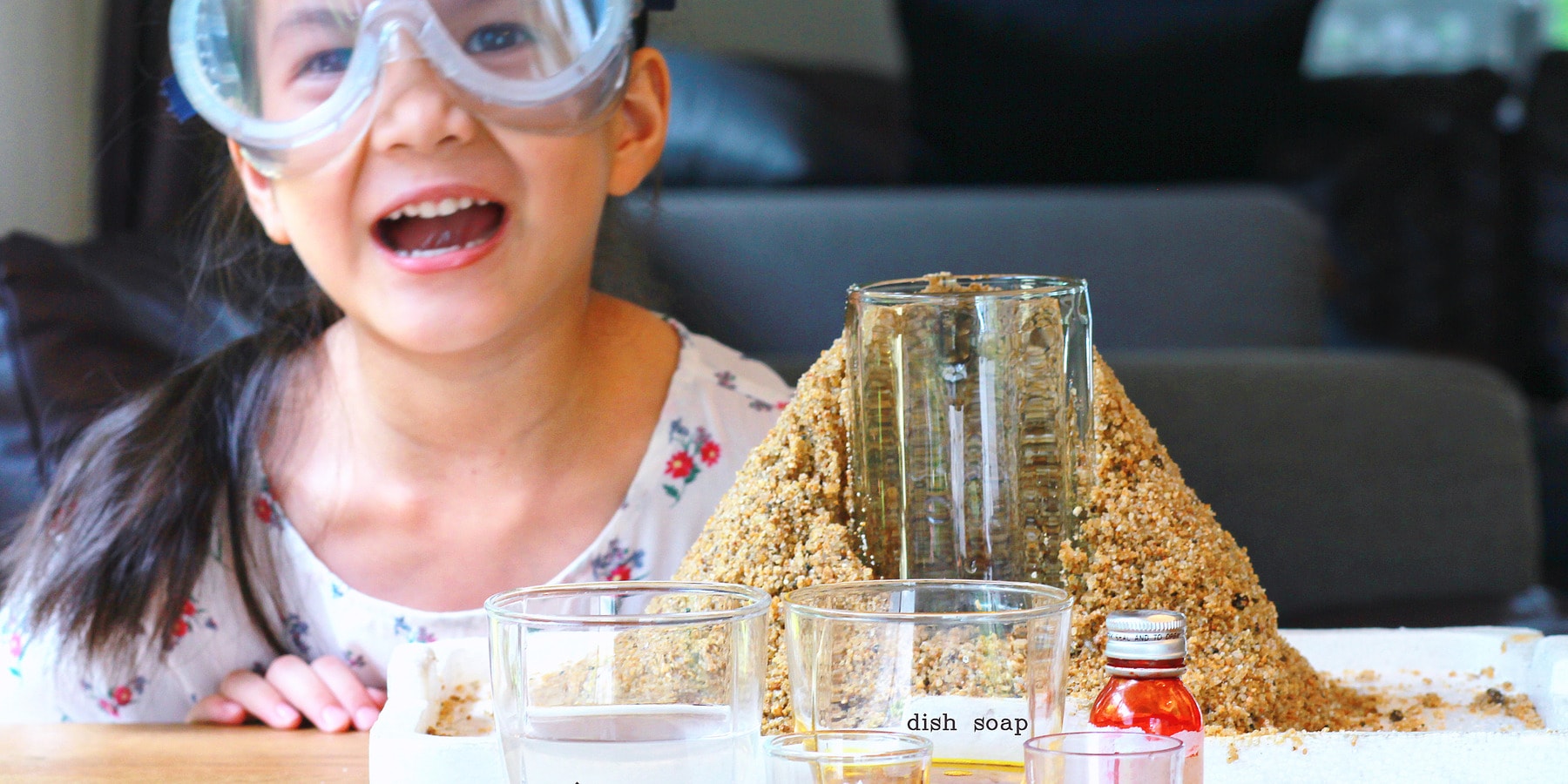
Looking for science experiments for school that are explosive (sometimes literally) and that relate to the real world? Get started with these suggestions.
Read moreby
Meet a 'true magician' in the classroom. Our 2024 Pearson International School Teacher of the Year, Auzair Collector, reveals his education tricks.
Read moreby
World Mental Health Day 2024 is an opportunity to discuss important topics around health and emotions with young people. Get started with these tips.
Read moreby
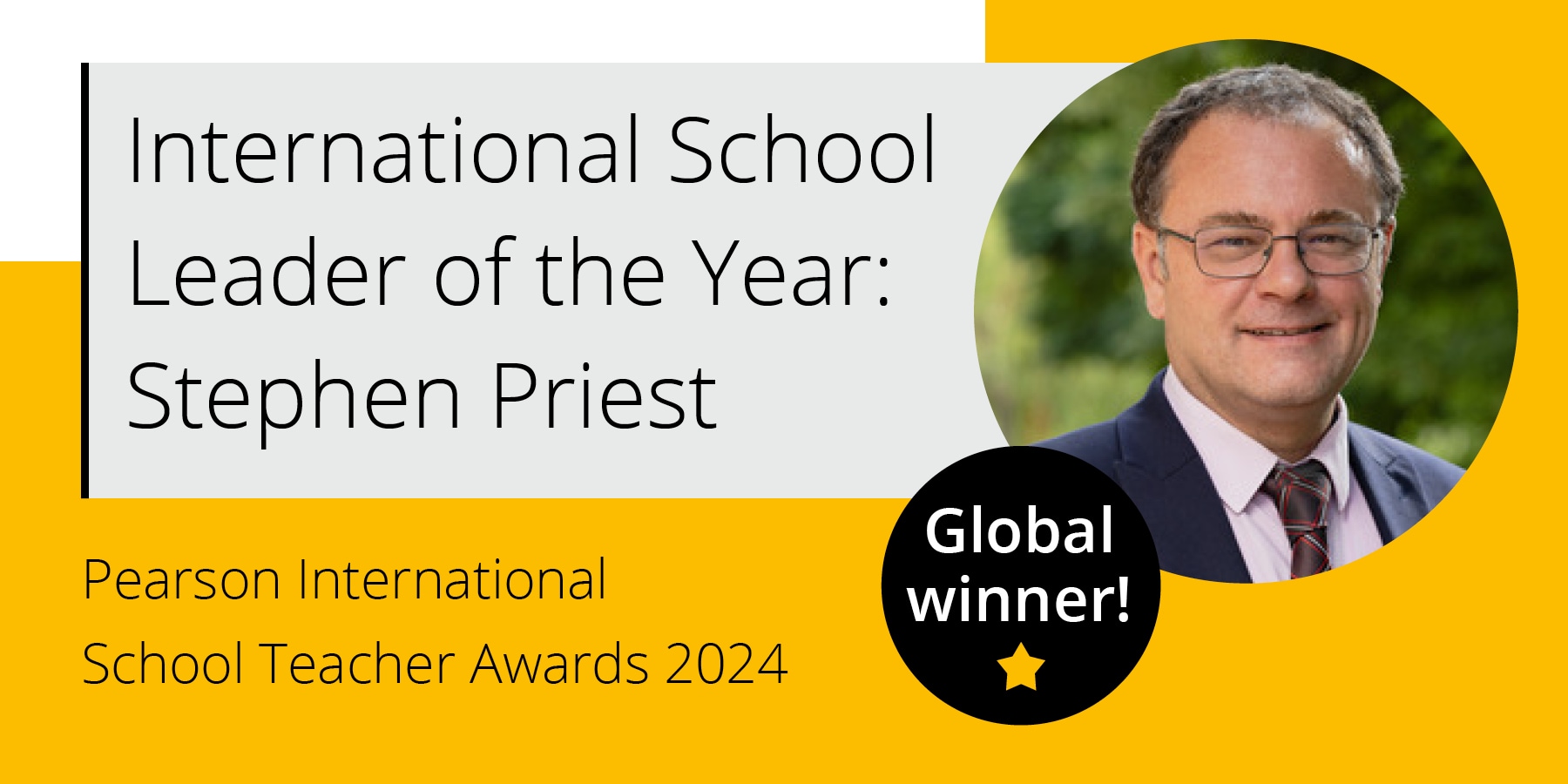
Learn how Pearson International School Leader of the Year Stephen Priest has created a strong school community in Tbilisi.
Read moreby
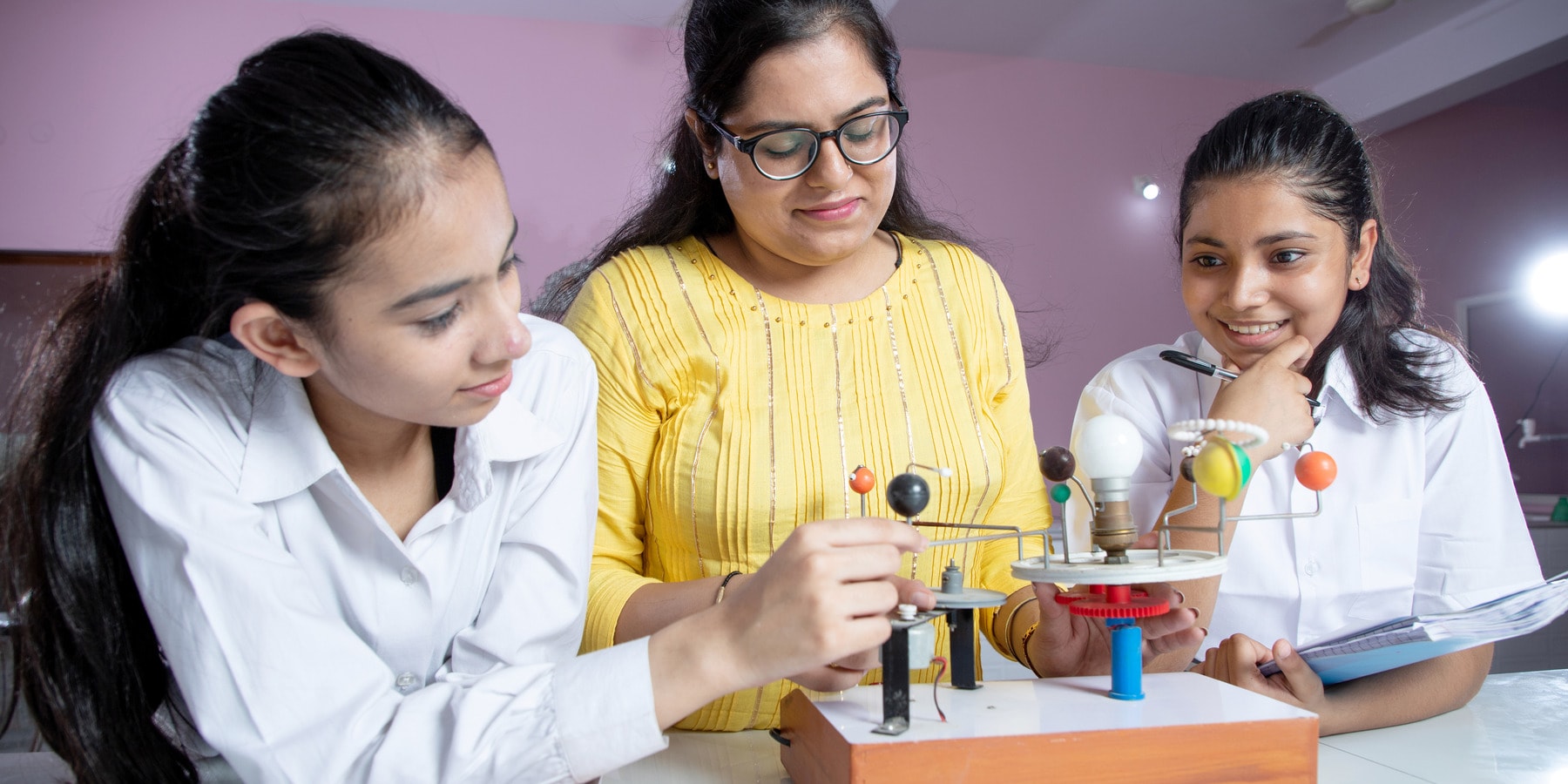
In this article, we explore why schools in India are adopting Pearson Edexcel’s international curriculum under NEP 2024, focusing on global best practices, degree equivalences and preparing students for international universities and careers.
Read moreby
Discover five creative ideas to teach the UN Sustainable Development Goals and foster the key skills learners will need for the future.
Read more