
• Around the world: FlexEd at British School Muscat

    by

    In this article, Kai Vacher, Principal of British School Muscat in Oman explains how in early 2020, his school developed an idea that at the time seemed novel, innovative and creative: delivering a whole curriculum through a mix of online and face-to-face teaching. Of course, within a few months, the whole world was doing likewise. But what British School Muscat created was not about overcoming a pandemic, but something more fundamental: about international schools and their staff using their skills to help broaden access to education across their host country using a blended approach to teaching and learning they called FlexEd.

    Read more
  • Playing is learning for Early Years pupils

    by

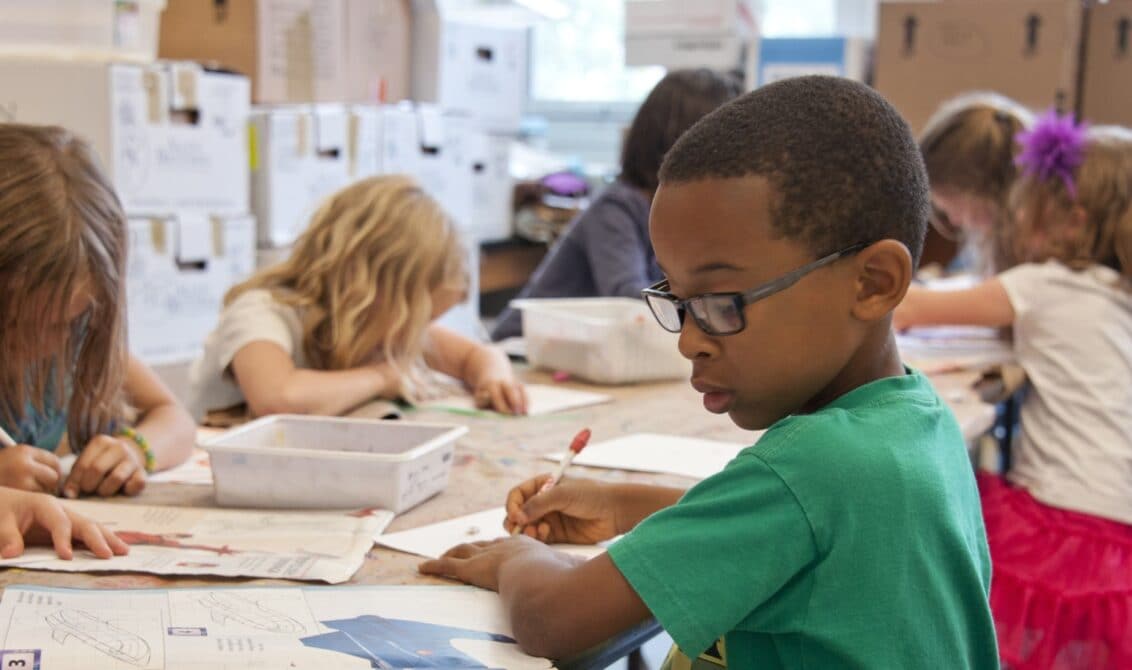
    When a three to five-year-old child steps into a Reception or Early Years class, it is often the first time they have experienced a dedicated learning environment. It’s a key moment: what children learn at this age and developmental stage can have a lasting impact on their success later on in school.

    Read more
  • Preparing international students for success at university

    by

    An academic qualification is only part of what is necessary for university study. To ensure students are fully prepared for the rigour and demands of degree study and equipped with all the skills needed for success at university, the ultimate aim of educators and parents is to develop ‘well-rounded students’, which of course, goes beyond the achievement of A and A* results.

    Read more
  • Should homework be banned? The big debate

    by

    Homework is a polarising topic. It can cause students to feel stressed or anxious. It adds extra pressure on teachers, who are often already struggling with their workloads. And, some parents resent the way homework can cut into family time at home.

    Read more
  • The transferable skills international students will need – and employers will love

    by

    International students need more than just ‘knowledge’ to be successful. It’s not enough to learn facts and methods. It’s also about knowing when to apply the knowledge and methods, about having the mental dexterity to deal with the unexpected, about being able to think through a problem. These things will be crucial in the exam. In other words, it’s about skills as well as knowledge.

    Read more
  • What might a revisioning of education look like?

    by

    As the world reopens, after a year of lockdowns and stay-at-home orders triggered by a pandemic of historic proportions, students are beginning to return to their schools, where they will once again be cloistered within four walls to resume their education. But whether we like it or not, the world has changed over the last year. As in nearly every realm, education must change with the world outside of the school walls if it is to remain relevant.

    Read more
  • Grammar: what, why and how?

    by

    In this article, Hannah Hirst-Dunton, author of our grammar and punctuation programme Building Blocks, shares the questions about grammar she’s most commonly asked!

    Read more
  • Supporting learners aged 3 to 5 – why Reception matters

    by

    Giving children a high quality Reception experience can have a positive impact on their future development and achievement. Extensive research shows that high quality early education plays a significant role in promoting children’s development, both cognitively and socially. Although this isn’t a useful measure for individuals, there is a correlation between achievement and learning outcomes at age 5 and later GCSE results – and by extension, later achievement as well. ​

    Read more