
Textbook Question
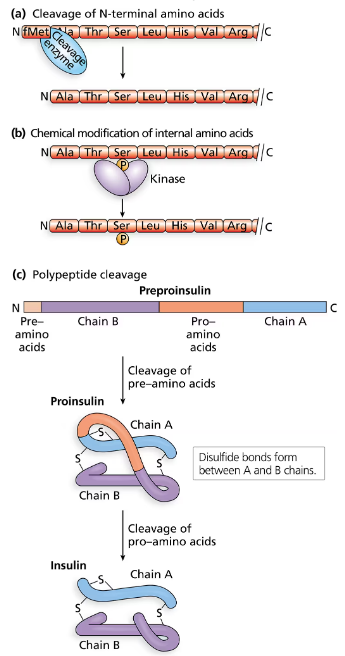
Explain why it is not feasible to insert the entire human insulin gene into E. coli and anticipate the production of insulin.
405
views

 Verified step by step guidance
 03:49
03:49
 03:51
03:51 10:14
10:14Explain why it is not feasible to insert the entire human insulin gene into E. coli and anticipate the production of insulin.
The following figure contains several examples of the Shine–Dalgarno sequence. Using the seven Shine–Dalgarno sequences from E. coli, determine the consensus sequence and describe its location relative to the start codon.
A DNA sequence encoding a five-amino acid polypeptide is given below.
...ACGGCAAGATCCCACCCTAATCAGACCGTACCATTCACCTCCT...
...TGCCGTTCTAGGGTGGGATTAGTCTGGCATGGTAAGTGGAGGA...
Give the sequence and polarity of the mRNA encoding the polypeptide.
A DNA sequence encoding a five-amino acid polypeptide is given below.
...ACGGCAAGATCCCACCCTAATCAGACCGTACCATTCACCTCCT...
...TGCCGTTCTAGGGTGGGATTAGTCTGGCATGGTAAGTGGAGGA...
Give the polypeptide sequence, and identify the N terminus and C terminus.
A DNA sequence encoding a five-amino acid polypeptide is given below.
...ACGGCAAGATCCCACCCTAATCAGACCGTACCATTCACCTCCT...
...TGCCGTTCTAGGGTGGGATTAGTCTGGCATGGTAAGTGGAGGA...
Locate the sequence encoding the five amino acids of the polypeptide, and identify the template and coding strands of DNA.
A research scientist is interested in producing human insulin in the bacterial species E. coli. Will the genetic code allow the production of human proteins from bacterial cells? Explain why or why not.