
Textbook Question
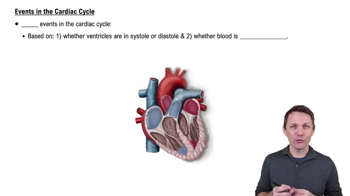
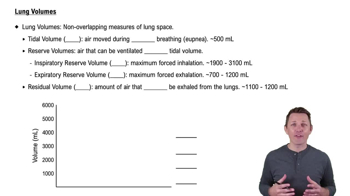
Define cardiac cycle, and follow the events of one cycle.
1254
views

 Verified step by step guidance
 9:44
9:44
 6:28
6:28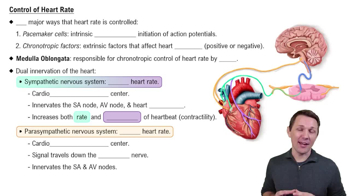 6:13
6:13Define cardiac cycle, and follow the events of one cycle.
The refractory period of cardiac muscle is much longer than that of skeletal muscle. Why is this a desirable functional property?
The activity of the heart depends on intrinsic properties of cardiac muscle and on neural factors. Thus:
a. Vagus nerve stimulation of the heart reduces heart rate
b. Sympathetic nerve stimulation of the heart decreases time available for ventricular filling
c. Sympathetic stimulation of the heart increases its force of contraction
d. All of the above
Describe the pericardium and distinguish between the fibrous and the serous pericardia relative to histological structure and location.
As Cara worked at her dissection, she became frustrated that several of the structures she had to learn about had more than one common name. Provide another name for each of these structures:
a. Atrioventricular groove
b. Tricuspid valve
c. Bicuspid valve (give two synonyms)
d. Atrioventricular bundle
Draw a normal ECG pattern. Label and explain the significance of its deflection waves.