Compare and contrast the genome, the proteome, and the transcriptome of an organism.
Verified step by step guidance
1
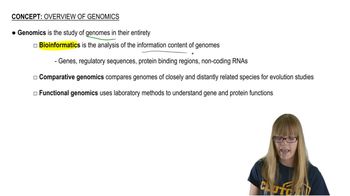
Step 1: Define the genome of an organism. The genome is the complete set of DNA, including all of its genes. It contains all the information needed to build and maintain that organism. In eukaryotes, the genome is organized into chromosomes.
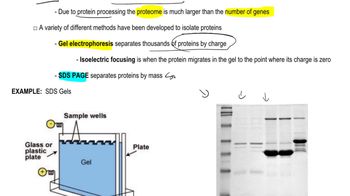
Step 2: Define the proteome of an organism. The proteome is the entire set of proteins that can be expressed by the genetic material of an organism. It varies with time and distinct requirements, or stresses, that a cell or organism undergoes.
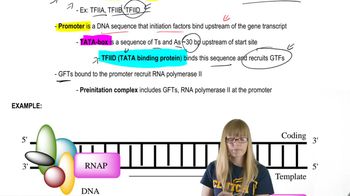
Step 3: Define the transcriptome of an organism. The transcriptome is the full range of messenger RNA (mRNA) molecules expressed by an organism. It reflects the genes that are actively being transcribed at any given time.
Step 4: Compare the genome, proteome, and transcriptome. The genome is static and remains constant in all cells of an organism, while the proteome and transcriptome are dynamic and can change in response to environmental conditions and developmental stages.
Step 5: Contrast the genome, proteome, and transcriptome. The genome serves as the blueprint for the organism, the transcriptome represents the actively transcribed genes, and the proteome represents the functional molecules that result from gene expression. Each provides different insights into the biology of the organism.
Verified video answer for a similar problem:
This video solution was recommended by our tutors as helpful for the problem above
Video duration:
2m
Play a video:
Was this helpful?
Key Concepts
Here are the essential concepts you must grasp in order to answer the question correctly.
Genome
The genome is the complete set of genetic material in an organism, encompassing all of its DNA, including genes and non-coding sequences. It serves as the blueprint for the organism's development, functioning, and reproduction. The genome is typically organized into chromosomes and varies in size and complexity across different species.
The proteome refers to the entire set of proteins expressed by a genome at a given time under specific conditions. It reflects the functional output of the genome, as proteins are responsible for carrying out most cellular processes. The proteome can vary between different cell types, developmental stages, and environmental conditions, making it dynamic and context-dependent.
The transcriptome is the collection of all RNA molecules transcribed from the genome, including messenger RNA (mRNA), non-coding RNA, and small RNA. It represents the genes that are actively expressed in a particular cell or tissue at a specific time. The transcriptome provides insights into gene regulation and cellular responses to environmental changes, serving as a bridge between the genome and the proteome.