Pearson+ LogoPearson+ Logo
Ch. 1 - The Molecular Basis of Heredity, Variation, and Evolution
Sanders - Genetic Analysis: An Integrated Approach 3rd Edition
Sanders3rd EditionGenetic Analysis: An Integrated ApproachISBN: 9780135564172Not the one you use?Change textbook
Chapter 1, Problem 31a

In certain cases, genetic testing can identify mutant alleles that greatly increase a person's chance of developing a disease such as breast cancer or colon cancer. Between 50 and 70% of people with these particular mutations will develop cancer, but the rest will not. Imagine you are either a 30-year-old woman with a family history of breast cancer or a 30-year-old man with a family history of colon cancer (choose one). Each person can undergo genetic testing to identify a mutation that greatly increases susceptibility to the disease. Putting yourself in the place of the person you have chosen, provide answers to the following questions.
If you have a spouse or partner, are you obligated to tell that person the result of the genetic test? Why or why not?

Verified step by step guidance
1
Consider the ethical implications of genetic testing and the responsibility to share potentially impactful health information with a spouse or partner.
Understand that genetic testing results can have implications not only for the individual but also for their family members, including the spouse or partner, as they may share responsibilities or decisions related to health and family planning.
Evaluate the importance of open communication in a relationship, particularly when the information could affect shared decisions, such as lifestyle changes, medical monitoring, or family planning.
Reflect on the principle of autonomy, which emphasizes the individual's right to privacy and control over their personal health information, balanced against the potential benefits of disclosure to the partner.
Conclude that while there may not be a legal obligation to disclose the results, there is a strong ethical argument for sharing the information to foster trust, mutual support, and informed decision-making within the relationship.

Verified video answer for a similar problem:

This video solution was recommended by our tutors as helpful for the problem above.
Video duration:
1m
Was this helpful?

Key Concepts

Here are the essential concepts you must grasp in order to answer the question correctly.

Genetic Testing

Genetic testing involves analyzing an individual's DNA to identify mutations or variations that may indicate a predisposition to certain diseases. This process can reveal the presence of mutant alleles associated with increased risks for conditions like breast or colon cancer. Understanding the implications of these results is crucial, as they can influence personal health decisions and family planning.
Recommended video:
Guided course
11:35
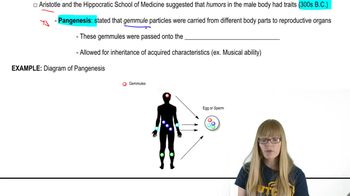
History of Genetics

Informed Consent and Disclosure

Informed consent is the process by which individuals are educated about the risks, benefits, and implications of genetic testing before undergoing the procedure. When it comes to disclosing test results, ethical considerations arise, particularly regarding the obligation to inform partners about potential hereditary risks. This concept emphasizes the importance of communication in relationships, especially when health risks may affect both partners.
Recommended video:
Guided course
02:48
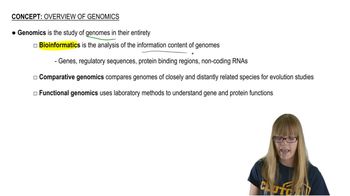
Genomics Overview

Genetic Predisposition vs. Actual Risk

Genetic predisposition refers to an increased likelihood of developing a disease based on genetic factors, but it does not guarantee that the disease will occur. For instance, even with a mutation that raises cancer risk by 50-70%, many individuals may never develop the disease. Understanding this distinction is vital for making informed decisions about health management and discussing risks with partners.
Recommended video:
Guided course
03:45
Descriptive Genetics
Related Practice
Textbook Question

Ethical and social issues have become a large part of the public discussion of genetics and genetic testing. Choose two of the propositions presented here and prepare a list of arguments for and against them.

Prenatal genetic testing and genetic testing of newborn infants should be available for hereditary conditions that can be treated or managed.

521
views
Textbook Question

Ethical and social issues have become a large part of the public discussion of genetics and genetic testing. Choose two of the propositions presented here and prepare a list of arguments for and against them.

Prenatal genetic testing and genetic testing later in life should be available for hereditary conditions that cannot currently be treated or effectively managed.

540
views
Textbook Question

Ethical and social issues have become a large part of the public discussion of genetics and genetic testing. Choose two of the propositions presented here and prepare a list of arguments for and against them.


Gene therapy should be used on humans when it can correct a hereditary condition such as sickle cell disease.

688
views
Textbook Question

In certain cases, genetic testing can identify mutant alleles that greatly increase a person's chance of developing a disease such as breast cancer or colon cancer. Between 50 and 70% of people with these particular mutations will develop cancer, but the rest will not. Imagine you are either a 30-year-old woman with a family history of breast cancer or a 30-year-old man with a family history of colon cancer (choose one). Each person can undergo genetic testing to identify a mutation that greatly increases susceptibility to the disease. Putting yourself in the place of the person you have chosen, provide answers to the following questions.

If you have children, are you obligated to tell the children the result of the genetic test? Why or why not?

518
views
Textbook Question

In certain cases, genetic testing can identify mutant alleles that greatly increase a person's chance of developing a disease such as breast cancer or colon cancer. Between 50 and 70% of people with these particular mutations will develop cancer, but the rest will not. Imagine you are either a 30-year-old woman with a family history of breast cancer or a 30-year-old man with a family history of colon cancer (choose one). Each person can undergo genetic testing to identify a mutation that greatly increases susceptibility to the disease. Putting yourself in the place of the person you have chosen, provide answers to the following questions.

If you were the spouse or partner of the person you have selected, would you encourage or would you discourage the person from having the genetic test? Why?

529
views
Textbook Question

In certain cases, genetic testing can identify mutant alleles that greatly increase a person's chance of developing a disease such as breast cancer or colon cancer. Between 50 and 70% of people with these particular mutations will develop cancer, but the rest will not. Imagine you are either a 30-year-old woman with a family history of breast cancer or a 30-year-old man with a family history of colon cancer (choose one). Each person can undergo genetic testing to identify a mutation that greatly increases susceptibility to the disease. Putting yourself in the place of the person you have chosen, provide answers to the following questions.

If this person that you have selected were you, do you think you would have the genetic test or not? Can you explain the reasons for your answer?

539
views