
• The role of the story in teaching primary maths

    by

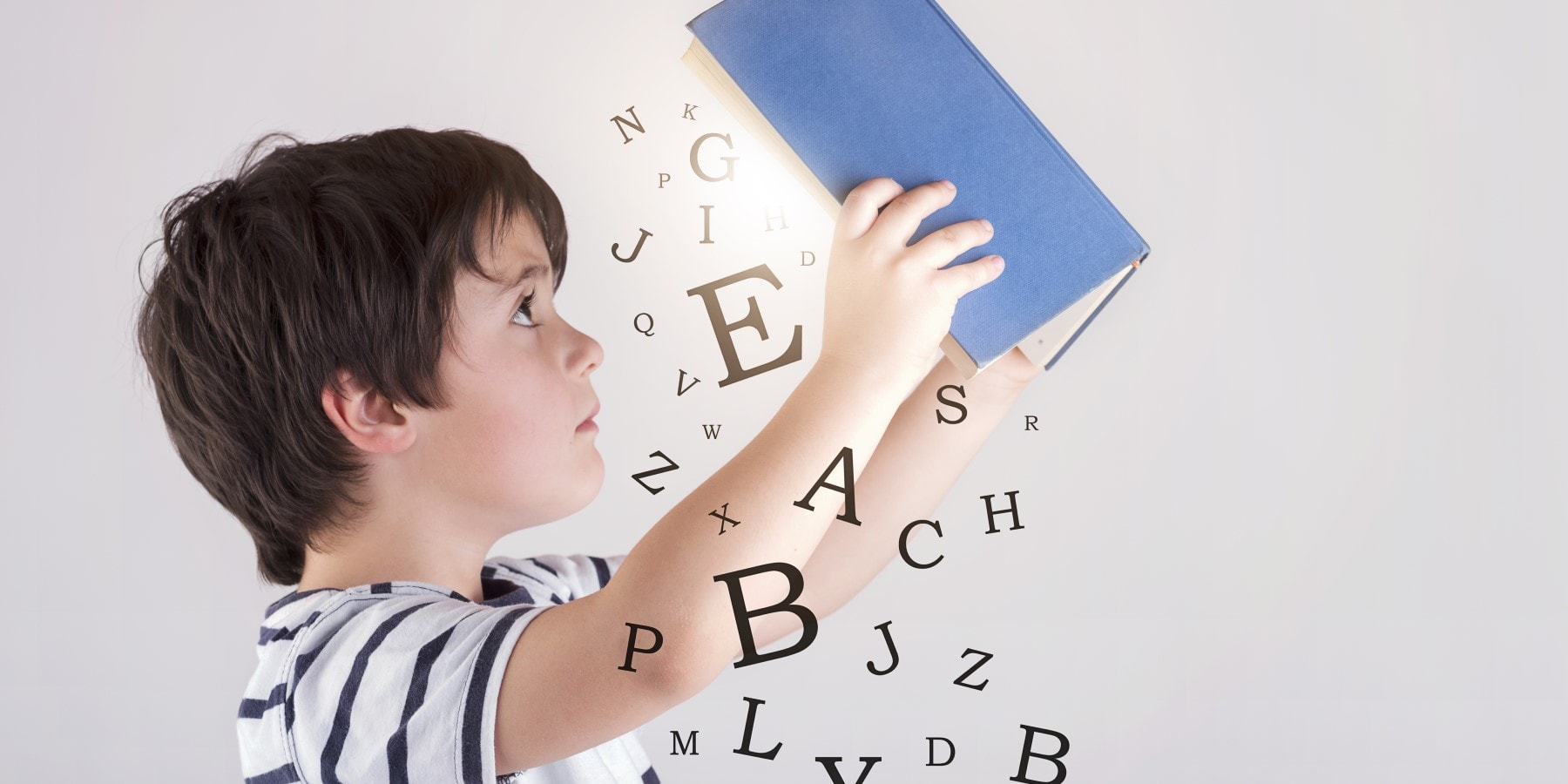
    Josh Lury, Power Maths author, explores how storytelling plays a vital role in teaching maths.

    One of my favourite times of the school day is reading the class story before home time – the children sit in rapt attention, rising and falling with the fortunes of their favourite characters. I’ve always been interested in the thinking skills that underpin all learning. The powerful magic of storytelling can play a deep role in maths teaching, too.

    Read more
  • Personalised learning: another teaching buzzword or the future of education?

    by

    Every classroom is different, but one thing that they all have in common is the variety of skills, interests and abilities in each group of students. Some learners are naturally academic, and excel at retaining and reproducing information. Others struggle in a traditional classroom environment. In these mixed-ability classes, it can be a challenge for the teacher to adapt their lessons in order to make sure that every student has adequate time and input in order to achieve their potential. Personalisation offers a solution to this problem.

    Read more
  • Starting the conversation: feminism in the classroom

    by

    Is there a place for feminism in the classroom? It’s often mis-defined as a desire for women to be viewed as superior to men, when in reality, it’s a call for gender equality and freedom from repression. Put like that, it’s not so much to ask really, is it? As such, it’s vitally important that we’re instilling these values in young people, values that they’ll take with them into their adult lives – into the workplace, and society as a whole – so that they, in turn, will educate the generation that succeeds them.

    Read more
  • How gamification is changing classrooms and engaging students

    by

    Decades ago, play was something that happened in the school playground during break time. The classroom was emphatically not a place where pupils expected to play games or have fun. Teaching techniques were firmly teacher-centred, focusing on direct instruction. Teachers were the all-knowing source of information and gave lectures or presented information to a class of passive students. Drilling, where students repeat what the teacher says verbatim, and rote learning (memorisation) were key teaching techniques.

    Read more
  • Utilising Extended Projects to release the power of deeper learning

    by

    In my previous blog post, I explored the challenge of starting students on a journey that leads to deeper, more independent learning by means of open-ended questions. The point is a simple one: if we are going to equip students to be confident, independent thinkers, we are going to have to acclimatise them to the realm of open, challenging, controversial and ambiguous questions – the very questions that tend not to be asked in written examinations, which, as a rule, tend to favour responses that can be learned and matched to a mark scheme.

    Read more
  • Open learning for the future

    by

    The lesson starts with a slide showing names of cities from around the world. ‘Which of these are capital cities?’ the teacher asks. Hands shoot up, answers are called out, and a list of capital cities emerges. Once the right answers have been found, the class moves on to a different task.

    Read more