Pearson+ LogoPearson+ Logo
Ch. 15 - Is the Human Population Too Large?
Belk, Maier - Biology: Science for Life 6th Edition
Belk, Maier6th EditionBiology: Science for LifeISBN: 9780135214084Not the one you use?Change textbook
Chapter 15, Problem 10

Demographic momentum refers to the tendency for
a. Low population growth rates to continue to decline
b. High population growth rates to continue to increase
c. Populations to continue to grow in number even when growth rates reach zero
d. Populations to continue to grow in number even when women are reducing the number of children they bear
e. Women to continue to have children even though they no longer wish to

Verified step by step guidance
1
Step 1: Understand the concept of demographic momentum. Demographic momentum refers to the continued population growth that occurs even after fertility rates decline to replacement level (approximately 2.1 children per woman). This happens because of the age structure of the population, where a large proportion of the population is in their childbearing years.
Step 2: Analyze the options provided in the question. Each option describes a different scenario related to population growth or fertility rates. Carefully evaluate which option aligns with the definition of demographic momentum.
Step 3: Eliminate options that do not match the concept. For example, options related to declining growth rates (a) or women continuing to have children against their wishes (e) are not relevant to demographic momentum.
Step 4: Focus on the key aspect of demographic momentum: population growth continues even when fertility rates decline. This is due to the existing young population entering reproductive age, which sustains growth temporarily.
Step 5: Identify the correct option that matches the definition. The correct answer should reflect the idea that population growth persists despite reductions in fertility rates, as described in the concept of demographic momentum.

Verified video answer for a similar problem:

This video solution was recommended by our tutors as helpful for the problem above.
Video duration:
3m
Was this helpful?

Key Concepts

Here are the essential concepts you must grasp in order to answer the question correctly.

Demographic Momentum

Demographic momentum is the phenomenon where a population continues to grow despite a decline in birth rates. This occurs because of a large proportion of individuals in reproductive age, which leads to a sustained number of births even when the average number of children per woman decreases. It highlights the lag between changes in fertility rates and the actual growth of the population.
Recommended video:
Guided course
00:43
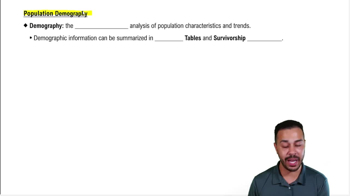
Population Demography

Population Growth Rates

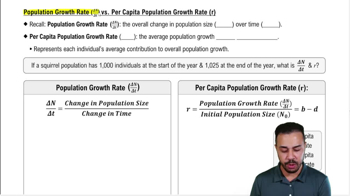
Population growth rates refer to the rate at which the number of individuals in a population increases or decreases over a specific period. This rate is influenced by factors such as birth rates, death rates, immigration, and emigration. Understanding these rates is crucial for analyzing demographic trends and predicting future population changes.
Recommended video:
Guided course
03:26
Population Growth Rate vs. Per Capita Population Growth Rate

Fertility Transition

Fertility transition is the shift from high birth and death rates to lower birth and death rates as a country develops. This transition often leads to a decrease in the total fertility rate, but due to demographic momentum, the population may continue to grow for some time. It reflects changes in societal norms, economic conditions, and access to family planning.
Recommended video:
Guided course
01:59
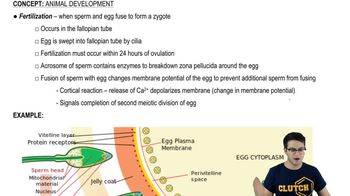
Fertilization