Pearson+ LogoPearson+ Logo
Ch. 14 - Analysis of Gene Function via Forward Genetics and Reverse Genetics
Sanders - Genetic Analysis: An Integrated Approach 3rd Edition
Sanders3rd EditionGenetic Analysis: An Integrated ApproachISBN: 9780135564172Not the one you use?Change textbook
Chapter 14, Problem 11

You have identified a gene encoding the protein involved in the rate-limiting step in vitamin E biosynthesis. How would you create a transgenic plant producing large quantities of vitamin E in its seeds?

Verified step by step guidance
1
Identify the gene responsible for the rate-limiting step in vitamin E biosynthesis. This involves isolating the gene sequence and confirming its role through functional studies, such as gene knockout or overexpression experiments.
Clone the identified gene into a suitable plant expression vector. Ensure the vector contains a strong seed-specific promoter to drive high expression of the gene in the seeds. Additionally, include a selectable marker gene for identifying transformed plants.
Introduce the recombinant vector into the plant genome using a transformation method such as Agrobacterium-mediated transformation or biolistic (gene gun) transformation. Select the transformed plants using the selectable marker.
Screen the transgenic plants for successful integration and expression of the gene. Use molecular techniques such as PCR to confirm gene integration and RT-PCR or qPCR to measure gene expression levels in the seeds.
Analyze the vitamin E content in the seeds of the transgenic plants using biochemical assays such as high-performance liquid chromatography (HPLC). Select the plants with the highest vitamin E production for further propagation and study.

Verified video answer for a similar problem:

This video solution was recommended by our tutors as helpful for the problem above.
Video duration:
2m
Was this helpful?

Key Concepts

Here are the essential concepts you must grasp in order to answer the question correctly.

Transgenic Plants

Transgenic plants are genetically modified organisms that have had foreign genes inserted into their genome. This process typically involves techniques such as Agrobacterium-mediated transformation or biolistic methods. By introducing specific genes, such as those involved in vitamin E biosynthesis, researchers can enhance the plant's ability to produce desired compounds, like increased levels of vitamin E in seeds.
Recommended video:
Guided course
02:56
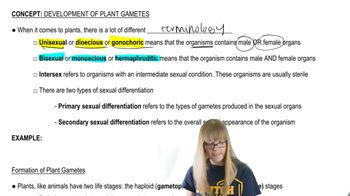
Plant Gamete Terminology

Gene Expression Regulation

Gene expression regulation refers to the mechanisms that control the timing and amount of gene product produced in a cell. In the context of creating a transgenic plant, it is crucial to ensure that the introduced gene is expressed at the right levels and in the appropriate tissues, such as seeds. This can involve using specific promoters that drive expression in seed tissues to maximize vitamin E production.
Recommended video:
Guided course
02:09
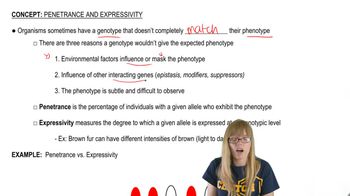
Penetrance and Expressivity

Metabolic Pathways

Metabolic pathways are series of chemical reactions occurring within a cell that lead to the synthesis or breakdown of substances. Understanding the metabolic pathway for vitamin E biosynthesis is essential for identifying the rate-limiting steps and potential targets for genetic modification. By manipulating these pathways, scientists can enhance the accumulation of vitamin E in the seeds of transgenic plants.
Recommended video:
Guided course
05:44
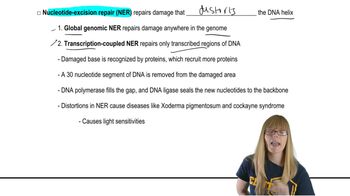
Repair Pathways