Pearson+ LogoPearson+ Logo
Ch.16 Amino Acids, Proteins, and Enzymes
Timberlake - Chemistry: An Introduction to General, Organic, and Biological Chemistry 13th Edition
Timberlake13th EditionChemistry: An Introduction to General, Organic, and Biological ChemistryISBN: 9780134421353Not the one you use?Change textbook
Chapter 16, Problem 41

A patient arrives in an emergency department complaining of chest pains. What enzymes would you test for in the blood serum?

Verified step by step guidance
1
Understand the context: Chest pain can be a symptom of a heart attack (myocardial infarction). During a heart attack, heart muscle cells are damaged, releasing specific enzymes and proteins into the bloodstream. Testing for these markers helps confirm the diagnosis.
Identify the key enzymes and proteins: The most commonly tested markers in blood serum for heart damage include troponins (Troponin I and Troponin T), creatine kinase-MB (CK-MB), and myoglobin. Troponins are the most specific and sensitive markers for heart muscle damage.
Explain the role of troponins: Troponins are regulatory proteins involved in muscle contraction. When heart muscle cells are damaged, troponins are released into the bloodstream. Elevated levels of troponins are a strong indicator of myocardial infarction.
Discuss creatine kinase-MB (CK-MB): CK-MB is an isoenzyme of creatine kinase found primarily in heart muscle. Its levels rise in the blood after heart muscle damage, but it is less specific than troponins because CK-MB can also be elevated in other conditions.
Mention myoglobin: Myoglobin is a protein that stores oxygen in muscle cells. It is released into the blood quickly after muscle injury, including heart muscle damage. However, it is not as specific as troponins and is often used in conjunction with other tests.

Verified video answer for a similar problem:

This video solution was recommended by our tutors as helpful for the problem above.
Video duration:
2m
Was this helpful?

Key Concepts

Here are the essential concepts you must grasp in order to answer the question correctly.

Cardiac Enzymes

Cardiac enzymes are proteins released into the bloodstream when the heart muscle is damaged. The most commonly tested enzymes include troponin, creatine kinase (CK), and myoglobin. Elevated levels of these enzymes can indicate myocardial infarction (heart attack) or other cardiac conditions, making them crucial for diagnosis in emergency settings.
Recommended video:
Guided course
2:14
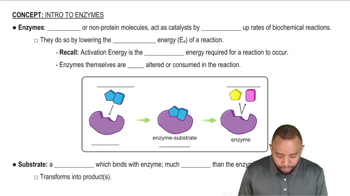
Intro to Enzymes Concept 1

Troponin Testing

Troponin is a specific protein found in cardiac muscle that is released into the bloodstream when there is damage to the heart. It is considered the most sensitive and specific marker for myocardial injury. Testing for troponin levels helps clinicians assess the severity of heart damage and guide treatment decisions.
Recommended video:
Guided course
14:42
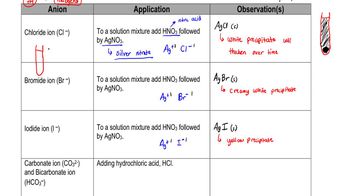
Test for Anions

Creatine Kinase (CK) and CK-MB

Creatine kinase (CK) is an enzyme found in various tissues, including the heart, brain, and skeletal muscle. The CK-MB isoenzyme is specific to cardiac tissue and is used to diagnose heart attacks. While CK levels can rise due to muscle injury, CK-MB is more indicative of cardiac events, making it a valuable tool in emergency assessments.
Recommended video:
Guided course
1:26
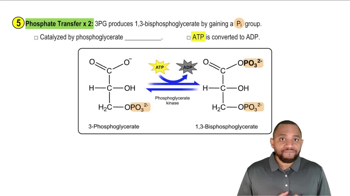
Gluconeogenesis Concept 6