
Pearson+ LogoPearson+ Logo
Ch. 18 - Regulation of Gene Expression
Campbell - Campbell Biology 11th Edition
Urry11th EditionCampbell BiologyISBN: 9789357423311Not the one you use?Change textbook
Chapter 18, Problem 9

Within a cell, the amount of protein made using a given mRNA molecule depends partly on
a. The degree of DNA methylation
b. The rate at which the mRNA is degraded
c. The number of introns present in the mRNA
d. The types of ribosomes present in the cytoplasm

Verified step by step guidance
1
Understand that mRNA molecules are templates for protein synthesis during translation. The amount of protein produced is influenced by several factors related to mRNA stability and translation efficiency.
Consider the role of mRNA degradation: The rate at which mRNA is degraded affects how long it is available for translation. Faster degradation means less time for ribosomes to synthesize proteins, resulting in less protein production.
Evaluate the impact of DNA methylation: While DNA methylation affects gene expression at the transcriptional level, it does not directly influence the amount of protein made from mRNA. Therefore, it is less relevant to this specific question.
Analyze the presence of introns: Introns are non-coding regions removed during mRNA processing. The number of introns does not directly affect the amount of protein produced from mature mRNA, as they are not present in the final mRNA used for translation.
Consider the types of ribosomes: Different types of ribosomes can affect translation efficiency, but the primary factor in this context is the rate of mRNA degradation, which directly influences protein production.

Verified video answer for a similar problem:

This video solution was recommended by our tutors as helpful for the problem above.
Video duration:
1m
Was this helpful?

Key Concepts

Here are the essential concepts you must grasp in order to answer the question correctly.

mRNA Degradation

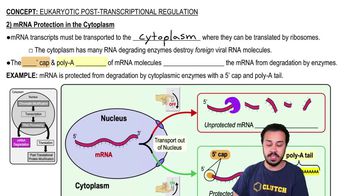
mRNA degradation is a crucial process that determines the lifespan of mRNA molecules in the cytoplasm, affecting the amount of protein synthesized. The rate at which mRNA is degraded influences how long it can be translated by ribosomes, thus impacting protein production levels. Regulatory mechanisms, such as RNA-binding proteins and microRNAs, play significant roles in controlling mRNA stability.
Recommended video:
Guided course
04:08
2) mRNA Protection in the Cytoplasm

DNA Methylation

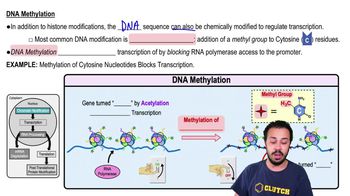
DNA methylation involves the addition of methyl groups to DNA, typically at cytosine bases, affecting gene expression. While it primarily regulates transcription, its indirect effects can influence mRNA levels available for translation. High methylation can lead to gene silencing, reducing mRNA synthesis and subsequently affecting protein production.
Recommended video:
Guided course
03:39
DNA Methylation

Ribosome Types

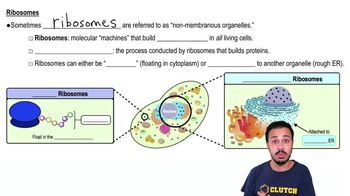
Ribosomes are the cellular machinery responsible for translating mRNA into proteins. Different types of ribosomes, such as free ribosomes and those bound to the endoplasmic reticulum, can affect protein synthesis. The presence and availability of specific ribosome types in the cytoplasm can influence the efficiency and location of protein production within the cell.
Recommended video: