Pearson+ LogoPearson+ Logo
Ch. 1 - Introduction to Genetics
Klug - Concepts of Genetics  12th Edition
Klug12th EditionConcepts of Genetics ISBN: 9780135564776Not the one you use?Change textbook
Chapter 1, Problem 17

The Age of Genetics was created by remarkable advances in the use of biotechnology to manipulate plant and animal genomes. Given that the world population reached 7.5 billion people in 2017 and is expected to reach 9.7 billion in 2050, some scientists have proposed that only the worldwide introduction of genetically modified (GM) foods will increase crop yields enough to meet future nutritional demands. Pest resistance, herbicide, cold, drought, and salinity tolerance, along with increased nutrition, are seen as positive attributes of GM foods. However, others caution that unintended harm to other organisms, reduced effectiveness to pesticides, gene transfer to nontarget species, allergenicity, and as yet unknown effects on human health are potential concerns regarding GM foods. If you were in a position to control the introduction of a GM primary food product (rice, for example), what criteria would you establish before allowing such introduction?

Verified step by step guidance
1
Define the primary goals for introducing the genetically modified (GM) food product, such as increasing crop yield, improving nutritional content, or enhancing resistance to environmental stressors.
Evaluate the potential benefits of the GM food product, including its ability to address specific challenges like pest resistance, drought tolerance, or salinity tolerance, and how these align with the goals established in step 1.
Assess the potential risks associated with the GM food product, such as unintended harm to non-target organisms, gene transfer to wild species, allergenicity, or long-term effects on human health, and determine how these risks can be mitigated.
Establish rigorous testing protocols to evaluate the safety and efficacy of the GM food product, including laboratory studies, field trials, and long-term health impact assessments, ensuring compliance with international regulatory standards.
Develop criteria for ethical and equitable distribution of the GM food product, ensuring that it is accessible to populations in need while addressing concerns about environmental sustainability and socio-economic impacts.

Verified video answer for a similar problem:

This video solution was recommended by our tutors as helpful for the problem above.
Video duration:
2m
Was this helpful?

Key Concepts

Here are the essential concepts you must grasp in order to answer the question correctly.

Genetic Modification

Genetic modification involves altering the genetic material of an organism to achieve desired traits, such as increased yield or pest resistance. This is typically done using biotechnological techniques like CRISPR or transgenic methods, where genes from one species are inserted into another. Understanding the mechanisms and implications of genetic modification is crucial for evaluating the benefits and risks associated with GM foods.
Recommended video:
Guided course
04:30
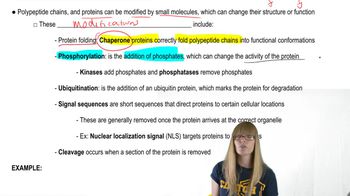
Post Translational Modifications

Ecological Impact

The ecological impact of GM foods refers to the potential effects that genetically modified organisms may have on ecosystems, including non-target species and biodiversity. Concerns include the possibility of gene transfer to wild relatives, which could disrupt local ecosystems, and the unintended consequences of reduced pest populations on food webs. Assessing ecological impact is essential for ensuring that GM foods do not harm the environment.
Recommended video:
Guided course
04:15
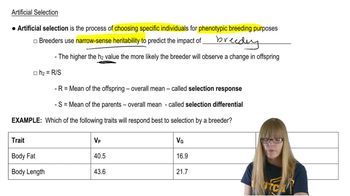
Artificial Selection

Human Health Concerns

Human health concerns related to GM foods encompass potential allergic reactions, long-term health effects, and nutritional changes that may arise from consuming genetically modified products. While many studies suggest GM foods are safe, ongoing research is necessary to monitor any unforeseen health issues. Establishing rigorous safety assessments is vital before introducing GM foods to ensure public health is protected.
Recommended video:
Guided course
06:51
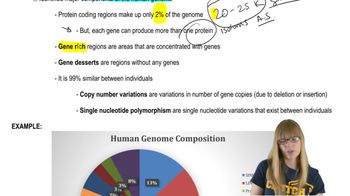
Human Genome Composition